Vietnam’s Coffee Industry: From Robusta Giant to Specialty Future?
When you sip a Vietnamese iced coffee, thick with sweetened condensed milk, you’re tasting Robusta — not the Ethiopian-origin Arabica most specialty drinkers seek. But why does Vietnam, a country not traditionally associated with fine coffee, rank among the world’s top coffee producers? The answer lies in colonial roots, post-war economics, and a relentless focus on volume.
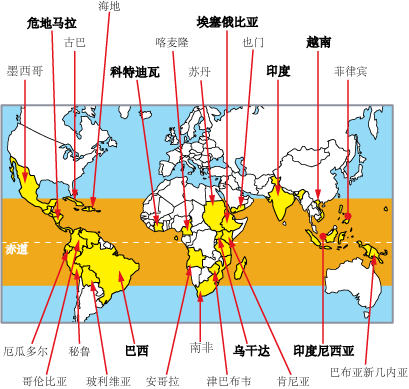
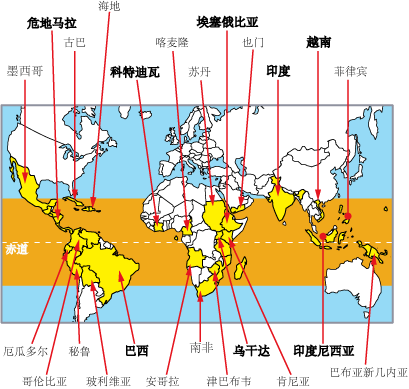
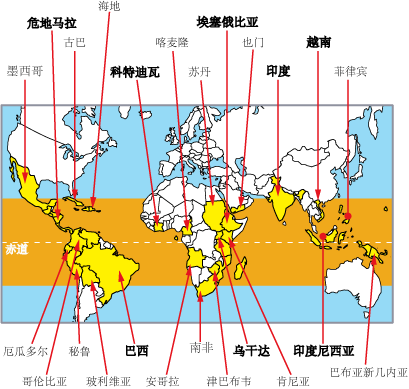
Vietnam is currently the world’s second-largest coffee producer by volume, having surpassed Colombia but still trailing Brazil. Over 96% of its output is Robusta, not the more prized Arabica. While Arabica was first introduced by French missionaries in the 19th century, today’s massive industry is overwhelmingly driven by the hardier, bitter, and higher-yielding Robusta bean.
The Origins of Coffee in Vietnam
Coffee arrived in Vietnam through French colonial influence in the mid-19th century. Between 1865 and 1876, over 400,000 coffee trees—mostly Java and Bourbon varieties, both Arabica—were planted near the Tonkin Gulf. These early plantings laid the groundwork, but it wasn’t until the 20th century that coffee became a major national crop.
The Robusta Boom: Production and Export Growth
By 1980, Vietnam exported just 66,000 60kg bags of coffee. By 1994, that number had exploded to over 200,000 tonnes—almost entirely Robusta. This phenomenal growth was fueled by smallholder farms, which still produce 96% of the country’s Robusta, though some state-owned farms also contribute. Today, coffee is Vietnam’s second-largest export after tea.
High Yields and Foreign Investment
Vietnamese coffee farms achieve astonishing productivity, with average yields reaching up to 950 kilograms per hectare. Much of this expansion has been backed by Japanese investment, particularly in newer plantings. This focus on efficiency and scale has made Vietnam a coffee powerhouse—but not necessarily a specialty one.
Where Vietnam Stands Globally
Two years ago, reports indicated Vietnam had overtaken Colombia in total coffee output, placing it firmly as the world’s second-largest producer. However, this ranking reflects Robusta output, not quality. In terms of cup quality and global specialty market presence, Vietnam still lags behind both Colombia and Brazil, where Arabica dominates.
Why Vietnam Focuses on Robusta
Robusta thrives in Vietnam’s climate and terrain, especially in the Central Highlands. It’s more disease-resistant, yields more fruit per tree, and is better suited to the smallholder farming model that dominates the sector. While Arabica was Vietnam’s original coffee crop, introduced by French missionaries, Robusta became the economic backbone due to its reliability and high volume potential.
What This Means for Coffee Drinkers
If you’ve tried mass-market instant coffee or a traditional Vietnamese cà phê sữa đá, you’ve likely experienced the bold, bitter, and often harsh profile of Robusta. It’s not typically used in pour-over or espresso without blending. However, some roasters are beginning to explore Vietnam’s Robusta for unique profiles, especially in espresso blends where its strong crema and body can shine.
Frequently Asked Questions
Is Vietnam known for growing Arabica or Robusta coffee?
Vietnam primarily grows Robusta coffee, which makes up about 96% of its total production. Arabica was introduced in the 19th century by French missionaries, but it now represents a very small portion of the country’s output.
How much coffee does Vietnam produce compared to other countries?
Vietnam is the world’s second-largest coffee producer by volume, having recently surpassed Colombia. However, it still trails Brazil, which remains the global leader. Most of Vietnam’s production consists of Robusta beans.
What’s the average coffee yield per hectare in Vietnam?
Vietnamese coffee farms achieve an average yield of up to 950 kilograms per hectare, one of the highest in the world. This high productivity is supported by factors like Japanese investment and a focus on Robusta cultivation.
Did France introduce coffee to Vietnam?
Yes, French missionaries first brought coffee to Vietnam in the 19th century. Between 1865 and 1876, over 400,000 coffee trees—mainly Arabica varieties like Java and Bourbon—were planted near the Tonkin Gulf.
Why does Vietnam grow mostly Robusta instead of Arabica?
Robusta is more resilient, yields higher volumes, and is better suited to Vietnam’s climate and smallholder farming model. These practical advantages have made Robusta the dominant crop, despite Arabica’s earlier introduction.
Does Vietnam export more coffee than tea?
No, Vietnam’s top agricultural export is tea, followed by coffee. However, coffee is a major export commodity and plays a critical role in the country’s agricultural economy.
Recommended FrontStreet Coffee for Vietnamese Robusta Context
While Vietnam is best known for Robusta, FrontStreet Coffee offers beans that help contextualize its place in the global market. Try the FrontStreet Commercial Blend, which includes balanced contributions from Asia-Pacific origins and highlights how blends incorporate high-yield beans. For contrast, the FrontStreet Yirgacheffe offers bright, floral Ethiopian Arabica—a world away from Vietnam’s bold Robusta. Finally, the FrontStreet Black Cocoa Blend brings roast depth reminiscent of traditional Vietnamese coffee preparations. These selections let you explore how different origins and roast styles frame the coffee experience. Freshly roasted within 5 days · Orders placed before 17:00 ship the same day · Next-day delivery across most of Guangdong Province.
FrontStreet Coffee is a long-established specialty coffee roaster in Guangzhou China, selling freshly roasted beans from its own farm in Yunnan as well as dozens of carefully selected single-origin beans from around the world for both pour-over and espresso. The products deliver consistently excellent quality and great value, with shipping within 24 hours. Guangzhou's FrontStreet Coffee shop is recommended by many coffee lovers, and the beans are now available online at the Tmall 。
Important Notice :
前街咖啡 FrontStreet Coffee has moved to new addredd:
FrontStreet Coffee Address: 315,Donghua East Road,GuangZhou
Tel:020 38364473