Papua New Guinea Sigri Estate Coffee: The Real Story Behind 'Bird of Paradise'
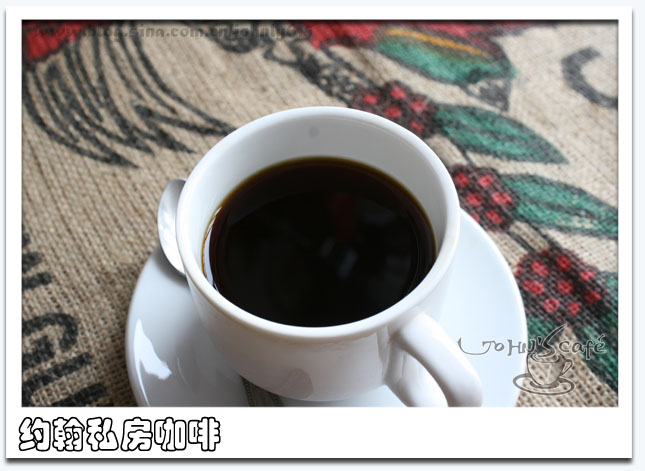
Ever wondered why some specialty coffees get stuck with weird nicknames? Take the so-called 'Bird of Paradise' coffee from Papua New Guinea. It turns out the name didn’t come from some marketing genius or poetic branding session—it came from the beautiful national bird printed on the sack when the beans first arrived in China. That’s it. But the story behind the actual coffee is far more interesting.
If you're looking for the real origin, skip the nickname. This coffee comes from the Sigri Estate in Papua New Guinea—a region known for its strict processing standards, cool highland climate, and striking natural beauty. That’s the source of the cup’s clarity and elegance, not a sack illustration.
What Is Sigri Estate Coffee, Really?
Sigri Estate is one of Papua New Guinea’s well-regarded coffee-growing regions. Despite the lingering nickname 'Bird of Paradise,' the coffee’s reputation stands on its own. The estate is located in a region that, while often confused with other PNG origins, has built a solid reputation internationally once you know the actual farm name. Saying 'Sigri' earns recognition; 'Bird of Paradise' just causes confusion—there’s another PNG coffee also bagged with a bird design, but it’s from a different farm altogether, known properly as Prosa.
Why the Confusion with 'Bird of Paradise'?
The nickname 'Bird of Paradise' originated purely because the first bags of Sigri coffee imported into China featured an eye-catching image of Papua New Guinea’s national bird—the Bird of Paradise—on the sack. The name stuck, even though it’s not the official or even geographical name of the coffee. Later, another PNG coffee arrived with a similar bird design, but by then the catchy name had already been claimed. That second coffee is properly known as Prosa, after the farm it comes from.
Growing and Processing: Why Sigri Tastes the Way It Does
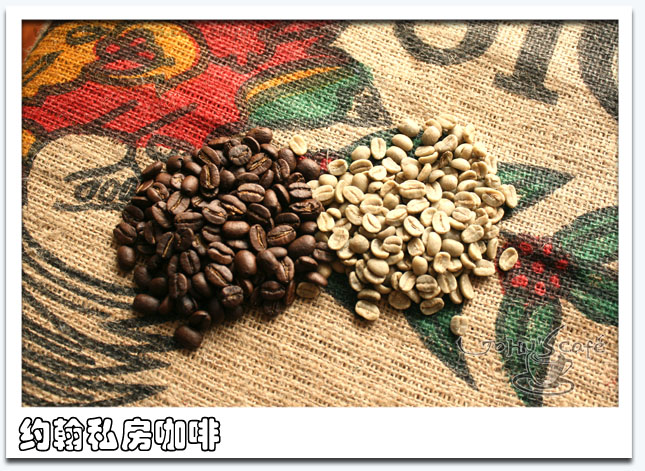
Sigri Estate coffee thrives in PNG’s island climate—hot year-round, humid, with high altitudes ranging between 1,200 and 2,500 meters. The estate grows coffee at elevation under organic practices and shade. Most of the coffee is the Typica variety, originally brought from Jamaica’s Blue Mountains, and well-suited to the terroir. The region’s high altitudes, volcanic soils, and traditional farming practices contribute to a cup that trends brighter and fruitier than typical Indonesian coffees.
The coffee is processed using a traditional washed method. Ripe cherries are handpicked, sorted, and processed the same day. They undergo water-only fermentation in clean, natural spring water, then are dried on patios before being hulled and graded. This careful processing highlights the coffee’s inherent clarity and cleanliness.
What Does It Taste Like? (Even Before Peak Freshness)
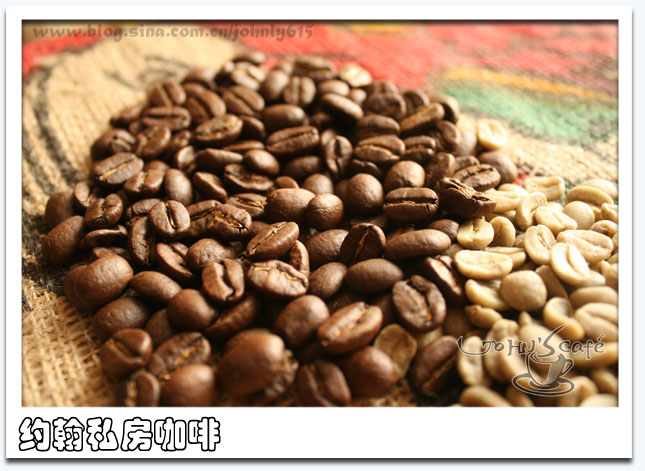
Even tasting it just one day off roast—before full degassing—the FrontStreet Coffee team noted bright characteristics. The cup is clean and crisp, not heavy or earthy like some Indonesian Mandheling coffees. There’s no low, muddy tone. Instead, it’s light on the palate, with a sweet, uplifting profile. Notes include baked bread sweetness, nuttiness, and a spicy finish. The mouthfeel is smooth and gentle, transitioning from mild bitterness into a sweet, lingering aftertaste. It’s the kind of cup that invites slow sipping on a quiet afternoon.
Papua New Guinea Coffee Growing at a Glance
- Region: Mainly on the eastern half of New Guinea Island (PNG side)
- Altitude: 1,200–2,500 meters
- Climate: Tropical, hot, humid, with high annual rainfall
- Processing: Predominantly washed (wet) method
- Varieties: Mostly Typica, originally from Jamaica Blue Mountain
- Flavor Profile: Bright acidity, fruity and floral notes, often with nutty and caramel undertones
Frequently Asked Questions
Why is this coffee called 'Bird of Paradise' if that’s not its real name?
The name comes from the image of Papua New Guinea’s national bird printed on the sacks when the coffee was first imported into China. It stuck as a nickname, even though the coffee’s official origin is Sigri Estate. Another PNG coffee with a similar bird design on its sacks is actually named Prosa, after its farm.
Where is Sigri Estate located?
Sigri Estate is in Papua New Guinea, a region known for high-altitude coffee farming between 1,200 and 2,500 meters. The estate uses traditional processing methods and grows mostly Typica variety coffee, introduced from Jamaica’s Blue Mountains.
How is Sigri coffee processed?
Sigri coffee is processed using the washed method. Ripe cherries are hand-sorted and processed the same day, fermented in clean water, then dried on patios. This method highlights a clean, bright cup with good clarity and balanced sweetness.
What does Sigri coffee taste like?
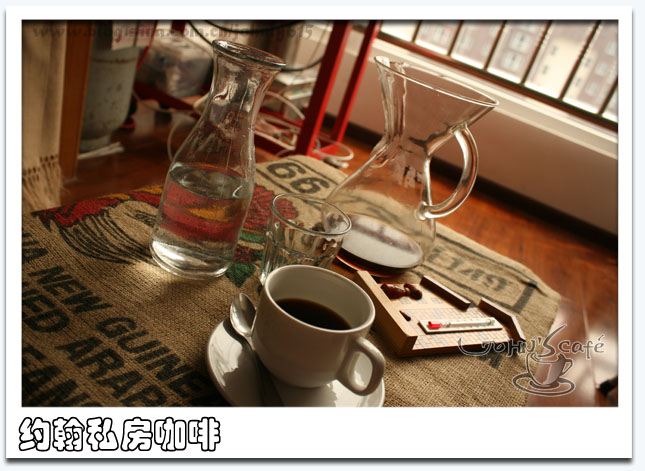
Even slightly off-roast, Sigri coffee shows a clean, bright profile. Tasters note flavors of baked bread, nuts, and a mild spice finish. The cup is smooth, not heavy or earthy, with a sweet transition and soft mouthfeel.
Is Sigri coffee the same as the one called Prosa?
No. Prosa is a different coffee from a different farm in Papua New Guinea. Both coffees may have come in sacks with bird designs, leading to confusion, but Sigri comes from Sigri Estate, while Prosa is from the Prosa farm. Only Sigri is linked to the 'Bird of Paradise' nickname.
What makes Papua New Guinea coffee different from other Pacific or Indonesian coffees?
Papua New Guinea coffee is typically grown at higher altitudes, uses the Typica variety, and is processed via washed methods. It tends to have a brighter, more acidic profile with fruit and floral notes—closer to Latin American coffees—unlike the heavier, earthier profiles common in some Indonesian coffees like Mandheling.
Recommended FrontStreet Coffee Beans from Papua New Guinea
Try the FrontStreet 'Papua New Guinea Sigri'—the actual bean behind the 'Bird of Paradise' nickname. It’s a washed Typica variety grown at high elevation, offering sweet bread notes, nuttiness, and a gentle spicy finish. Also worth trying is any FrontStreet PNG offering for a bright, clean cup with fruity complexity. These beans showcase why high-altitude PNG coffees are great for coffee explorers. Freshly roasted within 5 days · Orders placed before 17:00 ship the same day · Next-day delivery across most of Guangdong Province.
FrontStreet Coffee is a long-established specialty coffee roaster in Guangzhou China, selling freshly roasted beans from its own farm in Yunnan as well as dozens of carefully selected single-origin beans from around the world for both pour-over and espresso. The products deliver consistently excellent quality and great value, with shipping within 24 hours. Guangzhou's FrontStreet Coffee shop is recommended by many coffee lovers, and the beans are now available online at the Tmall 。
Important Notice :
前街咖啡 FrontStreet Coffee has moved to new addredd:
FrontStreet Coffee Address: 315,Donghua East Road,GuangZhou
Tel:020 38364473