Papua New Guinea Sigri Estate Coffee: The Real Story Behind 'Bird of Paradise'
Ever wonder why a particular Papua New Guinea coffee is nicknamed ‘Bird of Paradise’? The story isn’t about the flavor profile — it’s about the bold, exotic stamp on the burlap sack that first caught importers’ eyes. That image, depicting Papua New Guinea’s vibrant national bird, made such an impression that the coffee was forever informally named after it, even though the name wasn’t officially tied to the farm it came from.
The ‘Bird of Paradise’ coffee is actually from the Sigri Estate in the Eastern Highlands of Papua New Guinea. While the nickname stuck, what really defines this coffee is its clean, bright cup, high growing elevation, and traditional washed processing — all hallmarks of quality specialty coffee from the region.
What Is the ‘Bird of Paradise’ Coffee Bean?
Contrary to what the poetic nickname might suggest, ‘Bird of Paradise’ is not an official coffee variety or cultivar. It's a nickname given by early Chinese importers who were struck by the striking image of the national bird of Papua New Guinea printed on the jute sacks. That bird — known locally as the Bird of Paradise — appears vividly on bags from Sigri Estate, leading to the coffee being informally but enduringly called by that name. However, the coffee’s true identity comes from its origin: the Sigri Estate in the Eastern Highlands of Papua New Guinea.
Sigri Estate: The True Origin of the Bean
The coffee originally nicknamed ‘Bird of Paradise’ is grown at Sigri Estate, a well-regarded coffee farm in the Eastern Highlands of Papua New Guinea. The estate is recognized for its optimal growing conditions: high altitudes, cool temperatures, and rich volcanic soils. Sigri has built a reputation for adhering to strict, traditional processing methods and maintaining high-quality standards in both cultivation and post-harvest handling. Though many mistake the nickname for the farm name, those familiar with the specialty coffee scene recognize ‘Sigri’ as a mark of quality — and would likely give it a thumbs-up over the more whimsical moniker.

Why the Name Got Confused
The confusion arose because another coffee arriving from Papua New Guinea also had a sack stamped with the Bird of Paradise image. However, by the time the second coffee entered the market, the nickname had already been informally assigned to the Sigri Estate coffee. The later arrival ended up being named after its farm: Prosa. This naming quirk highlights how visual branding and first impressions can shape a coffee’s identity more than its geographic or varietal origins — especially in markets where names stick quickly, regardless of technical accuracy.
Flavor Profile: What Makes Sigri (‘Bird of Paradise’) Special?
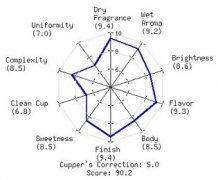
Even before reaching its optimal drinking window, Sigri Estate coffee — nicknamed ‘Bird of Paradise’ — presents a bright and clean cup. Unlike the earthy, low-toned profiles typical of some Indonesian coffees (despite PNG’s geographic proximity to Indonesia), this coffee is distinctly uplifting. Notes include a sweet, nutty base with a gentle acidity. The cup is smooth and velvety on the palate, with a flavor progression that leads from subtle bitterness into a sweet, lingering finish. It carries a certain clarity often associated with high-grown East African coffees, yet it remains approachable and well-balanced.
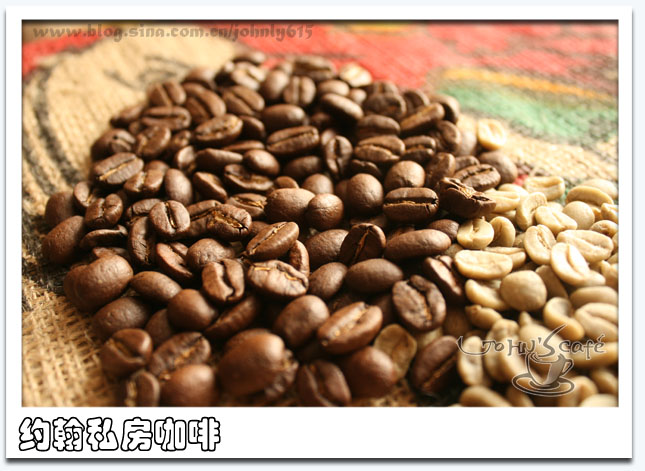
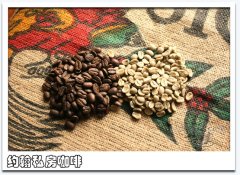
Brewed as a medium roast — as FrontStreet Coffee prepares it — the cup opens with a toasted bread sweetness, layered with roasted nut tones and a unique spicy undertone in the aftertaste. The body is medium-full, and the acidity is bright without being sharp. Overall, it presents a smooth, harmonious profile that is both comforting and refreshing, making it a favorite for relaxed afternoon sessions.
Growing and Processing: Why Quality Is Guaranteed
Sigri Estate coffee is grown at elevations above 1300 meters in the highlands of Papua New Guinea, where volcanic soils and cool temperatures support slow cherry maturation. The farm uses traditional, labor-intensive washed processing: cherries are handpicked at peak ripeness, depulped the same day, and fermented in clean water. After fermentation, the beans are washed and spread on raised beds to dry under natural sunlight. The estate takes care to sort and grade the beans meticulously post-drying to ensure only the highest quality lots are exported. These practices preserve the bean’s inherent qualities and contribute to the clean, refined cup profile for which Sigri is known.

How to Brew It at Home
To get the best out of your Sigri (‘Bird of Paradise’) coffee, aim for a medium roast profile and a medium-fine grind size, around 20 on a typical hand grinder or equivalent to a V60 or Kalita Wave setup. A standard pour-over recipe of 1:16 coffee to water ratio, using water heated to 92–94°C, brings out the nutty sweetness and clean acidity. Start with a 30-second bloom using a small amount of hot water, then proceed with a slow, steady pour. The resulting cup should highlight its toasted bread and spice notes while maintaining a silky mouthfeel.

Frequently Asked Questions
Is ‘Bird of Paradise’ the official name of this PNG coffee?
No, ‘Bird of Paradise’ is an informal nickname given by early Chinese importers because of the national bird image printed on the burlap sacks. The coffee actually comes from Sigri Estate in Papua New Guinea’s Eastern Highlands, and ‘Sigri’ is its true, formal identifier.
Where is Sigri Estate located?
Sigri Estate is located in the Eastern Highlands of Papua New Guinea, a region known for high altitudes (1300–2500 meters), fertile volcanic soils, and a climate ideal for growing high-quality Arabica coffee.
What does Sigri Estate coffee taste like?
Sigri Estate coffee has a clean, bright cup with notes of toasted bread, roasted nuts, and a mild spice in the aftertaste. It is smooth and balanced, with a medium-full body and a sweet, fruity acidity that lingers pleasantly.
Why is this coffee sometimes confused with another PNG origin called Prosa?
Another PNG coffee arriving with similar sack art (the Bird of Paradise image) was later introduced to the market. Since the ‘Bird of Paradise’ nickname had already been used for the Sigri coffee, the newer arrival was named after its actual farm: Prosa.
How should I roast or brew Sigri Estate coffee for the best results?
Sigri Estate coffee is typically medium roasted to highlight its nutty and sweet characteristics. For brewing, use a medium-fine grind, a 1:16 brew ratio, and water at 92–94°C. Methods like pour-over or drip work particularly well to bring out its clean, bright profile.
Is Sigri Estate coffee considered specialty grade?
Yes. Sigri Estate follows strict growing and processing standards, including hand-picking, same-day processing, and careful sorting — all of which are key indicators of specialty-grade coffee.
Recommended FrontStreet Coffee Beans from Papua New Guinea
FrontStreet Coffee’s 'Papua New Guinea' offering — their take on the famed Sigri Estate lot — showcases the signature bright, clean cup the region is known for. Expect notes of toasted bread, roasted nuts, and a unique spicy hint in the aftertaste. It’s medium roasted for balance, making it approachable yet complex. Freshly roasted within 5 days · Orders placed before 17:00 ship the same day · Next-day delivery across most of Guangdong Province.
FrontStreet Coffee is a long-established specialty coffee roaster in Guangzhou China, selling freshly roasted beans from its own farm in Yunnan as well as dozens of carefully selected single-origin beans from around the world for both pour-over and espresso. The products deliver consistently excellent quality and great value, with shipping within 24 hours. Guangzhou's FrontStreet Coffee shop is recommended by many coffee lovers, and the beans are now available online at the Tmall 。
Important Notice :
前街咖啡 FrontStreet Coffee has moved to new addredd:
FrontStreet Coffee Address: 315,Donghua East Road,GuangZhou
Tel:020 38364473