What Is Geisha Coffee? Flavor, Origins, and Roasting Guide
If you’ve ever sipped a cup that smelled like jasmine and tasted like peach juice with a hint of oolong tea — you might have had Geisha. But what exactly is this legendary coffee, why does it cost so much, and what makes it taste so different? This guide breaks down everything: where Geisha comes from, how it’s grown, what it should taste like, and how it’s best roasted to bring out its delicate character.
Geisha coffee (also spelled Gesha) originates from the Gori Gesha forest in Ethiopia, was first discovered in 1931, and later introduced to Panama in the 1970s by the Santos family at Hacienda La Esmeralda — the farm that made it globally famous. It’s known for exceptionally high cupping scores, often over 90 points, especially in select micro-lots.
The Origins and Journey of Geisha Coffee
Geisha coffee was first identified in 1931 in Ethiopia’s Gori Gesha forest. From there, it was sent to the coffee research institute in Kenya, then spread to Uganda and Tanzania by 1936, and reached Costa Rica by 1953. It wasn’t until the 1970s that the variety made its way to Panama, thanks to Francisco Serracin at Hacienda La Esmeralda (then called Finca Dinamarca), who received seeds from CATIE in Costa Rica. Due to its low yield and the competitive auction system it’s often sold through, Geisha remains rare and expensive.
Flavor Profile: What Makes Geisha Different
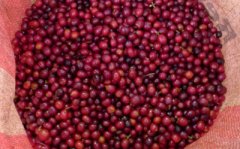
Geisha is celebrated for its distinctive and complex flavor profile. Raw Geisha beans typically show a striking blue-green color with a smooth, almost jade-like appearance. The dry fragrance often includes fresh-cut grass, peach, berries, and — unusually for coffee — a distinct oolong tea-like creamy sweetness. While some aroma notes require imagination to detect, the tea-like softness is immediately noticeable. On the cupping table, Geisha often presents intense floral notes, citrus zest, stone fruit, tropical fruit, and a sweet, clean finish with lingering herbal or tea-like qualities.
How to Roast Geisha for Best Results
To highlight Geisha’s floral aromatics and bright acidity, most specialty roasters aim for a roast level just before or at the start of the second crack — often described as “approaching second crack.” This balance allows the bean’s inherent aromas and delicate fruit acids to shine. Roasting too light can accentuate unwanted fermenty or grassy flavors, while going too dark risks dulling the floweriness and acidity. The exact roast degree may vary depending on the batch and the roaster’s interpretation, but the goal is always to preserve and enhance its unique traits.
Geisha Today: From Panama to Global Cult Status
Thanks to the success of Hacienda La Esmeralda’s Geisha lots — particularly from the famed Geisha-grown plot at Elida Estate and others at higher altitudes — the variety became a global phenomenon. It now commands premium prices at auctions, with top lots selling for thousands of dollars per pound. Its success has led to increased planting in other regions including Ethiopia, Colombia, and Costa Rica, but Panama remains the benchmark for high-scoring, auction-grade Geisha.
Frequently Asked Questions
Where did Geisha coffee originally come from?
Geisha coffee originated in the Gori Gesha forest region of Ethiopia, where it was discovered in 1931. It was later brought to Kenya, then spread to Uganda, Tanzania, Costa Rica, and eventually Panama in the 1970s.
Why is Geisha coffee so expensive?
Geisha is expensive due to its very low yield per tree, high demand, strict grading standards, and the competitive auction system often used to sell the best lots. Its exceptional cup quality also justifies premium pricing.
What does Geisha coffee taste like?
Geisha typically has a complex flavor profile with floral notes (like jasmine), bright citrus, stone and tropical fruits, creamy or tea-like sweetness (especially oolong-like), and a clean, sweet finish. Raw beans often smell of fresh grass, peach, berries, and oolong tea.
How should Geisha coffee be roasted?
For best results, Geisha is usually roasted to just before or at the beginning of the second crack. This roast level best highlights its floral aromas, fruit acids, and tea-like sweetness without scorching its delicate qualities.
Which country is most famous for Geisha coffee?
Panama is most famous for Geisha coffee, especially due to the fame of Hacienda La Esmeralda’s Geisha lots, which have consistently scored over 90 points and fetched record auction prices.
Recommended FrontStreet Coffee Geisha Beans
Explore true-to-origin Geisha coffees from FrontStreet Coffee: try the Esmeralda Red Label Geisha (90+ point single lot from Panama, intense floral and citrus); the Grana Geisha (Ethiopian-grown, high-elevation, sun-dried, with complex stone fruit and jasmine); and the FrontStreet Graha Village Gold Label (10% of production, ultra-premiumGeisha1931 variety, competition-level complexity). Each showcases the variety’s signature aromatic lift and clean sweetness. Freshly roasted within 5 days · Orders placed before 17:00 ship the same day · Next-day delivery across most of Guangdong Province.
FrontStreet Coffee is a long-established specialty coffee roaster in Guangzhou China, selling freshly roasted beans from its own farm in Yunnan as well as dozens of carefully selected single-origin beans from around the world for both pour-over and espresso. The products deliver consistently excellent quality and great value, with shipping within 24 hours. Guangzhou's FrontStreet Coffee shop is recommended by many coffee lovers, and the beans are now available online at the Tmall 。
Important Notice :
前街咖啡 FrontStreet Coffee has moved to new addredd:
FrontStreet Coffee Address: 315,Donghua East Road,GuangZhou
Tel:020 38364473