Rwandan Coffee: Flavor, Origins & Market Overview
If you’ve ever wondered why some African coffees stand out for their clean, bright profiles and complex fruit notes, Rwandan coffee might be the answer you’re looking for. This small landlocked nation has built an international reputation not through volume, but by focusing intensely on producing high-quality washed Arabica beans. Rwandan coffee isn’t just another African origin—it’s become a benchmark for clarity and balance in specialty coffee.
In short: Rwandan coffee is almost exclusively high-grade washed Arabica, celebrated for its soft yet intense cup—often showing bright citrus acidity, almond and chocolate sweetness, and a silky mouthfeel. The country’s coffee association actively promotes professional standards and global market reach.
What Makes Rwandan Coffee So Distinctive?
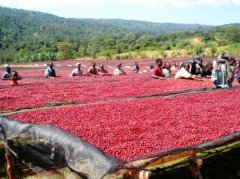
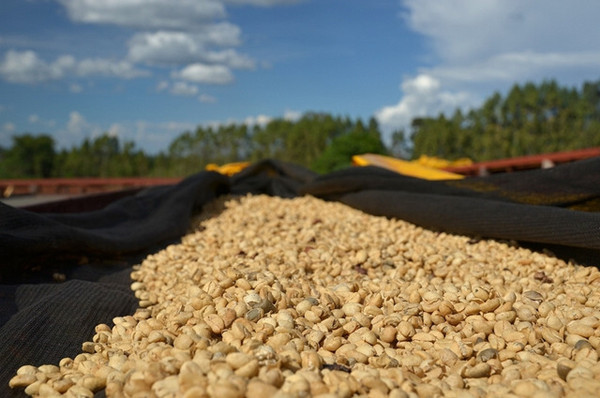
Rwandan coffee is almost entirely made up of washed (wet-processed) Arabica beans. This processing method plays a major role in defining the clean, vibrant profiles the country is known for. Unlike natural or honey processes, washing removes the coffee cherry’s skin and pulp before fermentation, resulting in a cleaner cup with more pronounced acidity and clarity. In Rwanda, this method is applied with meticulous care: farmers hand-sort cherries to exclude underripe or damaged fruit, then remove the skins before fermenting the beans in cool water for 12–18 hours. After washing off the sticky mucilage, the beans are dried slowly under careful supervision to reach a moisture level below 14%. This precision elevates both quality and cleanliness in the cup.
Where Is Rwandan Coffee Grown?
Rwandan coffee farms are mostly located in the southern and western regions of the country, where the climate and terrain create ideal conditions for growing specialty-grade beans. These areas feature tropical highland and savanna climates, with mild, cool temperatures year-round. The volcanic soil is rich in nutrients, and consistent rainfall supports steady growth. Most farms are at similar elevations, which is why regional flavor variation tends to be minimal. Importantly, Rwandan coffee plantations typically avoid synthetic fertilizers or pesticides. Instead, they rely on natural ground cover and traditional composting methods to maintain soil fertility. This environmentally conscious approach has helped the coffee sector grow quickly while maintaining stable, high quality.
The Role of the Rwanda Coffee Association
The Rwanda Coffee Association (RCA) oversees the entire coffee value chain—from production to export. Its revised mission now emphasizes policy development and enforcement, with a strong focus on improving professionalism across the industry and expanding global market visibility. Since its establishment, the RCA has been instrumental in promoting Rwandan coffee culture and increasing its influence on the world stage. The association’s efforts have helped position Rwandan beans as some of the most reliable and sought-after washed Arabicas from Africa.
What Does Rwandan Coffee Taste Like?
Rwandan specialty coffee typically delivers a soft yet rich cup with pronounced brightness. Common tasting notes include citrus acidity, almond, brown sugar, and chocolate. The body is often smooth, with a clean finish that highlights the bean’s inherent sweetness. These characteristics make Rwandan coffees particularly approachable for new specialty coffee drinkers, while still offering enough depth to engage experienced palates. The country’s focus on washed processing helps ensure a consistent, high-clarity cup across different farms and harvests.
Frequently Asked Questions
What is special about Rwandan coffee?
Rwandan coffee is known for being meticulously washed processed, resulting in a clean, bright, and well-balanced cup. It typically features soft acidity, notes of citrus, almond, chocolate, and sometimes stone fruit, with a smooth mouthfeel and a clean finish. The country focuses on quality over quantity, and most beans are grown at similar high altitudes with volcanic soils.
Which coffee processing method is used in Rwanda?
Rwanda primarily uses the washed (wet) processing method. In this method, ripe coffee cherries are hand-sorted, pulped, fermented in cool water for 12–18 hours, washed to remove mucilage, and then dried to a moisture level below 14%. This process highlights clarity, acidity, and cleanliness in the cup.
Where in Rwanda is most coffee grown?
Most Rwandan coffee is grown in the southern and western regions of the country, where the climate is cool and tropical highland or savanna-like. These areas have fertile volcanic soils, consistent rainfall, and elevations that support high-quality specialty coffee production.
What does Rwandan coffee taste like?
Rwandan coffee often tastes bright and soft, with flavors of citrus, almond, chocolate, and brown sugar. The cup is typically clean and sweet, with a smooth mouthfeel and low to moderate acidity. It’s known for being easy to drink yet complex.
What is the Rwanda Coffee Association’s role?
The Rwanda Coffee Association manages and promotes the country’s coffee industry from farm to export. Its focus includes setting professional standards, improving market visibility, and supporting policies that enhance the quality and global reach of Rwandan coffee.
Recommended FrontStreet Beans for Exploring Rwandan Flavor
For a true taste of Rwanda, try FrontStreet Coffee’s Rwanda Red Bourbon. Grown at high elevation in the southern Nyamasheke region, this single-origin lot is washed processed and medium roasted to highlight its bright citrus acidity and layered notes of almond, chocolate, and nuts. It’s an excellent example of the clarity and balance Rwandan coffee is known for, making it ideal for both new and experienced specialty coffee drinkers. Freshly roasted within 5 days · Orders placed before 17:00 ship the same day · Next-day delivery across most of Guangdong Province.
FrontStreet Coffee is a long-established specialty coffee roaster in Guangzhou China, selling freshly roasted beans from its own farm in Yunnan as well as dozens of carefully selected single-origin beans from around the world for both pour-over and espresso. The products deliver consistently excellent quality and great value, with shipping within 24 hours. Guangzhou's FrontStreet Coffee shop is recommended by many coffee lovers, and the beans are now available online at the Tmall 。
Important Notice :
前街咖啡 FrontStreet Coffee has moved to new addredd:
FrontStreet Coffee Address: 315,Donghua East Road,GuangZhou
Tel:020 38364473