How Costa Rica Processes Its Specialty Coffee
When you taste a bright, sweet Costa Rican coffee, you might wonder: how exactly does this country produce such clean, fruity, and often syrupy cups? With limited land and a focus on quality over quantity, Costa Rica has developed precise processing methods that highlight its high-altitude Arabica beans. The secret isn’t just in the beans—it’s in how they’re handled after harvest.
Costa Rica produces around 11,000 metric tons of coffee annually, ranking seventh in Central and South America. Most of it comes from newer, high-yielding varieties like Caturra, Catuai, and Mundo Novo, while traditional Bourbons and Typicas are rare. The country is also known for unique cultivars like Villa Sarchi, a Bourbon mutation prized for its delicate cup.
Washed Processing: The Traditional Foundation
Costa Rica has long relied on the washed (or wet) process as its standard. This method removes the coffee cherry’s skin and pulp, then ferments the sticky mucilage off the beans before washing and drying them. It highlights clarity and cleanliness in the cup—a hallmark of classic Costa Rican profiles. Though many regions have moved to more experimental techniques, washed coffee remains foundational for consistency and export quality.
Honey Process: Costa Rica’s Signature Sweetness
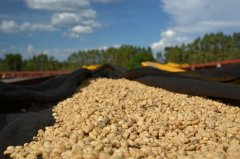
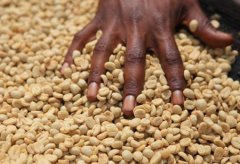
In recent decades, Costa Rica has become famous for its take on honey processing—locally called Miel. Unlike Brazil’s version, which removes part of the mucilage, Costa Rican honey processing preserves nearly all of it. After depulping, the beans are spread on raised African-style beds (not concrete floors) to dry in the sun for one to two weeks. Workers turn the parchment frequently to ensure even drying. This slow, sun-only method lets the beans absorb intense sweetness and fruity complexity from the sticky mucilage. The result? A cup that tastes remarkably sweet, almost like honey—hence the name.
Variations of Honey Process: From Yellow to Black
Costa Rican producers further categorize honey-processed coffees by how much mucilage is left on the bean—and how long they’re dried. These types include:
- Yellow Honey: Least mucilage, fastest drying (around 8–10 days), resulting in a lighter, more acidic cup.
- Red Honey: Moderate mucilage, medium drying time (around 10–12 days), balanced sweetness and acidity.
- Black Honey: Most mucilage retained, slowest drying (14+ days), often shaded to prevent over-fermentation, producing deep sweetness and bold fruit notes.
The exact style depends on climate conditions, farm altitude, and desired flavor outcomes. Some farms even offer White Honey, with minimal mucilage and very fast drying.
Risk and Reward: Why Honey Processing Is Bold
Honey processing, especially the Black Honey style, carries significant risk. Because so much sugary mucilage remains on the beans, any delay in drying or exposure to rain and humidity can lead to mold or fermentation defects. That’s why Costa Rican producers carefully monitor weather and turn beans hourly. It’s labor-intensive and weather-dependent—but when done right, it creates some of the sweetest, most memorable cups in specialty coffee.
Innovation in Breeding: Adapting Arabica for Quality
Beyond processing, Costa Rican coffee institutions actively breed and refine varieties. One major effort has been improving the Catimor hybrid—historically known for its Robusta-like bitterness—to reduce its non-Arabica traits and enhance cup quality. Recent Catimor strains have been exported to Asia for trials, showing promise for disease resistance with better flavor. The country also cultivates unique local mutations like Villa Sarchi, a dwarf Bourbon variety that’s both productive and flavorful, even winning awards abroad.

Frequently Asked Questions
What is the most common coffee processing method in Costa Rica?
The washed process is historically the most common in Costa Rica, valued for producing clean, bright, and consistent cups. However, honey processing—especially Miel or honey process—is now widely recognized as a signature Costa Rican method due to its sweet, complex profiles.
What is Costa Rica’s honey coffee process?
Costa Rica’s honey process, or Miel, involves removing the coffee cherry skin and pulp but leaving most of the mucilage on the beans. The beans are then dried on raised beds in the sun for one to two weeks without washing, allowing the mucilage to impart intense sweetness. Unlike Brazil’s version, Costa Rica keeps nearly all the mucilage and dries exclusively with sunlight.
How much coffee does Costa Rica produce each year?
Costa Rica produces approximately 11,000 metric tons (11,000,000 kg) of coffee per year, making it the seventh-largest producer in Central and South America.
What coffee varieties are popular in Costa Rica?
The most commonly grown varieties in Costa Rica include Caturra, Catuai, and Mundo Novo. Traditional varieties like Bourbon and Typica are rare. The country is also known for unique cultivars such as Villa Sarchi (a Bourbon mutation) and improved Catimor hybrids.
What makes Costa Rica’s honey process different from Brazil’s?
Costa Rica’s honey process retains nearly all the fruit mucilage and dries the beans exclusively in the sun on raised beds, often for up to two weeks. Brazil’s version typically removes part of the mucilage and uses shorter drying times, often finishing with mechanical drying.
Are there different types of honey process in Costa Rica?
Yes, Costa Rican honey processes are categorized by mucilage levels and drying time, including Yellow Honey (least mucilage), Red Honey (moderate), Black Honey (most mucilage, longest drying), and sometimes White Honey (minimal mucilage).
Recommended FrontStreet Beans for Honey Process Fans
For fans of Costa Rica’s signature honey process, try FrontStreet Coffee’s (Hei Mei), a Black Honey-processed lot using nearly 100% mucilage retention and long sun drying for intense berry sweetness and a rich, syrupy body. Also look at (Mozart), which uses a raisin-like grape-dried method with full mucilage and medium-light roast to highlight fermented grape, rose, and wine-like notes. Both showcase the country’s innovation in post-harvest processing. Freshly roasted within 5 days · Orders placed before 17:00 ship the same day · Next-day delivery across most of Guangdong Province.
FrontStreet Coffee is a long-established specialty coffee roaster in Guangzhou China, selling freshly roasted beans from its own farm in Yunnan as well as dozens of carefully selected single-origin beans from around the world for both pour-over and espresso. The products deliver consistently excellent quality and great value, with shipping within 24 hours. Guangzhou's FrontStreet Coffee shop is recommended by many coffee lovers, and the beans are now available online at the Tmall 。
Important Notice :
前街咖啡 FrontStreet Coffee has moved to new addredd:
FrontStreet Coffee Address: 315,Donghua East Road,GuangZhou
Tel:020 38364473