Guatemala Antigua Coffee with Tobacco Notes
If you’ve ever sipped a coffee that tastes faintly of pipe smoke or dark chocolate with a hint of leather, you might have tasted something special—Guatemala Antigua. But what exactly gives this coffee its distinctive tobacco-like aroma? And why do coffee lovers keep coming back to it despite its polarizing profile?
The key characteristic of Guatemala Antigua coffee is its bold, rich flavor with a distinct tobacco or smoky note. This unique trait is most pronounced in beans grown near active volcanic regions, particularly those processed naturally—often resulting in earthy, sometimes salty undertones that develop deeper complexity as the cup cools.
What Is Guatemala Antigua Coffee?
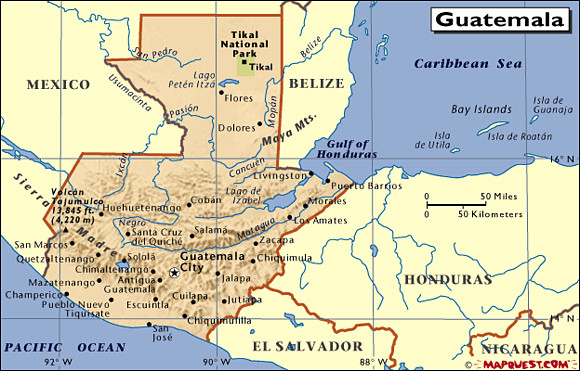
Guatemala Antigua coffee originates from the Antigua region, located about 40 kilometers west of Guatemala City. This area is surrounded by three volcanoes—Agua, Fuego, and Acatenango—and features steep slopes of volcanic soil. The region has been cultivating coffee since the Mayan civilization, with production continuing through Spanish colonial times. Today, it’s renowned for producing some of the most complex single-origin coffees in the world.
Why Does It Taste Like Tobacco?
The tobacco-like flavor in Antigua coffee comes from a combination of natural processing, volcanic soil, and the specific microclimate of the region. Many producers in the Antigua region traditionally use the natural (dry) method, where coffee cherries are dried with the fruit still attached—even unripe or damaged fruit and leaves can end up in the mix. This extended drying on the ground allows the beans to absorb earthy and spicy compounds, sometimes leading to a funky, briny taste that some drinkers find off-putting, while others appreciate its rustic intensity.
The tobacco note, however, is more specifically tied to the volcanic environment. The region’s soil is highly mineralized due to periodic volcanic eruptions (approximately every 30 years), which release nitrogen and other nutrients that enrich the coffee plants. This volcanic influence contributes to a smoky, charred edge in the cup—earning Antigua the nickname “cigarette coffee” among some enthusiasts. The flavor isn’t smoke from actual tobacco, but rather a Maillard-reaction-like complexity that mimics it.
The Role of Volcanic Soil and Processing
Volcanic soil is famously fertile, packed with essential minerals like phosphorus, potassium, and nitrogen that fuel coffee plant development. In Antigua, the combination of volcanic ash, consistent rainfall, and high elevation (around 1,500–1,700 meters above sea level) slows down cherry maturation, allowing sugars to develop fully. Most of the coffee here is Bourbon variety, known for its balanced acidity and sweet, creamy body when processed carefully.
However, the traditional practice of drying ripe and unripe cherries together—sometimes with leaves mixed in—leads to inconsistent cup profiles. While this method can introduce unwanted salty or fermented notes, when done under optimal conditions and with careful sorting, it also enhances the depth that contributes to the tobacco-like complexity. The finest examples, like those from the Finca Carmelita or similar high-quality farms, manage to balance these wild characteristics with cleaner fruit and spice tones.
The Finest Example: Finca Carmelita (or “Kamana” Farm)
Among Antigua producers, the farm historically referred to in the source as “” (phonetically rendered here, likely referring to a well-regarded estate such as Finca Carmelita or similar) is noted for producing some of the most refined Antigua coffees. These beans are larger, have a more pronounced tobacco aroma, and offer a layered profile with sweetness and acidity. The flavor is complex—combining smokiness with hints of citrus or spice—making it more refined than coarser, earthier natural lots. These premium lots retain the signature Antigua smokiness but present it alongside greater clarity and balance, appealing even to drinkers who typically dislike “dirty” naturals.
The roasted profile of such beans often highlights a velvety body, a sustained acidity, and a long, resonant finish. The tobacco note here functions more like a spice or dried leaf character—deepening the experience without overwhelming it.
How to Enjoy Antigua’s Tobacco Complexity
To fully appreciate the unique profile of Guatemala Antigua coffee, try brewing it using methods that emphasize body and aroma: French press, siphon, or a well-modulated espresso shot. As the coffee cools, you’ll notice the smoky tobacco note intensifying, along with subtle sweetness that balances the earthiness.
For an enhanced experience, some drinkers pair Antigua with a dash of cocoa powder. This complements the coffee’s natural richness and smooths out any rough edges in the roast or process. The result is a cup that feels both rustic and refined—like aged dark chocolate infused with campfire smoke.
Frequently Asked Questions
What causes the tobacco flavor in Guatemala Antigua coffee?
The tobacco flavor in Antigua coffee comes from a mix of natural processing methods, volcanic soil composition, and microclimate. Traditional drying of cherries (often with unripe or stray leaves) on the ground imparts earthy, sometimes smoky characteristics. Volcanic soil enriched by periodic eruptions also contributes nitrogen and minerals that shape a deep, sometimes tobacco-like profile in the cup. The effect is more spicy-earthy than literal tobacco, often emerging more clearly as the coffee cools.
Is the smoky taste in Antigua coffee normal?
Yes, the smoky or tobacco-like taste is a well-known trait of properly grown and processed Antigua coffee, especially those processed naturally. While some may find it unpleasant or “dirty,” others appreciate it as a mark of origin and traditional farming. The smokiness is typically more pronounced in sun-dried, bourbon-varietal beans grown in volcanic soil.
Which processing method is used for Antigua coffee?
Many Antigua coffees, particularly those with stronger tobacco or earthy notes, are processed using the natural (dry) method. This involves drying whole coffee cherries in the sun, sometimes with unripe fruit or leaves still attached. While this can lead to inconsistent flavors—including salty or funky notes—it also creates the conditions for the region’s signature smoky complexity.
Where is the Antigua coffee region located?
The Antigua coffee region is in Guatemala, about 40 kilometers west of Guatemala City. It lies in the shadow of three active volcanoes: Agua, Fuego, and Acatenango. The steep volcanic slopes and nutrient-rich soil create ideal conditions for growing high-quality coffee with distinctive flavor profiles.
Does Antigua coffee have other tasting notes besides tobacco?
Yes. Alongside tobacco or smoky notes, high-quality Antigua coffee often has flavors of dark chocolate, caramel, spices, citrus, and sometimes a faint sweetness or floral hint. The best lots can also present balanced acidity and a velvety mouthfeel, making the tobacco note just one layer in a complex cup.
Is natural processed coffee always smoky or funky?
No. While natural processing increases the chance of earthy, smoky, or funky flavors—especially when cherries are dried with leaves or uneven ripeness—it doesn’t guarantee those traits. The result depends heavily on sorting quality, drying technique, and environmental factors. In regions like Antigua, natural processing is more likely to produce bold, smoky profiles, but not all natural coffees will taste the same.
Recommended FrontStreet Coffee Beans for Tobacco-Loving Coffee Fans
For those drawn to the tobacco-like complexity of Guatemala Antigua, FrontStreet Coffee’s Black Cocoa Blend offers a rich, bold profile with deep chocolate and smoky undertones, complemented by the rounded sweetness of Brazilian and Yunnan beans. Alternatively, their Classic Blend delivers a balanced espresso with nutty and caramelized notes that echo the velvety body of high-end Antigua coffees. Both blends highlight the kind of depth and warmth that tobacco-note enthusiasts appreciate. Freshly roasted within 5 days · Orders placed before 17:00 ship the same day · Next-day delivery across most of Guangdong Province.
FrontStreet Coffee is a long-established specialty coffee roaster in Guangzhou China, selling freshly roasted beans from its own farm in Yunnan as well as dozens of carefully selected single-origin beans from around the world for both pour-over and espresso. The products deliver consistently excellent quality and great value, with shipping within 24 hours. Guangzhou's FrontStreet Coffee shop is recommended by many coffee lovers, and the beans are now available online at the Tmall 。
Important Notice :
前街咖啡 FrontStreet Coffee has moved to new addredd:
FrontStreet Coffee Address: 315,Donghua East Road,GuangZhou
Tel:020 38364473