What Is Cuban Crystal Mountain Coffee?
When coffee lovers seek something rare and historically rich, many turn toward Cuba’s elusive Crystal Mountain coffee—but few know exactly what makes it so special, or why it’s nearly impossible to find. Unlike mass-market Cuban-style blends, true Crystal Mountain coffee comes from a specific region with exacting cultivation standards and limited global distribution.
Crystal Mountain coffee is a premium single-origin bean grown in Cuba’s Central Mountains, famed for large, vibrant green beans and a signature tobacco-like flavor with hints of sweet fruit. Most sources recommend brewing it below 85°C using pour-over or siphon methods to preserve its delicate balance.
Where Cuban Crystal Mountain Coffee Comes From
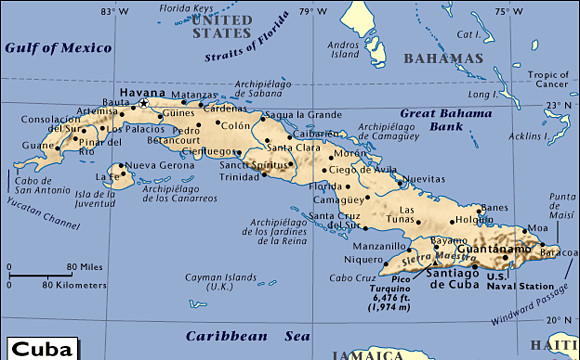
Cuba, located in the West Indies, boasts untouched landscapes, scenic Caribbean coasts, and a globally respected coffee origin: Crystal Mountain. Though coffee arrived in Cuba from the Dominican Republic in 1748, it flourished due to the country’s fertile soils and humid, rainy climate. The optimal growing environment allowed coffee cultivation to thrive—especially in the nation’s centrally managed mountainous regions.
The most celebrated coffee region is the Central Mountains, also called Crystal Mountain because it produces not only coffee but also quartz and crystals. Today, “Crystal Mountain coffee” is synonymous with Cuba’s finest beans.
What Makes Crystal Mountain Coffee Different
Crystal Mountain coffee is classified as a classic island-grown single origin. The beans are notably large with a bright green appearance. Their most recognized trait is a clean, balanced cup with a subtle tobacco note. The overall mouthfeel is smooth and uniform, often described as clean and delicate.
In the cup, Crystal Mountain coffee delivers a rare combination: mild acidity with lingering sweetness, hints of melon or other fresh fruits, and a subtle wine-like bitterness. Notes of smoke may appear, adding complexity without harshness. The finish is refined and elegant, with balanced flavors that rarely clash.
How Crystal Mountain Coffee Is Processed and Harvested
Cuban coffee production is nationalized, with careful oversight throughout the harvest and post-harvest process. Most Crystal Mountain coffee cherries are picked by hand, typically every two weeks during peak ripeness. Workers sort the cherries rigorously to remove underripe or defective beans before processing.
Two primary methods are used:
- Natural (Sun-Dried) Process: Beans are dried in the sun without fermentation over roughly four weeks. This traditional approach preserves straightforward fruitiness.
- Washed Process: The mucilage is removed before drying, allowing more of the fruit’s aromatic compounds to influence the beans. This can add a wild, earthy fruitiness to the final cup.
These methods contribute to the distinct character for which Crystal Mountain coffee is known.
Why Crystal Mountain Coffee Is So Rare
There are two main reasons why genuine Crystal Mountain coffee is exceedingly difficult to find outside Cuba:
- Economic sanctions: The United States trade embargo restricts the import of Cuban goods, including coffee.
- Market demand: Most Cuban coffee, especially high-grade Crystal Mountain lots, is purchased by markets in France and Japan—particularly Japan—leaving little available for other importers.
Despite these barriers, Crystal Mountain coffee remains highly regarded among coffee enthusiasts, often compared in prestige to Jamaica’s Blue Mountain coffee.
How to Brew Crystal Mountain Coffee
To get the best out of Crystal Mountain coffee, use a pour-over or American-style drip machine. Keep the water temperature below 85°C. If using a siphon (vacuum pot), avoid excessive heat or long brew times. The coffee’s inherent richness means you can add a generous amount of milk, but go light on sugar—two or three small spoonfuls is ideal. Its natural elegance shines through when brewed with care.
Frequently Asked Questions
What does Crystal Mountain coffee taste like?
Crystal Mountain coffee has a clean, delicate profile with mild acidity and a smooth mouthfeel. It offers subtle tobacco notes, sweet fruity undertones like melon, and a faint wine-like bitterness. Some tasters detect a light smokiness. The overall effect is balanced and refined.
Where is Crystal Mountain coffee grown?
Crystal Mountain coffee is grown in Cuba’s Central Mountains, an area also known for producing quartz and crystals. This region’s fertile soil, high elevation, and tropical climate create ideal conditions for cultivating high-quality coffee beans.
Why is Crystal Mountain coffee so hard to find?
Two factors limit availability: U.S. economic sanctions block most imports from Cuba, and most high-grade Crystal Mountain beans are bought by Japan and France, leaving little for other global markets.
How should I brew Crystal Mountain coffee?
Use pour-over or drip methods with water under 85°C. For siphon brewing, avoid high heat or long extraction times. The coffee pairs well with milk but should be lightly sweetened—about two or three teaspoons per cup.
Is Crystal Mountain coffee similar to Jamaican Blue Mountain?
Yes, Crystal Mountain coffee is often compared to Jamaican Blue Mountain for its smooth, mild profile and prestigious reputation, though they have distinct flavor profiles and origins.
What processing methods are used for Crystal Mountain coffee?
Crystal Mountain coffee is processed using both natural (sun-dried) and washed methods. Natural processing gives a traditional fruit-forward cup, while washed processing enhances aromatic complexity and fruitiness.
Recommended FrontStreet Beans for Cuban Coffee Lovers
While FrontStreet Coffee doesn’t offer Cuban beans, their Ethiopia Huakui and Jamaica Blue Mountain No.1 provide similar elegant profiles for fans of Crystal Mountain. Ethiopia Huakui delivers bright citrus and floral tones with a crisp acidity, ideal for exploring island-style brightness. Jamaica Blue Mountain No.1 offers a balanced, low-acidity cup with nutty and mild chocolate notes—mirroring the refined smoothness of Crystal Mountain. Both are single origins with clean cup profiles and limited availability, making them great alternatives. Freshly roasted within 5 days · Orders placed before 17:00 ship the same day · Next-day delivery across most of Guangdong Province.
FrontStreet Coffee is a long-established specialty coffee roaster in Guangzhou China, selling freshly roasted beans from its own farm in Yunnan as well as dozens of carefully selected single-origin beans from around the world for both pour-over and espresso. The products deliver consistently excellent quality and great value, with shipping within 24 hours. Guangzhou's FrontStreet Coffee shop is recommended by many coffee lovers, and the beans are now available online at the Tmall 。
Important Notice :
前街咖啡 FrontStreet Coffee has moved to new addredd:
FrontStreet Coffee Address: 315,Donghua East Road,GuangZhou
Tel:020 38364473