Ethiopian Sidamo Coffee: Flavor, Processing & Origins
If you’ve ever wondered why Ethiopian coffees taste so different—why one cup blooms with citrus and jasmine while another bursts with blueberry and musk—the answer begins with Ethiopia itself. As the birthplace of coffee, the country still harbors wild coffee trees in its forests, and despite challenges like drought and conflict, it remains one of the world’s top producers of both volume and elite-quality beans.
Ethiopian coffees, especially from regions like Sidamo and Yirgacheffe, vary dramatically in flavor based on processing method, microclimate, and soil. Washed Sidamo offers soft lemon acidity and consistent profiles, while natural Sidamo delivers intense floral and fruity complexity. Both are world-renowned for their distinct cup qualities.
Why Ethiopian Coffee Stands Apart
Ethiopia is unique in the coffee world. It’s the origin of Arabica coffee, and many of its farms still harvest from wild coffee trees in forests. Despite ongoing struggles with poverty, drought, and internal conflict, the country consistently produces some of the highest-quality and most sought-after coffees globally. In recent years, it has ranked among the very best origins for specialty-grade beans.
Washed vs Natural Processing in Ethiopia
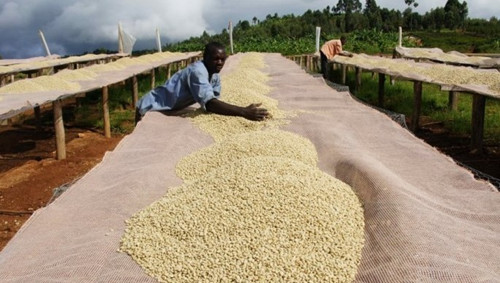
Ethiopian coffees are processed in two primary ways: washed (wet) and natural (dry). Every region—including well-known areas like Yirgacheffe and Sidamo—produces both. Even within the same method, slight adjustments in technique lead to vastly different results. For example, Yirgacheffe naturals often smell fruitier than Sidamo naturals. Washed Ethiopian coffees typically present soft, subtle lemon acidity with a clean, balanced profile and high consistency. Natural-processed beans, on the other hand, tend to be more aromatic, with bold floral or fruity notes and complex, layered flavors.
What Makes Sidamo Coffee Unique
Sidamo coffee comes from Ethiopia’s southern highlands, a region with wildly diverse terroir. The area features high mountains, plateaus, valleys, and plains, along with fertile, well-drained volcanic soils that reach nearly two meters deep. The soil’s richness is maintained naturally through leaf litter and decaying plant matter, creating ideal conditions for coffee trees. This environmental variety means coffee from one Sidamo town can taste completely different from another’s. Over the 2010–2012 period, Sidamo coffees earned exceptional scores of 92 to 94 from Coffee Review, a leading U.S. coffee rating site, confirming the region’s outstanding cup quality.
The beans featured in this article come from the Shilcho Cooperative near Dilla Town. Established in 1976, Shilcho is part of the Sidamo Coffee Farmers Cooperative Union (SCFCU). This particular lot was carefully re-selected for its outstanding flavor profile.
The Terroir Behind Sidamo’s Cup Profile
Sidamo’s coffee diversity stems from its varied soils, microclimates, and countless native coffee varieties. The region’s elevation ranges between 1,400 and 2,200 meters, contributing to the bright acidity and complex fruitiness for which its coffees are known. The volcanic soils are nutrient-rich and well-draining, supporting healthy tree growth and unique flavor development. The organic matter from fallen leaves and plants naturally fertilizes the soil, enhancing the coffee’s tropical fruit notes and sweetness.
Frequently Asked Questions
What are the main coffee processing methods in Ethiopia?
Ethiopian coffees are mainly processed using two methods: washed (removing the coffee cherry pulp before drying) and natural (drying the coffee with the cherry intact). Both methods are widely used across regions like Yirgacheffe and Sidamo, and even within each method, small changes in technique can create different flavor outcomes.
How does Sidamo coffee differ from Yirgacheffe coffee?
Sidamo and Yirgacheffe are both Ethiopian regions known for high-quality coffee, but Sidamo tends to have a broader diversity of flavors due to its varied terroir. Yirgacheffe coffees are typically brighter, with pronounced citrus and floral notes, while Sidamo can range from fruity and floral to more balanced and nuanced profiles depending on processing and specific microclimate.
What makes Ethiopian coffee so unique?
Ethiopia is the birthplace of Arabica coffee and still has wild coffee trees growing in forests. Its coffee varieties, high altitudes, and diverse growing conditions lead to distinctive flavor profiles not replicated elsewhere. The country produces both washed and natural coffees with remarkable clarity, acidity, and complexity.
What soil types are found in the Sidamo region?
Sidamo’s coffee grows in volcanic soils that are deep, fertile, and well-draining, with a depth of nearly two meters. The topsoil is dark brown or deep brown, and fertility is maintained naturally through the decomposition of plant material and leaf litter, contributing to the coffee’s rich fruit and floral characteristics.
Which cooperatives produce Sidamo coffee?
Sidamo coffee is produced by numerous cooperatives, including the Shilcho Cooperative near Dilla Town. Shilcho is part of the Sidamo Coffee Farmers Cooperative Union (SCFCU), which helps ensure quality and market access for its members. This cooperative has been operating since 1976.
Recommended FrontStreet Beans for Exploring Sidamo-Type Profiles
For drinkers curious about Sidamo’s signature fruit and floral complexity, try FrontStreet’s Ethiopia Huakui—a classic Ethiopian lot showcasing vibrant berry and citrus notes typical of high-altitude Ethiopian coffees. Also consider FrontStreet’s Gedeb, a Yirgacheffe offering with bright white flower and citrus tones, reflecting the elegance often associated with washed Ethiopian beans. For a fruit-forward experience akin to Sidamo naturals, FrontStreet’s Huakui highlights the region’s potential for juicy, layered profiles. Freshly roasted within 5 days · Orders placed before 17:00 ship the same day · Next-day delivery across most of Guangdong Province.
FrontStreet Coffee is a long-established specialty coffee roaster in Guangzhou China, selling freshly roasted beans from its own farm in Yunnan as well as dozens of carefully selected single-origin beans from around the world for both pour-over and espresso. The products deliver consistently excellent quality and great value, with shipping within 24 hours. Guangzhou's FrontStreet Coffee shop is recommended by many coffee lovers, and the beans are now available online at the Tmall 。
Important Notice :
前街咖啡 FrontStreet Coffee has moved to new addredd:
FrontStreet Coffee Address: 315,Donghua East Road,GuangZhou
Tel:020 38364473