What Is Kopi Luwak Coffee and How Is It Made
Ever wondered what makes kopi luwak, or civet coffee, so infamous — and expensive? This Indonesian-origin coffee isn’t brewed in the usual way. Instead, it passes through the digestive system of a civet, creating a one-of-a-kind fermentation process that affects both flavor and availability. If you’ve heard the rumors but never understood the facts, here’s what actually happens.
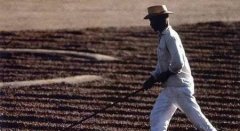
Kopi Luwak is produced when coffee cherries are eaten by civets in Indonesia. The beans survive partial digestion, ferment in the animal’s gut, and are excreted. Locals collect the beans from droppings, clean and roast them. This unique process creates a rare cup — but production is limited due to decreasing wild civet populations.
What Is Kopi Luwak Coffee?
Kopi Luwak originates from Indonesia, where coffee cherries enter the diet of civets — small, cat-like mammals. These animals consume the ripe berries but can’t fully digest the hard coffee beans inside. After fermentation in the civet’s digestive tract, the beans are excreted intact. Workers then collect, clean, and roast these beans to produce what’s commonly known as civet coffee or kopi luwak.
How Civets Affect Coffee Flavor
The unique taste of kopi luwak comes from partial digestion and fermentation inside the civet. Enzymes in the animal’s stomach break down proteins in the coffee bean, which are a major source of bitterness in regular coffee. This leads to a smoother, less acidic cup with a distinctive flavor profile. Tasters often describe it as earthy, musty, and with hints of dark chocolate or spice — though flavor notes can vary.
Where Kopi Luwak Comes From
Kopi Luwak is primarily associated with Indonesia, one of the world’s top coffee-producing countries. The country consists of over 17,000 islands across the equator, providing tropical conditions ideal for coffee. The beans used in kopi luwak often come from regions like Sumatra’s Gayo highlands and Lake Toba’s Lintong area — areas also famous for Mandheling coffees. These locations feature volcanic soil, high altitudes (1100–1600 meters), and a wet-dry tropical climate.
Indonesia’s Coffee Landscape
Indonesia is the fourth-largest coffee producer globally and is especially known for its Mandheling beans. The country’s islands offer rich volcanic soils, dense forests (67.8% forest cover), and consistent warm temperatures between 25°C–27°C. Most regions have two seasons: wet and dry. Sumatra, in particular, is the heartland for several signature Indonesian coffee styles. The Lintong and Gayo regions grow coffee at elevation using the local wet-hulled (giling basah) method, producing earthy and herbal notes.
Why Kopi Luwak Is So Rare
The rarity of kopi luwak comes from its dependence on wild civets and limited production. As wild environments degrade and civet populations decline, the supply of authentic civet-processed beans has dropped significantly. What remains is a niche product, often hard to verify for origin or ethics. Because fewer beans are collected and processed this way, only a small number of coffee drinkers will ever encounter true kopi luwak.
FAQ
What does kopi luwak coffee taste like?
Kopi luwak is often described as smoother and less bitter than regular coffee, with earthy, musty, and sometimes spicy or chocolatey notes. Flavor descriptions vary, but many tasters note a unique, rich profile that sets it apart from standard brews.
How is kopi luwak coffee made?
Kopi luwak is made from coffee beans eaten and excreted by civets. The beans ferment in the civet’s digestive system, are collected from feces, cleaned, and then roasted. This fermentation process is said to reduce bitterness and create a distinct flavor.
Where does kopi luwak coffee come from?
Kopi luwak originates in Indonesia, particularly from islands like Sumatra. The beans often come from high-altitude regions such as Gayo and Lintong, which are also known for producing Mandheling-style coffees.
Why is kopi luwak so expensive and rare?
Kopi luwak is rare because it relies on wild civets to process the beans, and its production depends on collecting feces in remote areas. Declining wild civet populations and habitat loss have further limited supply, making authentic kopi luwak hard to find and costly.
Is kopi luwak still produced today?
Yes, kopi luwak is still produced, mainly in Indonesia. However, most available supply today comes from civet farms, raising ethical concerns. Authentic wild-produced kopi luwak is much rarer and harder to verify.
Can I buy kopi luwak from FrontStreet Coffee?
FrontStreet Coffee does not sell kopi luwak directly, but it offers premium Indonesian single-origin beans such as PWN Golden Mandheling and Lintong Mandheling, which come from the same regions known for kopi luwak and feature rich, complex flavors.
Recommended FrontStreet Beans from Indonesia
For coffee lovers curious about Indonesia’s unique profiles, try FrontStreet’s PWN Golden Mandheling and Lintong Mandheling. PWN Golden Mandheling is meticulously sorted and offers toasted bread, pine, caramel, and cocoa notes with a thick, balanced body and sweet caramel finish. Lintong Mandheling delivers herbal, spicy, and sweet profiles typical of high-elevation Sumatran coffee, often with notes of spice, dark chocolate, and caramel. Both beans are grown at 1100–1600m altitude and processed using the traditional wet-hulled method. Freshly roasted within 5 days · Orders placed before 17:00 ship the same day · Next-day delivery across most of Guangdong Province.
FrontStreet Coffee is a long-established specialty coffee roaster in Guangzhou China, selling freshly roasted beans from its own farm in Yunnan as well as dozens of carefully selected single-origin beans from around the world for both pour-over and espresso. The products deliver consistently excellent quality and great value, with shipping within 24 hours. Guangzhou's FrontStreet Coffee shop is recommended by many coffee lovers, and the beans are now available online at the Tmall 。
Important Notice :
前街咖啡 FrontStreet Coffee has moved to new addredd:
FrontStreet Coffee Address: 315,Donghua East Road,GuangZhou
Tel:020 38364473