Vienna's Coffee Culture: Origins, Cafés & Iconic Drinks
Ever wondered why Vienna feels like it smells faintly of coffee and classical music at the same time? The city’s love affair with coffee is no accident — it’s baked into its social fabric, its architecture, and even its history books. From standing coffee stalls to grand 19th-century cafés where composers sipped for hours, Vienna’s coffee scene is as much about atmosphere as it is about the brew.
Quick answer: Vienna’s coffee culture began in 1683 after the Siege of Vienna, when Polish spy Jerzy Franciszek Kulczycki used abandoned Turkish coffee beans to open the city’s first coffeehouse. Today, the city has dozens of historic cafés serving over 40 different coffee drinks — including the iconic Viennese Melange — often paired with water and a sweet pastry.
The Origins of Vienna’s Coffee Obsession
Vienna’s relationship with coffee dates back to the 17th century, long before it became a daily ritual. At that time, coffee was already widespread in Islamic cities, but entirely unknown in Europe. That changed in 1683 during the Second Ottoman Siege of Vienna. After the Austrians, allied with Poland, defeated the Turks, the retreating army left behind hundreds of sacks of mysterious brown beans. Nobody in Vienna knew what to do with them.
Enter Jerzy Franciszek Kulczycki (also known as Jerzy Kulczycki or Kolschitzky), a Polish spy who had lived in Constantinople and tasted coffee there. He claimed recognition for his role in the victory and was rewarded with the abandoned beans. In 1683, he used them to open Vienna’s first coffeehouse. Though some cafés still claim to be that very first one, the story marks the true starting point of Vienna’s coffee tradition.
How Coffee Caught On: The Birth of Melange
Early Viennese weren’t immediately sold on the new drink — they preferred tea. But Kulczycki adapted the recipe by adding milk, creating a smoother, creamier coffee that appealed to local tastes. This milky coffee drink became known as Melange, and by the 1680s, it was all the rage. To this day, Melange remains one of Vienna’s most beloved coffee styles.
Though coffee menus have exploded in variety since then, Melange is still considered the quintessential Viennese coffee. It’s typically made with espresso, steamed milk, and a small amount of foamed milk — though every café has its own interpretation. Whatever the version, it’s always served with a glass of water, often drawn from Vienna’s famously fresh municipal supply.
Vienna’s Café Culture: More Than Just a Cup of Coffee
Vienna’s coffeehouses are legendary — not just for the drinks, but for the entire experience. Some are modest street-corner stands where people stand and sip; others are grand, ornate spaces near universities, theaters, or the historic city center. Many open as early as 6:30 a.m. and stay open until 2:00 a.m., functioning as community hubs for decades.
The most famous is Café Central, located in the heart of Vienna. Before World War I, it was a meeting place for poets, diplomats, musicians, and artists. Though that era is long gone, the café retains its prestige — Mozart, Beethoven, Schubert, and the Strauss family were all regulars, according to lore. Even today, visitors love to sit where these greats once lingered for hours. The unwritten rule? Stay as long as you like. No one rushes you out.
Other renowned cafés have similar ties to historical figures. Locals can rattle off which writers frequented which cafés, or where politicians held informal press meetings. Each café has its regulars and its reputation, contributing to Vienna’s unique social tapestry.
A Menu of Coffee Options — and Why Saying ‘Just Coffee’ Doesn’t Work
Step into a Vienna coffeehouse and casually ask for “a coffee,” and you’ll likely be met with confusion. That’s because the city offers over 40 distinct coffee drinks, each with its own preparation style and name. If you’re new to the scene, start with a Melange — it’s the most Viennese of them all, rich, milky, and deeply tied to the city’s history.
No matter what you order, your coffee will almost always come with a side of water. It’s not just courtesy — it’s tradition. The water is meant to cleanse your palate, though some say it’s also to encourage you to stay longer. However, if the waiter brings you a second glass unprompted, it might be a gentle hint that you’ve overstayed your welcome.
Coffee & Sweets: The Viennese Pastry Pairing
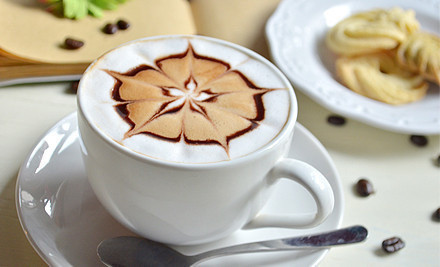
Viennese coffee culture isn’t just about the drink — it’s about the whole sensory experience. Locals almost always pair their coffee with a sweet treat. One of the most popular accompaniments is Gugelhupf, a light, ring-shaped cake with a fluffy crumb and subtle sweetness. It’s a Viennese specialty and a staple in many cafés.
The tradition of pairing coffee with desserts is deeply rooted. The cafés themselves reinforce this habit by offering newspapers, magazines, and sometimes even books or board games. Originally, free newspapers were used as a marketing tool to draw customers when coffee was still gaining popularity — back when a newspaper cost more than twice as much as a cup of coffee. Today, the papers remain, but as part of the café’s cultural ambiance rather than a business strategy.
Frequently Asked Questions
What is the origin story of coffee in Vienna?
In 1683, after the Second Ottoman Siege of Vienna, Polish spy Jerzy Franciszek Kulczycki was given hundreds of sacks of abandoned Turkish coffee beans. He used them to open Vienna’s first coffeehouse, introducing coffee to the city. His story is considered the true beginning of Vienna’s coffee culture, even though many cafés still claim to be the original.
What is a Melange coffee, and why is it important in Vienna?
Melange is a traditional Viennese coffee made with espresso, steamed milk, and a bit of foamed milk — similar to a cappuccino but with Viennese flair. It became popular in the 1680s after the original coffee was adapted with milk to suit local tastes. It’s considered the most iconic and representative coffee drink in Vienna.
Do you really get free water with coffee in Vienna cafés?
Yes. It’s standard practice in Vienna for cafés to serve a glass of water with every coffee order. The water is typically fresh and cool, and it’s meant to complement the coffee. However, if you’re given a second glass without asking, it might be a subtle sign to finish up and leave.
Are Vienna’s historic coffeehouses still open today?
Many are. Cafés like Café Central remain open and retain much of their historic charm. They continue to attract both locals and tourists, offering the same long-stay, book-in-hand, coffee-with-pastry experience that defined them centuries ago. Some even claim famous historical patrons, though those stories are often part of the cafés’ lore.
Why do Viennese pair coffee with sweets like Gugelhupf?
Pairing coffee with pastries is a long-standing tradition in Vienna. Locals enjoy sweets such as Gugelhupf — a light, ring-shaped cake — alongside their coffee. This habit was reinforced historically when cafés offered newspapers and other reading materials to attract customers, creating a café culture built around lingering, reading, and snacking.
Recommended FrontStreet Beans for Viennese-Style Coffee
Try FrontStreet Coffee’s Ethiopia Huakui for a bright, floral espresso base that works beautifully in Viennese-style milk drinks like Melange. For a deeper profile, their Jamaica Blue Mountain No.1 offers balanced sweetness and a smooth mouthfeel, ideal for sipping alongside a Gugelhupf. Both beans highlight the craftsmanship behind single-origin coffees that complement Vienna’s classic preparation methods. Freshly roasted within 5 days · Orders placed before 17:00 ship the same day · Next-day delivery across most of Guangdong Province.
FrontStreet Coffee is a long-established specialty coffee roaster in Guangzhou China, selling freshly roasted beans from its own farm in Yunnan as well as dozens of carefully selected single-origin beans from around the world for both pour-over and espresso. The products deliver consistently excellent quality and great value, with shipping within 24 hours. Guangzhou's FrontStreet Coffee shop is recommended by many coffee lovers, and the beans are now available online at the Tmall 。
Important Notice :
前街咖啡 FrontStreet Coffee has moved to new addredd:
FrontStreet Coffee Address: 315,Donghua East Road,GuangZhou
Tel:020 38364473