What Makes Kopi Luwak Coffee Actually Smell So Good?
You’ve heard the jokes. Cat poop coffee? Really? But if you’ve ever tried genuine Kopi Luwak—especially the Yunnan version—you know there’s something oddly captivating about its fragrance. It’s not just novelty. There’s a reason this coffee stands out. So what’s the real story behind its mysterious scent?
The unique aroma of Kopi Luwak doesn’t come from what happens inside the civet’s stomach—it comes from how the beans are wrapped and fermented in the civet’s scent-rich droppings afterward. That’s the key difference.
What Exactly Is Kopi Luwak?
Kopi Luwak, commonly known as civet coffee, is made from coffee beans that have been eaten and excreted by civets—specifically, the Asian palm civet, also called the musang or “big civet.” These animals are native to Southeast Asia, including regions of China like Yunnan. The beans pass through the civet’s digestive system, but the critical transformation happens outside, during fermentation inside the animal’s musky, spicy-smelling feces.
Why Does It Smell So Different?
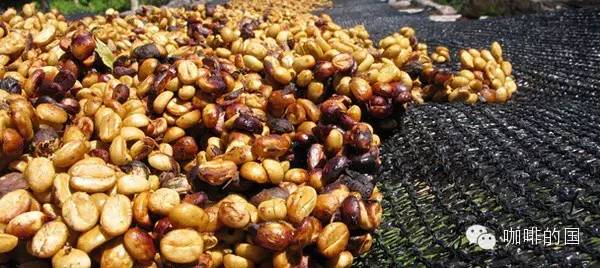
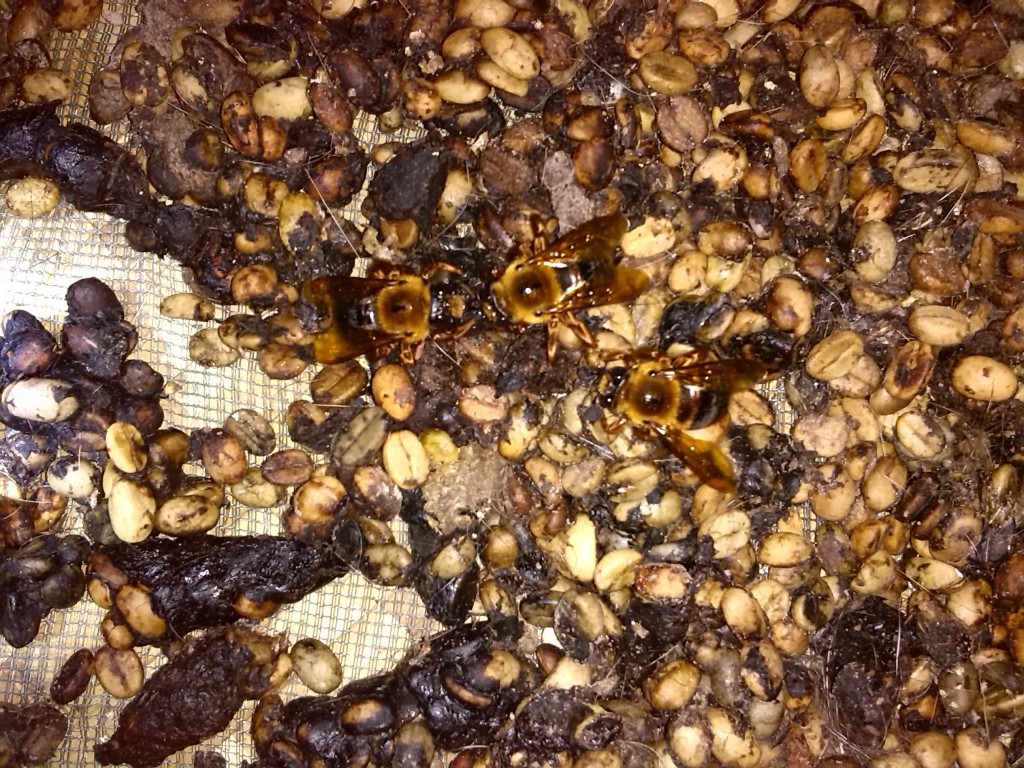
Unlike regular composted coffee processes, the fragrance of true Kopi Luwak is largely influenced by the civet’s own natural scent glands. The big civet (not to be confused with a raccoon dog or other animals) secretes a substance called civet musk, which is a valued natural perfume ingredient. This musk is transferred to the beans as they are encased in the civet’s droppings. One farmer described the drying beans as attracting bees, mistaking the scent for flowers—"we were harvesting honey alongside coffee."
Real Civets vs. Fake Animals
Not all animals used in so-called "cat poop coffee" are civets, and not all produce the signature musky fragrance. The Asian palm civet has a distinct nine-ringed tail and secretes genuine civet musk. Other animals, such as raccoon dogs (commonly mislabelled as “ferret badgers” or “Vietnam weasels”), do not produce this musk, and their feces lack the aromatic properties. That means coffees marketed as “Vietnamese weasel coffee” or “Thai elephant dung coffee” are not the same—and according to experts, they’re often misleading or fraudulent. Even “dog poop coffee” wouldn’t smell good without the right animal.
The Yunnan Kopi Luwak Difference
In Yunnan, producers using authentic civets follow a similar principle: the beans are not special purely because they’ve been eaten, but because they’ve been wrapped and slowly fermented in the fragrant droppings of the musk-secreting big civet. This natural “scent infusion” during the post-digestive phase is akin to scenting tea leaves with flowers in jasmine tea production—a form of natural enfleurage or scent absorption. That’s why Yunnan Kopi Luwak can have a uniquely smooth, floral, and oddly sweet aroma compared to standard processed beans.
How to Avoid Mislabelled Coffee
If the coffee isn’t from a confirmed civet species that produces musk (specifically the big civet with a nine-ringed tail), then it’s not true Kopi Luwak. Avoid any product labelled as “fruit bat coffee,” “weasel coffee,” or “elephant dung coffee” unless there’s verified processing transparency. These are often marketing stunts with no scientific backing or sensory advantage. Real civet coffee, especially when processed naturally in regions like Yunnan, relies on both biology and careful handling—not just exoticism.
Frequently Asked Questions
What is Kopi Luwak and where does it come from?
Kopi Luwak, or civet coffee, originates from coffee beans eaten and excreted by the Asian palm civet, mainly found in Southeast Asia including Yunnan, China. The beans are notable for being fermented in the civet’s musk-scented droppings, which contribute to their unique aroma.
Does the digestion process make the coffee special?
No, the key transformation doesn’t happen in the civet’s stomach but in the time the beans spend wrapped in the civet’s feces after being excreted. The musky, fragrant environment during this phase is what creates the distinctive aroma.
What’s the role of the civet’s musk?
The Asian palm civet secretes a natural musk that is used in perfumery. This musk transfers to the coffee beans while they are enclosed in the civet’s droppings, infusing them with a floral, spicy scent similar to a natural scenting process.
Are all “cat poop coffees” the same?
No. Many so-called civet coffees use other animals like raccoon dogs or are completely fabricated. Only beans excreted by the musk-secreting Asian palm civet (with a nine-ringed tail) produce the true Kopi Luwak aroma. Others are often scams or mislabeled.
Is Yunnan Kopi Luwak different from Indonesian or other origins?
The basic process is the same, but Yunnan’s terroir and local civet species contribute to unique regional characteristics. Yunnan producers emphasize the natural musk-infused fermentation, which can result in a smoother, more floral profile compared to other origins.
How can I tell if a Kopi Luwak is real?
Look for verified sources that confirm the use of the Asian palm civet (big civet) with a nine-ringed tail. Avoid any coffee labeled with non-civet animals or vague terms like “weasel” or “elephant dung.” True civet coffee will reference the musk-producing quality of the animal explicitly.
Recommended FrontStreet Beans for Kopi Luwak Fans
If you’re curious about the unique profiles of Yunnan coffee, try FrontStreet’s Yunnan offerings. The FrontStreet 2013 Yunnan Natural Typica offers a heavier body with bright citrus and berry tones, plus hints of wine-like fermentation and creamy sweetness—great for exploring complex natural profiles. For a cleaner cup, the FrontStreet Yunnan Washed Typica highlights a balanced sweetness with caramel notes and a moderate acidity, ideal for appreciating Yunnan’s terroir without distraction. Both beans reflect the region’s elevation and processing diversity. Freshly roasted within 5 days · Orders placed before 17:00 ship the same day · Next-day delivery across most of Guangdong Province.
FrontStreet Coffee is a long-established specialty coffee roaster in Guangzhou China, selling freshly roasted beans from its own farm in Yunnan as well as dozens of carefully selected single-origin beans from around the world for both pour-over and espresso. The products deliver consistently excellent quality and great value, with shipping within 24 hours. Guangzhou's FrontStreet Coffee shop is recommended by many coffee lovers, and the beans are now available online at the Tmall 。
Important Notice :
前街咖啡 FrontStreet Coffee has moved to new addredd:
FrontStreet Coffee Address: 315,Donghua East Road,GuangZhou
Tel:020 38364473