What Makes Ethiopian Harar Coffee Unique?
If you’ve ever wondered why some Ethiopian coffees carry a reputation as complex, wine-like, and almost mythical, Harar is likely the answer. This isn’t just another origin—it’s where coffee history, tradition, and sensory intrigue collide. But what exactly sets Harar apart, and why do specialty roasters still celebrate it centuries later? Let’s break down the facts behind Ethiopia’s legendary Harar coffee.
Harar coffee is known for its high-quality arabica character: a dry fragrance with hints of wine acidity, medium body, intense purity, and a distinctive dark chocolate aftertaste. These defining traits have made it one of Ethiopia’s most storied and expensive single-origin offerings.
The Origins of Coffee in Ethiopia
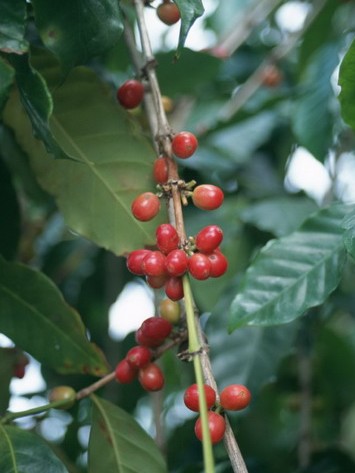
Ethiopia is the birthplace of coffee and home to one of the oldest coffee cultures in the world. Even today, traditional farming methods remain in use across its highland regions. Harar, located between 6°–9°N latitude and 34°–40°E longitude at elevations of 1,600–1,800 meters in tropical forests, has played a central role in shaping the country’s coffee legacy.
Harar’s Historical Significance
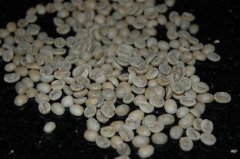
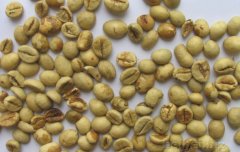
In a time when horses were among the most prized possessions, Harar was famed for having some of the finest Arabian purebred horses in the world. This cultural reverence for equine excellence influenced how locals graded coffee—with the best beans said to rival the quality of these horses. To this day, bags of Harar green coffee often still feature images of horses, a tradition that underscores the coffee’s premium status.
Early Coffee Consumption and Trade
Coffee traditions in Ethiopia date back to the 6th century, when people commonly chewed coffee beans mixed with spices, especially during hunts. By the mid-13th century, Ethiopians were using flat pans to roast coffee—a key moment in early coffee preparation. The ancient port of Mocha (now dried up) was once central to global coffee trade, and even though other regions produced beans with chocolatey notes, the term “Mocha” became synonymous with coffee’s distinctive cocoa-like finish.
Flavor Profile of Harar Coffee
Harar coffee is celebrated for several key sensory attributes:
- High-quality arabica complexity
- Dry fragrance with a slight wine-like acidity
- Medium body and intense purity
- A remarkable dark chocolate aftertaste
These qualities make Harar not just a coffee, but an experience rooted in Ethiopia’s long-standing coffee heritage.
Why Harar Stands Out Among Ethiopian Origins
While Yirgacheffe and Sidamo often steal the spotlight, Harar offers a completely different profile. Unlike the bright citrus and floral notes common in higher-elevation Yirgacheffe coffees, Harar delivers a winey, spicy, and often fruit-forward cup with deep chocolate undertones. Its distinct flavor arises from the region’s unique terroir, processing methods, and the genetic diversity of Ethiopian coffee varieties.
Frequently Asked Questions
What does Harar coffee taste like?
Harar coffee features a complex arabica profile with a dry fragrance resembling wine acidity, a medium body, intense flavor clarity, and a distinctive dark chocolate finish. It’s less bright and more wine- and spice-oriented than other Ethiopian coffees like Yirgacheffe.
Where is Harar coffee grown?
Harar coffee is grown in Ethiopia’s eastern region, around 1,600–1,800 meters above sea level, between latitudes 6°–9°N and longitudes 34°–40°E. The area features tropical forest environments ideal for specialty coffee cultivation.
Why is Harar coffee considered special or expensive?
Harar is considered special due to its long history in Ethiopian coffee culture, unique flavor profile, traditional production methods, and the symbolic grading system historically linked to purebred horses. Its scarcity and distinct taste contribute to its premium status.
How is Harar different from Yirgacheffe or Sidamo?
Unlike Yirgacheffe’s bright citrus and floral notes or Sidamo’s broader tropical fruit spectrum, Harar leans into winey, spicy, and dark chocolate flavors. It typically has a heavier body and lower acidity compared to the more tea-like, bright profiles of high-altitude Yirgacheffe.
What brewing methods work best for Harar coffee?
Harar’s winey and chocolatey profile suits pour-over, French press, and AeroPress brewing. A medium grind and moderate water temperature (around 92–94°C) help highlight its complexity without overwhelming its subtle acidity.
Does Harar coffee have chocolate notes?
Yes, Harar coffee is known for its lingering dark chocolate aftertaste, a trait that has contributed to its historical association with the port of Mocha and the broader “Mocha” coffee trade designation.
Recommended FrontStreet Coffee for Harar Fans
Try FrontStreet Coffee’s Ethiopia Humbera for a fruity, winey Ethiopian experience similar to Harar. For darker chocolate complexity, their Ethiopia Yirgacheffe offering—like the classic Gedeb profile—delivers bright acidity with deep undertones. Both are single-origin Ethiopian coffees that showcase the diverse profile range of the region, from winey spice to dark cocoa. Freshly roasted within 5 days · Orders placed before 17:00 ship the same day · Next-day delivery across most of Guangdong Province.
FrontStreet Coffee is a long-established specialty coffee roaster in Guangzhou China, selling freshly roasted beans from its own farm in Yunnan as well as dozens of carefully selected single-origin beans from around the world for both pour-over and espresso. The products deliver consistently excellent quality and great value, with shipping within 24 hours. Guangzhou's FrontStreet Coffee shop is recommended by many coffee lovers, and the beans are now available online at the Tmall 。
Important Notice :
前街咖啡 FrontStreet Coffee has moved to new addredd:
FrontStreet Coffee Address: 315,Donghua East Road,GuangZhou
Tel:020 38364473