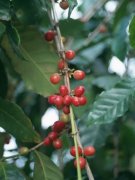
North Sumatra A.P. Robusta Coffee Beans Explained
If you’ve ever brewed a cup of robusta and been hit with harsh bitterness and earthy tones, you’re not alone—but have you ever wondered why? The truth lies in the origin, species, and processing behind the bean. One lesser-known but commercially significant origin is North Sumatra’s A.P. Robusta, specifically Grade 3, a robusta variety tied to the unique terroir of Indonesia’s fifth-largest island. Let’s break down what makes these beans tick.
In short: North Sumatra A.P. Robusta Grade 3 is a commercial-grade robusta bean grown in the northern part of Sumatra. This variety is highly resilient but typically produces strong, bitter cups with high caffeine content—roughly double that of arabica. It’s widely used in blends, instant coffee, and processed drinks due to its bold flavor and ease of cultivation.
Where Is North Sumatra?
North Sumatra (Sumatera Utara) is located on the northern tip of Sumatra, the fifth-largest island in the world. It borders the Indian Ocean to the west, the Strait of Malacca and Malaysia to the east, Aceh Province to the north, and West Sumatra to the south. With a population of around 11.3 million people, the region features diverse ecosystems and varied altitudes, some of which are suitable for coffee cultivation despite not being as famous as other parts of Indonesia like Aceh or Mandheling.
What Is Robusta Coffee?
Raised to withstand tough conditions, Robusta coffee (Coffea canephora) is one of the two main coffee species alongside Arabica. Unlike its more delicate cousin, robusta thrives in low altitudes, resists pests, disease, heat, cold, drought, and even mold. It can be harvested mechanically—no need for meticulous hand-picking. But those hardy traits come at a cost. Robusta beans are widely criticised for their harsh, bitter flavour, lack of acidity, and overpowering earthy or rubbery notes. They also carry nearly double the caffeine of arabica—around 2.7% compared to arabica’s 1.5%. That caffeine acts as a natural pesticide, which explains much of its resilience.
Why Grow Robusta in North Sumatra?
North Sumatra provides a mix of flat lowlands and moderate elevations where robusta can flourish without the challenges of steep hillside farming. Though not as celebrated as the high-altitude arabica regions of Indonesia, the province’s tropical climate, fertile volcanic soils, and consistent rainfall create an environment where robusta can grow vigorously. The region’s ability to produce coffee mechanically—and at scale—also adds to its value for commercial coffee markets. This is where Grade 3 A.P. Robusta comes into play: a classification that denotes certain quality benchmarks within the robusta grading system, though not as strictly defined as arabica’s specialty tiers.
Grade 3 robusta typically includes beans of average size and quality, with a higher tolerance for defects compared to Grade 1 or 2. These beans are still capable of producing a full-bodied cup, often used in dark roasts, espresso blends, and instant coffee products. While not targeted at specialty coffee drinkers, they serve a critical role in global coffee consumption, especially where strength and cost efficiency are prioritised over nuanced flavour.
Flavour Profile & Usage of North Sumatra A.P. Robusta
Robusta from North Sumatra—including A.P. Grade 3—is rarely sold as single-origin specialty coffee. Instead, it plays a supporting role:
- Strong, bitter taste with earthy or woody undertones
- Low to no acidity
- Thick body and heavy mouthfeel, especially when dark roasted
- High caffeine content contributes to a sharp, punchy brew
These traits make it a common choice for:
- Espresso blends needing crema and intensity
- Instant coffee production
- Beverage bases and flavoured coffee drinks
Though not ideal for pour-over or light roasting, when used strategically, robusta can add body and crema to espresso blends that arabica alone cannot achieve.
How Robusta Differs From Arabica
The differences between robusta and arabica go beyond flavour. Here’s a quick breakdown:
| Feature | Arabica | Robusta |
|---|---|---|
| Caffeine Content | ~1.5% | ~2.7% |
| Growing Altitude | 800–2000m | 0–800m |
| Acidity | Medium to high | Low |
| Flavor Notes | Fruity, floral, acidic, sweet | Earthy, bitter, woody, rubbery |
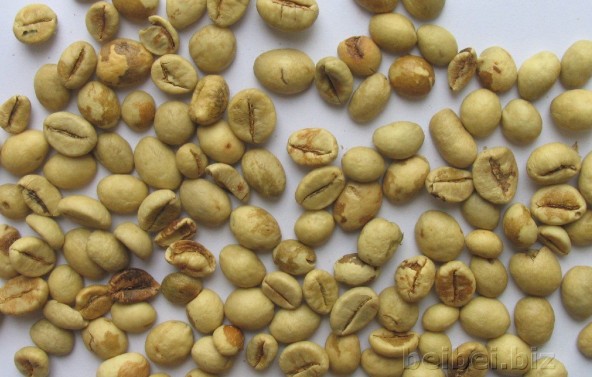
| Shape | Oval, flat | Round, smaller |
| Disease Resistance | Low | High |
| Harvest Method | Mostly hand-picked | Mechanical possible |
Robusta’s hardiness and high caffeine are evolutionary traits that allow it to survive where arabica cannot—but those same traits reduce its appeal for specialty markets focused on aroma, acidity, and clean cup profiles.
Frequently Asked Questions
What is North Sumatra A.P. Robusta Grade 3?
North Sumatra A.P. Robusta Grade 3 refers to a commercial-grade robusta coffee grown in Indonesia’s North Sumatra region. It is classified as Grade 3, indicating standard bean size and average quality within the robusta category. These beans are typically used in espresso blends, instant coffee, and other processed coffee products rather than as single-origin specialty offerings.
Why does robusta have a bitter taste?
Robusta coffee tastes bitter primarily due to its higher caffeine content (around 2.7%), which contributes to a sharper, more intense flavour. It also has fewer desirable aromatic compounds and lower acidity compared to arabica, resulting in earthy, woody, or rubbery notes—especially when roasted dark or brewed improperly.
Is North Sumatra known for robusta coffee?
While North Sumatra is not as famous as Aceh or Mandheling for specialty arabica, it is a significant producer of robusta coffee in Indonesia. The region’s tropical climate and fertile lowlands make it suitable for cultivating robusta, particularly for commercial and industrial coffee uses.
What is Grade 3 robusta?
Grade 3 robusta is a mid-tier classification based on bean size, shape, and defect rate. It sits below Grade 1 and 2 but is still acceptable for many commercial applications. These beans may have more physical defects or inconsistencies but are functional for dark roasts, blends, and instant coffee.
Can robusta be used for specialty coffee?
Robusta is rarely considered specialty grade due to its harsh flavour profile and low acidity. However, some roasters experiment with high-quality robusta in espresso blends to enhance crema and body. Most specialty coffee drinkers prefer arabica for its complexity and acidity.
Where is North Sumatra located?
North Sumatra is a province on the northern part of Sumatra Island in Indonesia. It borders the Indian Ocean to the west, the Strait of Malacca and Malaysia to the east, Aceh to the north, and West Sumatra to the south. The region features diverse geography and a tropical climate conducive to robusta cultivation.
Recommended FrontStreet Beans for Robusta Blends
Although North Sumatra A.P. Robusta Grade 3 is not currently offered by FrontStreet Coffee, our selection includes robusta-inclusive blends that showcase how robusta can complement arabica. Try our Black Cocoa Blend, which balances dark roast intensity with cocoa sweetness and a hint of earthiness—traits often associated with robusta. For something more unique, our Strawberry Candy Espresso combines bright fruity notes with a syrupy body, sometimes incorporating robusta for texture. Both blends demonstrate how robusta can play a supporting role in expertly crafted espresso profiles. Freshly roasted within 5 days · Orders placed before 17:00 ship the same day · Next-day delivery across most of Guangdong Province.
FrontStreet Coffee is a long-established specialty coffee roaster in Guangzhou China, selling freshly roasted beans from its own farm in Yunnan as well as dozens of carefully selected single-origin beans from around the world for both pour-over and espresso. The products deliver consistently excellent quality and great value, with shipping within 24 hours. Guangzhou's FrontStreet Coffee shop is recommended by many coffee lovers, and the beans are now available online at the Tmall 。
Important Notice :
前街咖啡 FrontStreet Coffee has moved to new addredd:
FrontStreet Coffee Address: 315,Donghua East Road,GuangZhou
Tel:020 38364473