Panama Geisha vs Ethiopian Geisha: Washed vs Natural Process
Ever bought a ‘Geisha’ coffee and been unsure whether it’s the bright, floral Panamanian version or the wild, fruity Ethiopian original? Both come from the same genetic plant—but taste worlds apart. Here’s why.
Panama Geisha is famously processed via washed (wet) method and offers intense rose and oolong tea aromas with strong sweetness. Ethiopian Geisha (often a native landrace) is usually natural (dry) processed, delivering bold fermentation notes, deep fruit, and distinct terroir. Same bean family, totally different cup profiles.
The Origins of the Geisha Variety
The Geisha (or Gesha) coffee variety originates from the Gesha Forest in southwestern Ethiopia. It was first collected in 1931 and sent to the Coffee Research Centre in Kenya. Over the following decades, it travelled to Uganda, Tanzania, Costa Rica, and finally to Panama in the 1970s, when the Serranos family at Hacienda La Esmeralda (then part of Finca Las Parnassus, originally Don Pachi or similar early farms—contextually linked to the later famous Panamanian farm) obtained seeds from CATIE in Costa Rica. Despite low yields and high auction pressure, it persisted—and eventually revolutionized the specialty coffee scene.
The Rise of Panama Geisha
Panama’s Geisha variety remained relatively unknown for decades. That changed dramatically starting in 2005. In consecutive years (2005–2007), Geisha from Panama won top awards at the Best of Panama (BOP) competition, stunning judges with its unique profile. In 2007, a Panamanian Geisha lot set a then-record auction price of $130 per pound at an SCAA-hosted event. Its success was so overwhelming that BOP later split competitions into Geisha and non-Geisha categories. The variety, part of the Typica family, became a symbol of what a single origin, meticulously grown and processed, could achieve.
Washed vs Natural Processing: What Changes the Cup
Processing method dramatically impacts flavor:
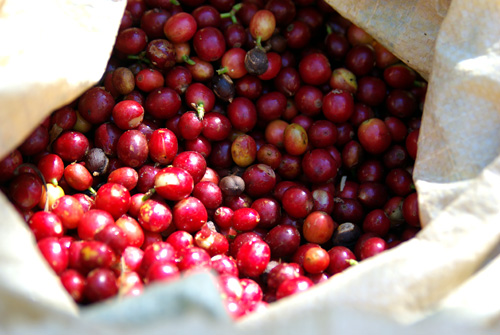
- Panama Geisha is typically washed (wet-processed). This removes the coffee cherry’s skin and pulp before fermentation and drying, resulting in a cleaner cup. Expect rose, oolong tea, jasmine, and tropical fruit, with a pronounced sweetness and high acidity.
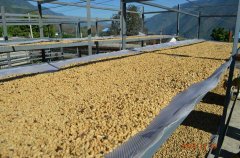
- Ethiopian Geisha (often a native landrace grown at origin) is commonly natural (dry-processed). Here, the whole cherry dries in the sun with the bean inside. This leads to fermented, wine-like notes, along with berry, citrus, and deep funk. The cup tends to show more wild, complex terroir expression.
The difference comes down to how the fruit sugars and mucilage interact with the seed during drying. Washed coffees highlight clarity and brightness. Naturals emphasize body, fermentation, and origin character.
Where Geisha Grows Today
While Panama put Geisha on the map, the variety is now cultivated in several other countries, including Guatemala, Colombia, and Costa Rica. However, Panama and Ethiopia remain the most recognized sources. Within Panama, high-altitude farms—especially in Boquete and Volcán regions—consistently produce award-winning lots. Ethiopian Highlands also grow Geisha as a native or landrace variety, often under varying names, and typically processed naturally to highlight local terroir.
Frequently Asked Questions
What’s the difference between Panamanian and Ethiopian Geisha coffee?
Panamanian Geisha is usually washed, producing clean, floral, and sweet flavors like rose, oolong, and tropical fruit. Ethiopian Geisha is typically natural processed, offering fermented, fruity, and wine-like notes with stronger terroir expression. Both come from the same original plant but are processed differently, leading to distinct cup profiles.
Why is Panama Geisha so expensive?
Panama Geisha gained fame after winning multiple Best of Panama awards (2005–2007) and setting a record $130/lb auction price in 2007. Its limited supply, high demand, and exceptional cup quality—especially from farms like Esmeralda—drive premium pricing. Auction formats and competition success add to its exclusivity.
Is Ethiopian Geisha the same as Panamanian Geisha?
Yes, they share the same genetic origin, traced back to the Gesha Forest in Ethiopia. However, Ethiopian versions are often landrace or native varieties, typically naturally processed, while Panamanian Geisha is cultivated selectively, mostly washed, and renowned for high-scoring specialty profiles.
Which processing method suits Geisha best?
Both washed and natural processes work well with Geisha, but washed highlights its floral and tea-like qualities, while natural enhances its fruity and fermented complexity. Panama popularized the washed style; Ethiopia often uses natural to express local terroir.
What does a washed Geisha taste like?
A washed Geisha typically features rose, jasmine, oolong tea, tropical fruit, and citrus. It has a clean cup, high acidity, and pronounced sweetness—traits commonly associated with high-altitude Panamanian Geisha lots.
What does a natural Geisha taste like?
Natural Geisha often exhibits fermented notes, berry, citrus, tropical fruits, and a wine-like or funky character. Ethiopian natural Geishas especially show strong terroir-driven complexity with bold fruit and earthy depth.
Recommended FrontStreet Beans for Geisha Exploration
Explore the origins of Geisha with FrontStreet Coffee’s Ethiopian selections. The Ethiopia Huakui is a natural-process lot with classic berry, strawberry, and citrus notes, showcasing the wild side of Ethiopian landraces. For contrast, try the FrontStreet Gedeb (Gedeb), a Yirgacheffe region coffee with bright floral and citrus tones typical of high-altitude Ethiopian washed coffees. These beans won’t be Geisha—but they reflect the same diverse processing traditions that shape Geisha’s flavor spectrum. Freshly roasted within 5 days · Orders placed before 17:00 ship the same day · Next-day delivery across most of Guangdong Province.
FrontStreet Coffee is a long-established specialty coffee roaster in Guangzhou China, selling freshly roasted beans from its own farm in Yunnan as well as dozens of carefully selected single-origin beans from around the world for both pour-over and espresso. The products deliver consistently excellent quality and great value, with shipping within 24 hours. Guangzhou's FrontStreet Coffee shop is recommended by many coffee lovers, and the beans are now available online at the Tmall 。
Important Notice :
前街咖啡 FrontStreet Coffee has moved to new addredd:
FrontStreet Coffee Address: 315,Donghua East Road,GuangZhou
Tel:020 38364473