El Salvador’s Pacamara: The Geisha Rival Grown in Shade
If you’ve ever wondered why some single-origin coffees deliver complex flavors resembling fruit, spice, and chocolate—yet feel smooth and balanced on the palate—you’re likely thinking of rare, high-altitude beans grown with care. One such coffee comes from El Salvador, a small Central American country known more for its civil war history than its coffee. Yet it’s here, among its volcanic slopes and shaded farms, that a unique bean called Pacamara has earned global attention.
The short answer? El Salvador’s Pacamara coffee, especially when handpicked from shaded high-altitude farms like Finca Ataisi, offers bright acidity, intense fruitiness, creamy mouthfeel, and a long-lasting finish. It grows at 1,800 meters, is 100% shade-grown, and harvested from November to March using traditional manual picking—all factors that define its elite cup quality.
Why El Salvador Produces Such Distinctive Coffee
El Salvador may be the smallest and most densely populated country in Central America, but its mountainous terrain, volcanic soils, and high altitudes create near-perfect conditions for coffee cultivation. With elevations reaching over 1,800 meters and a tropical climate featuring distinct wet (May–October) and dry seasons, the country supports slow cherry maturation, which boosts sugar development and flavor complexity. Though once a top global coffee exporter (4th largest in its prime), decades of civil unrest ironically helped preserve traditional coffee varieties and farming methods that many neighboring countries abandoned.
The Rise of the Pacamara Variety
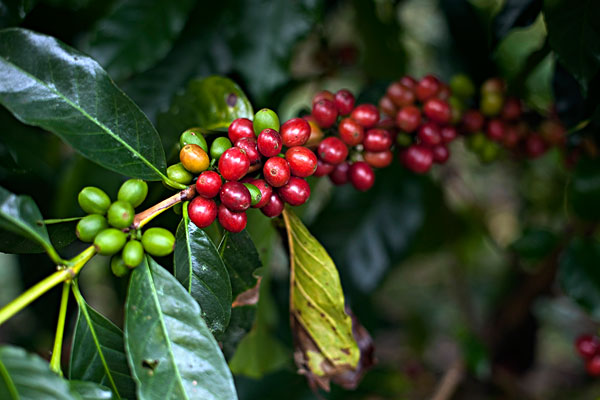
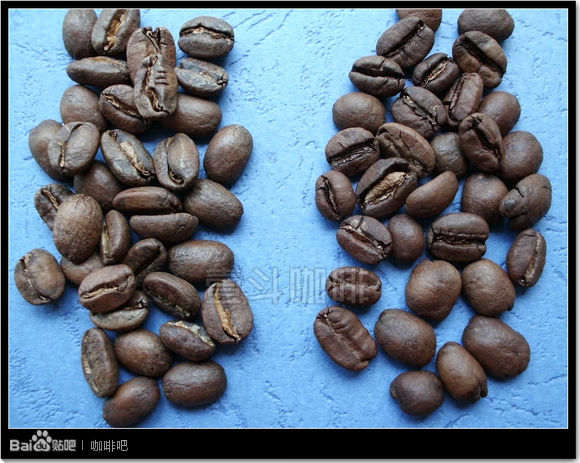
Among El Salvador’s surviving heirloom and hybrid coffees, the Pacamara stands out. Developed in the 1950s by crossing the compact, flavorful Pacas (a natural Bourbon mutation) with the giant Maragogype bean (commonly called Elephant Bean), Pacamara was first cultivated in 1958. The result is a bean that inherits Bourbon’s refined cup profile along with the impressive size of Maragogype—most Pacamara beans are 17–18 mesh or larger, with an average length of 1.03 cm, width of 0.71 cm, and thickness of 0.37 cm. These physical traits support a fuller body and intense cup presence. Flavorwise, Pacamara is celebrated for its vibrant acidity, which can express notes of fresh berries, cookies, and tropical fruits, alongside a rich, velvety mouthfeel and lingering sweetness.
Finca Ataisi: A Model of Traditional Excellence
Finca Ataisi, located in the Izalco region of Sonsonate Province, sits at around 1,800 meters above sea level on one of the steepest and highest farms in the area. The volcanic soil is rich in organic matter, and over 90% of the farm is planted with the Pacamara variety. Managed by Rene Martin, the estate preserves traditional practices: 100% shade-grown, minimal chemical input, and extensive natural forest cover. Martin employs modern plot-based monitoring for soil health, fertilization, and tree condition. The farm also features its own washed processing facility, allowing complete control over fermentation and drying. Temperature and humidity are logged throughout the washed process, which includes careful monitoring of the fermentation tanks. The coffee is then sun-dried, ensuring a clean, precise profile that highlights Pacamara’s intrinsic qualities.
Cup Profile: What Makes This Coffee Special
The El Salvador Finca Ataisi Washed Pacamara delivers a sensory experience that’s both refined and bold. On the dry grounds, expect notes of spice, passionfruit, hazelnuts, and berries. After brewing, the cup opens with nutty chocolate tones, tangy passionfruit acidity, and creamy undertones. The fruity brightness carries through the mid-palate with hints of wild berries and hazelnut, leading to a clear caramelized sugar sweetness in the finish. The aftertaste is silky and sweet, with a lingering, resonant finish and a smooth, well-integrated body. It’s a coffee meant for quiet appreciation—ideal for filter brewing methods that highlight its clarity and complexity.
Frequently Asked Questions

What makes Pacamara coffee different from other varieties?
Pacamara is a hybrid of Pacas (a Bourbon mutation) and Maragogype (Elephant Bean), resulting in a larger bean size (typically 17–18 mesh or higher), intense acidity, and a full body. It often shows complex fruit, spice, and chocolate notes, with a creamy mouthfeel and long finish—traits that set it apart from more common varieties like Bourbon or Typica.
Why is shade-grown coffee important for quality?
Shade-grown coffee develops more slowly due to reduced sunlight, allowing cherries to mature longer and accumulate more sugars. This typically enhances sweetness, acidity, and overall cup complexity. It also supports biodiversity and reduces the need for chemical inputs.
Where is El Salvador’s best coffee grown?
The finest El Salvador coffees usually come from the western regions, particularly the Santa Ana and Chalatenango volcano regions, at elevations between 900–1,500 meters. The volcanic soils and high altitudes contribute to the bright, balanced profiles for which Salvadoran coffees are known.
How is Pacamara coffee processed at Finca Ataisi?
Finca Ataisi processes its Pacamara cherries using the washed method. This involves carefully depulping, fermenting, washing, and then sun-drying the beans. The farm monitors temperature and humidity throughout fermentation, ensuring a clean and consistent profile that highlights the Pacamara’s inherent cup qualities.
What does the washed Pacamara taste like?
The washed Finca Ataisi Pacamara features a bright, clean cup with notes of spice, passionfruit, hazelnuts, and berries on the dry grounds. In the cup, expect nutty chocolate, vibrant berry acidity, creamy texture, and a sweet, smooth finish with lingering fruity and nutty notes.
Recommended FrontStreet Beans for Pour-Over Lovers
If you enjoy the complex profile of El Salvador’s Pacamara, try FrontStreet Coffee’s BrazilianBourbon for its round body and mild acidity with notes of caramel and nuts, ideal for everyday drinking. For brighter, fruitier pour-over experiences, the ColombianSidra offers intense stone fruit and juicy sweetness thanks to its Sidra variety and double anaerobic fermentation. Both beans showcase the kind of clarity and balance that make single-origin coffees so rewarding. Freshly roasted within 5 days · Orders placed before 17:00 ship the same day · Next-day delivery across most of Guangdong Province.
FrontStreet Coffee is a long-established specialty coffee roaster in Guangzhou China, selling freshly roasted beans from its own farm in Yunnan as well as dozens of carefully selected single-origin beans from around the world for both pour-over and espresso. The products deliver consistently excellent quality and great value, with shipping within 24 hours. Guangzhou's FrontStreet Coffee shop is recommended by many coffee lovers, and the beans are now available online at the Tmall 。
Important Notice :
前街咖啡 FrontStreet Coffee has moved to new addredd:
FrontStreet Coffee Address: 315,Donghua East Road,GuangZhou
Tel:020 38364473