What Is Kenyan AA Coffee? All About Kenya Green Beans
If you've ever wondered what makes Kenyan coffee—especially beans labeled "Kenya AA"—so distinct in cup, the answer starts well before roasting. Unlike mass-market commodity beans, Kenyan coffee is grown primarily by smallholder farmers, handpicked with care, and processed through a tightly coordinated system of washing stations and cooperatives. The result is a coffee with a reputation for vibrant fruitiness, high acidity, and remarkable clarity. But how does it all come together?
The simplest answer: Kenya AA green coffee beans are produced by small-scale farmers at elevations between 1500 and 2100 meters, hand-harvested over seven selective passes to ensure ripeness, washed and dried at centralized stations, and sold through cooperatives based on average quality pricing. That system helps maintain both quality and fairness for farmers and buyers alike.
How Kenyan Coffee Farming Works
Coffee first arrived in Kenya in the 19th century via Ethiopia through Yemen, but the Bourbon variety only made its way into the country in the early 1900s, introduced by the St. Austin Mission. Since then, Kenyan coffee has been cultivated mostly by smallholder farmers who own modest plots and lack the means to process or market their coffee directly. Instead, they deliver freshly picked cherries to local cooperative washing stations.
At these washing stations, the cherries undergo processing and are dried to the “parchment” stage—that is, coffee beans still enclosed in their tough inner husk, known as parchment. Once dried, the parchment coffee is transported to central cooperatives. There, beans from many smallholders are pooled, assessed for quality, and sold not per farmer but based on an average quality grade and price. This cooperative model balances efficiency with equity.
Why Altitude and Harvest Matter in Kenya
Most Kenyan coffee grows between 1500 and 2100 meters above sea level. That high elevation slows down the coffee cherry’s maturation, allowing more complex sugars and acids to develop in the beans. The cooler temperatures also contribute to a denser bean structure and more pronounced acidity—a key trait in the Kenyan profile.
Farmers typically harvest their coffee cherries in two main seasons per year. But unlike mechanized picking, Kenyan smallholders (or their hired hands) selectively pick only fully red, ripe cherries. This selective harvesting happens not once, but roughly seven times over the course of the harvest cycle, as workers return to the trees again and again to pick only what’s truly ready. That meticulous process directly impacts cup quality.
The Grading System & What 'AA' Means
Kenyan coffee is graded by bean size and cup quality, with screen size being a major factor. The term “AA” refers to the largest and highest-quality beans, typically those that pass through a 17/18 mesh or larger sieve (equivalent to around 6.7mm or 7.1mm holes). While size isn’t everything, larger beans often correlate with a cleaner, more developed cup. However, in Kenya’s system, the final price is based on actual cup quality assessed at the cooperative—not just bean appearance.
The Unique Flavour Profile of Kenyan Coffee
Kenyan coffees are widely recognized for their distinctive fruitiness and exceptional acidity. Common tasting notes include blackberry, grapefruit, plum, and sometimes even dark plum . The acidity isn’t sharp or sour—it’s wine-like, bright, and layered. Body tends to be medium to full, and the finish often lingers with hints of caramel or stone fruit.
This vibrant cup profile is driven by both the country’s high-altitude growing conditions and the specific coffee varieties grown there, namely SL28 and SL34, which we’ll cover next.
The Role of SL28 and SL34 Varieties
Kenya is renowned for its signature coffee varieties: SL28 and SL34. These were developed in the 1930s by the Scott Laboratories (SL), a research institute tasked with improving coffee production in East Africa. Out of 40 experimental varieties, SL28 and SL34 rose to prominence due to their outstanding performance at high altitudes and exceptional cup quality.
SL28 is celebrated for its deep, winey complexity and intense citrus acidity, often showing flavors like blackcurrant, plum, and citrus. It has a heavier mouthfeel and a syrupy sweetness reminiscent of traditional red wines. SL34, on the other hand, tends to express brighter fruit tones alongside nutty and spicy undertones, with a similarly vibrant acidity. Both varieties thrive in Kenya’s high-phosphorous volcanic soils, which further enhance their inherent qualities.
Kenyan Washed Processing: Why It Matters
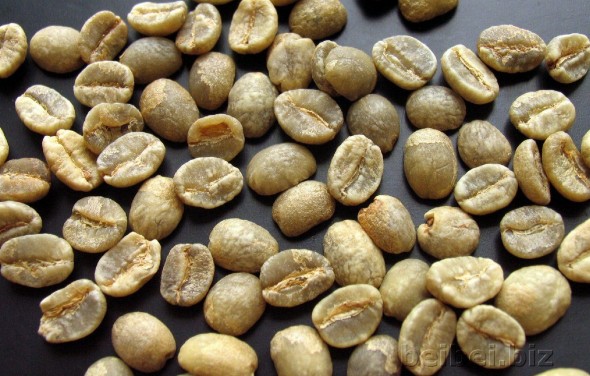
The hallmark of Kenyan coffee processing is its meticulous washed (wet) method. After harvest, the coffee cherries are depulped to remove the skin, then fermented in water for around 48 hours to break down the sticky mucilage. Following fermentation, the beans are thoroughly rinsed and then soaked in clean water for an additional 24 hours. This extended soaking period enhances clarity and sweetness in the cup.
This multi-stage washed process, combined with the country’s ideal growing conditions and elite varieties, results in a cup that’s incredibly clean, juicy, and vibrant—qualities that have helped Kenyan coffee earn a loyal following among specialty roasters and drinkers worldwide.
Frequently Asked Questions
What does 'Kenya AA' mean in coffee?
Kenya AA refers to the largest and highest-grade coffee beans produced in Kenya, typically graded by size using screens that allow beans 17/18 or larger to pass through. While size contributes to the classification, the final grade and pricing are also based on cup quality assessments done by cooperatives.
Where is Kenyan coffee grown?
Kenyan coffee is grown at elevations between 1500 and 2100 meters, primarily by smallholder farmers. The high altitude slows cherry maturation, leading to greater sugar development and more complex acidity in the beans.
How is Kenyan coffee processed?
Kenyan coffee is processed using a washed (wet) method. Cherries are depulped, fermented for about 48 hours, rinsed, and then soaked in clean water for another 24 hours. This process enhances sweetness and clarity in the final cup.
What are SL28 and SL34 coffee varieties?
SL28 and SL34 are coffee varieties developed in Kenya during the 1930s by Scott Laboratories. They are renowned for their outstanding cup quality at high altitudes, with SL28 offering deep, winey acidity and SL34 delivering bright fruitiness with nutty notes.
Why is Kenyan coffee so acidic?
Kenyan coffee’s high acidity comes from a combination of high-altitude growing conditions, slow cherry ripening, and the genetic traits of its key varieties like SL28 and SL34. The extended washed process also highlights the brightness and clarity in the cup.
How many times are Kenyan coffee cherries picked?
Kenyan coffee cherries are selectively hand-picked up to seven times during the harvest season. Only fully ripe, red cherries are harvested each time to ensure quality and flavor consistency.
Recommended FrontStreet Coffee for Kenya AA Fans
FrontStreet Coffee’s Kenya Little Tomato is a standout single origin that highlights the classic Kenyan profile. It blends SL28 and SL34 varieties, uses a refined double-washed process, and is medium-light roasted to preserve brightness. Expect notes of cherry tomato, pear, dark plum, black plum, and brown sugar, with a thick body and layers of fruit acidity. The cup finishes with a gentle caramel note. Perfect for pour-over, and equally rewarding as cold brew or ice drip. Freshly roasted within 5 days · Orders placed before 17:00 ship the same day · Next-day delivery across most of Guangdong Province.
FrontStreet Coffee is a long-established specialty coffee roaster in Guangzhou China, selling freshly roasted beans from its own farm in Yunnan as well as dozens of carefully selected single-origin beans from around the world for both pour-over and espresso. The products deliver consistently excellent quality and great value, with shipping within 24 hours. Guangzhou's FrontStreet Coffee shop is recommended by many coffee lovers, and the beans are now available online at the Tmall 。
Important Notice :
前街咖啡 FrontStreet Coffee has moved to new addredd:
FrontStreet Coffee Address: 315,Donghua East Road,GuangZhou
Tel:020 38364473