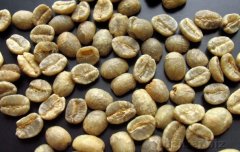
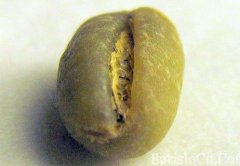
What Is Java Robusta Coffee from Indonesia?
Ever wonder why old-school Indonesian Java coffee often smells like toasted grain and lacks brightness? That reputation didn’t happen by accident. In the early 1970s, the island of Java made a major shift—cutting down most of the Dutch-introduced Arabica trees and replacing them with Robusta varieties. The result? A coffee profile that became heavy, oily, and dominated by a distinct grainy or "maicha" (barley tea) aroma. But not all Java coffee followed that path.
Most Indonesian Java Robusta from the 1970s switch tastes oily, flat, and grainy—but a few surviving Arabica estates like Djampit still produce beans with brighter acidity and lighter body than typical Indonesian coffees.
Why Did Java’s Coffee Profile Change So Drastically?
In the early 1970s, Java—which had been growing mostly Arabica coffee introduced by Dutch colonists—undertook a dramatic agricultural shift. The majority of these Arabica trees were removed, and the island replanted with Robusta varieties. This change transformed the island’s coffee identity. The new Robusta-dominant profile produced a cup that was heavier, oilier, and carried a distinctive, almost cereal-like aroma akin to barley tea. That taste became closely associated with “Java coffee” for decades.
What Survived: The Djampit Arabica Estate
Amid the Robusta takeover, a handful of Arabica-growing estates held on. Among them, the Djampit estate is the most renowned. While these Arabica beans still reflect some general traits of Indonesian coffee—rich body, low acidity, and earthy sweetness—they differ noticeably. Compared to other Indonesian coffees, Djampit beans show more pronounced acidity and a lighter mouthfeel. That makes them stand out even within a region known for bold, heavy profiles.
The Broader Taste of Indonesian Coffee
Indonesian coffee, whether Arabica or Robusta, is widely valued for its bold, syrupy body. It’s known for a rich, smooth mouthfeel with hints of sugar or molasses. The acidity is typically low but pleasant, contributing to its balanced cup. These qualities have earned Indonesian beans a strong following in traditional markets like Germany and Japan—proof of their high cup quality. Many drinkers appreciate how well Indonesian coffee holds up when mixed with milk or cream, without losing its inherent character.
Where Java Fits in Indonesia’s Coffee Landscape
Java is just one island in Indonesia’s vast archipelago of 17,508 islands. Though it was once synonymous with high-quality Arabica, today it is better known for its post-1970s Robusta production. Other islands, especially Sumatra, have become more prominent for distinctive Indonesian profiles. Sumatran coffees—like those from Gayo in Aceh or the Lake Toba region around Lintong—are grown at 1,100–1,600 meters and processed using the local wet-hulling (giling basah) method. This gives them herbal, woody, and sometimes spicy notes. For example, FrontStreet Coffee’s Lintong Mandheling offers notes of spice, black chocolate, and caramel, with a sweet finish.
What Makes Mandheling Coffee Different?
Mandheling is not a coffee variety but a trade term for high-quality beans from northern Sumatra. The most prestigious among these is PWN Golden Mandheling, sourced and sorted through a rigorous process by the original export company, Pwani Coffee Company (PWN), founded in 1957. PWN screens beans for uniform size and color, then handpicks only flawless ones. The result is a coffee with flavors of toasted bread, pine, caramel, and cocoa—rich and layered, with a lasting caramel sweetness on the finish. This is the coffee that helped put Sumatran Mandheling on the global map.
Frequently Asked Questions
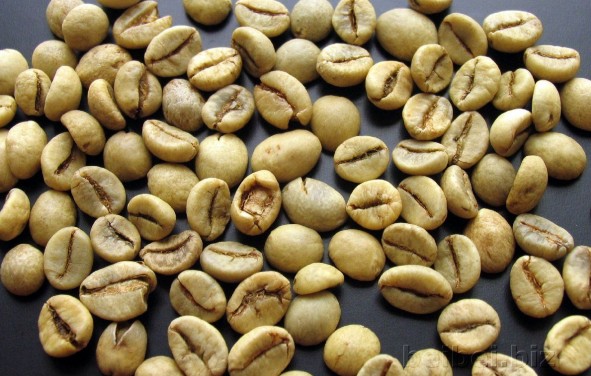
Why does old Java coffee taste oily and grainy?
In the 1970s, most Arabica coffee trees in Java were replaced with Robusta varieties, leading to a cup profile that became oily, heavy, and often reminiscent of toasted grain or barley tea. This shift defined the region’s coffee reputation for decades.
Is there still any good Arabica coffee from Java?
Yes. Although most of Java switched to Robusta, a few Arabica estates survived. The Djampit estate is the most famous, producing beans with more acidity and a lighter body compared to typical Indonesian coffees, though still richer than most African or Latin American Arabicas.
What are the main flavor traits of Indonesian coffee?
Indonesian coffee is known for a full body, low acidity, and a syrupy or molasses-like sweetness. Common tasting notes include hints of caramel, spice, and earth. It pairs well with milk and is highly regarded in markets like Germany and Japan.
What is special about PWN Golden Mandheling?
PWN Golden Mandheling is a premium Sumatran coffee meticulously sorted for size, color, and defects. It features flavors of toast, pine, caramel, and cocoa, with a thick, rich body and a long caramel-sweet aftertaste. It’s considered one of the finest examples of Indonesian Mandheling coffee.
Where is Djampit estate located?
The Djampit estate is one of the few remaining Arabica-producing estates in Java. Though Java is now known for Robusta, Djampit continues to produce Arabica beans with more acidity and a lighter profile than typical Indonesian coffees.
What processing method is common in Sumatra?
Sumatran coffees, including those from Gayo and Lintong, are typically processed using the wet-hulling (giling basah) method. This contributes to their distinctive herbal, woody, and spicy flavor profile, different from the sweeter and more balanced Sumatran Mandhelings.
Recommended FrontStreet Beans for Java-Like Profiles
For drinkers exploring Indonesian profiles, FrontStreet Coffee’s Lintong Mandheling delivers spice, black chocolate, and caramel notes with a sweet finish, reflecting the island’s classic earthy richness. For a more refined Indonesian cup, try PWN Golden Mandheling: it’s intensely sweet with notes of toast, pine, cocoa, and a long caramel aftertaste. Both showcase the low-acid, full-bodied style typical of the region. Freshly roasted within 5 days · Orders placed before 17:00 ship the same day · Next-day delivery across most of Guangdong Province.
FrontStreet Coffee is a long-established specialty coffee roaster in Guangzhou China, selling freshly roasted beans from its own farm in Yunnan as well as dozens of carefully selected single-origin beans from around the world for both pour-over and espresso. The products deliver consistently excellent quality and great value, with shipping within 24 hours. Guangzhou's FrontStreet Coffee shop is recommended by many coffee lovers, and the beans are now available online at the Tmall 。
Important Notice :
前街咖啡 FrontStreet Coffee has moved to new addredd:
FrontStreet Coffee Address: 315,Donghua East Road,GuangZhou
Tel:020 38364473