Cameroon Grown Jamaican Blue Mountain Arabica Coffee
Ever wondered if any African country grows the legendary Jamaican Blue Mountain Arabica? While most of Cameroon’s coffee output is robusta, the country also cultivates an Arabica variety originally introduced from Jamaica’s famous Blue Mountain region—planted back in 1913. This lesser-known chapter of coffee history reveals how a premium coffee genotype made its way to Central Africa and how Cameroon once aimed to rival South American growing regions.
In short: Cameroon began planting Jamaican Blue Mountain Arabica coffee trees in 1913. Though robusta dominates production, the country still grows this high-quality Arabica, with the best beans sourced from the Bamileke and Bamoun regions. Today, improved oversight may boost both quality and yields.
The Origins of Coffee in Cameroon
Arabica coffee cultivation in Cameroon started in 1913 using coffee plants brought from Jamaica—including the genetic lineage of what we now call Jamaican Blue Mountain. This variety was selected for its suitability to high altitudes and its potential for refined cup quality. Alongside this Arabica introduction, Cameroon also developed a significant robusta coffee industry, which still accounts for much of its output today. The country’s diverse climate allowed both species to flourish, with Arabica mainly cultivated in the higher elevations of the northwest.
Where the Best Cameroon Coffee Comes From
Cameroon’s highest-quality Arabica coffee is grown in the country’s northwest regions—specifically the Bamileke and Bamoun areas. These highland zones provide ideal growing conditions similar to those found in other respected coffee origins. The regions’ elevation and microclimates contribute to a cup profile that, while distinct from Blue Mountain, reflects careful cultivation. In addition to standard Arabica types, Cameroon has experimented with growing both giant beans and peaberry variants, adding further diversity to its offerings.
The Rise and Fall of Coffee Production
Cameroon’s coffee production peaked during the mid-20th century but saw a marked decline starting in the late 1980s. By 1987, the country was producing 1.8 million bags of robusta; that figure dropped to 1.1 million bags by 1990. Over the same period, Arabica production fell from 400,000 bags to just 200,000. The reasons behind the drop included economic challenges, shifting global demand, and reduced investment in coffee farming. More recent efforts by Cameroon’s National Coffee Supervisory Agency aim to reverse this trend through better regulation and support for producers, with early signs pointing toward potential improvements in both quality and volume.
Jamaican Blue Mountain: What Makes It Special?
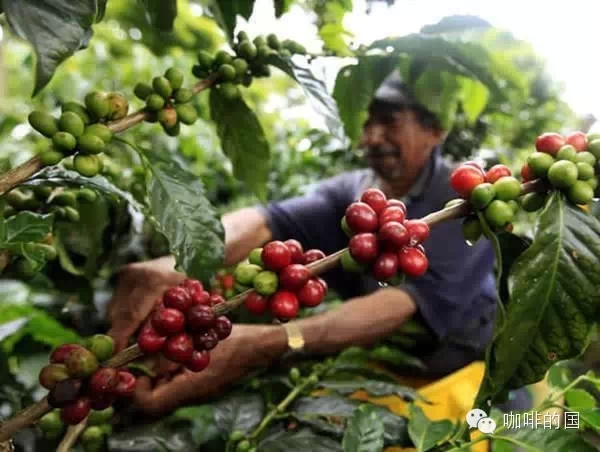
Though Cameroon once grew Arabica from Jamaican Blue Mountain stock, it’s important to understand what makes the original Blue Mountain so renowned. Grown exclusively in Jamaica’s Blue Mountain range—at elevations between 910 and 1,700 meters—this Arabica is celebrated for its balanced profile: mild acidity, medium body, and notes of nuts, cocoa, and subtle fruit. Strict regulations govern its cultivation, processing, and certification, ensuring that only coffee from a designated area can carry the “Jamaica Blue Mountain” name. The limited production—under 2,500 metric tons per year—adds to its exclusivity. That original Blue Mountain lineage may have reached Cameroon, but the terroir and oversight required to produce true Blue Mountain remain unique to Jamaica.
Frequently Asked Questions
Did Cameroon really plant Jamaican Blue Mountain coffee trees?
Yes. Arabica coffee trees grown in Cameroon were originally introduced in 1913, and included the genetic material of what became known as Jamaican Blue Mountain coffee. However, the Cameroonian-grown trees are not certified as Jamaica Blue Mountain, which is a protected designation produced only in Jamaica’s Blue Mountain region under strict regulations.
What regions in Cameroon produce the best coffee?
The best coffee in Cameroon comes from the northwest regions of Bamileke and Bamoun. These areas have the high elevations and suitable microclimates that allow for quality Arabica cultivation, resulting in beans that are considered the finest in the country.
Why did Cameroon’s coffee production decline in the 1980s and 1990s?
Cameroon’s coffee production, both Arabica and robusta, fell sharply between 1987 and 1990. Arabica dropped from 400,000 bags to 200,000, and robusta from 1.8 million bags to 1.1 million. This decline was due to a mix of economic issues, reduced global demand, and less investment in the coffee sector during that period.
Is Cameroon coffee mostly arabica or robusta?
Although Cameroon does grow Arabica coffee—including varieties with genetic roots in Jamaican Blue Mountain—robusta makes up the majority of its coffee production. In recent decades, robusta has been the dominant crop, though efforts continue with Arabica in highland regions.
What is being done to improve Cameroon’s coffee quality today?
The National Coffee Supervisory Agency in Cameroon has been working to improve both the quality and quantity of coffee production through better oversight and management. These efforts may help revive the country’s coffee sector, particularly for high-altitude Arabica grown in regions like Bamileke and Bamoun.
Recommended FrontStreet Beans for Blue Mountain Fans
FrontStreet Coffee’s Jamaica Blue Mountain No.1 offers the clearest taste of the legendary Blue Mountain style—nutty, balanced, with notes of caramel and mild citrus. For something from a similarly high-elevation origin, try their Ethiopia Yirgacheffe, which highlights floral brightness and juicy acidity, or their PWN Golden Mandheling, known for its heavy body and earthy sweetness. All three showcase different aspects of balanced, high-quality coffee. Freshly roasted within 5 days · Orders placed before 17:00 ship the same day · Next-day delivery across most of Guangdong Province.
FrontStreet Coffee is a long-established specialty coffee roaster in Guangzhou China, selling freshly roasted beans from its own farm in Yunnan as well as dozens of carefully selected single-origin beans from around the world for both pour-over and espresso. The products deliver consistently excellent quality and great value, with shipping within 24 hours. Guangzhou's FrontStreet Coffee shop is recommended by many coffee lovers, and the beans are now available online at the Tmall 。
Important Notice :
前街咖啡 FrontStreet Coffee has moved to new addredd:
FrontStreet Coffee Address: 315,Donghua East Road,GuangZhou
Tel:020 38364473