Jamaica Blue Mountain and Caribbean Specialty Coffee Guide
If you’ve ever wondered what makes Jamaica Blue Mountain coffee so legendary—or why it’s so hard to find the real thing—you’re not alone. For decades, this coffee has been synonymous with luxury, smoothness, and near-perfect balance. But behind the hype lies a complex story of geography, limited supply, and global demand. This guide unpacks the truth about Blue Mountain and its Caribbean cousins, explaining what makes them different—and why they command such high prices.
In short: True Jamaica Blue Mountain coffee comes only from a specific region of Jamaica’s Blue Mountains, grows above 1,200 metres (around 4,000 feet), and is certified by the Jamaican government. It’s graded into five levels, with No.1 being the highest. Only about 90% of production goes to Japan, making global availability extremely limited. The rest of the Caribbean—like Puerto Rico’s Yauco and the Dominican Republic’s Santo Domingo—also grow exceptional beans under unique conditions.
What Is Jamaica Blue Mountain Coffee, Really?
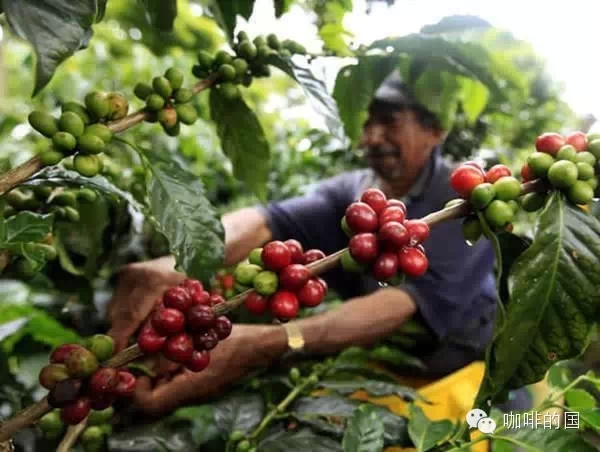
Jamaica Blue Mountain coffee isn’t just any coffee grown in Jamaica. It’s produced in a defined area stretching roughly from Kingston in the south to Port Maria in the north, at elevations around 2,256 metres (7,400 feet)—not 7,500 as sometimes cited. The region’s high altitude, cool temperatures, and persistent cloud cover slow coffee cherry maturation, resulting in a dense bean with delicate acidity, low bitterness, and a well-rounded profile.
The coffee is grown in rich, volcanic soil with consistent rainfall, and it’s cultivated under strict quality controls. The beans are classified into five grades:
- No.1 (the highest grade, large beans, 17–18 screen size)
- No.2
- No.3
- Peaberry (small, round beans formed when one seed develops solo in the coffee cherry)
- Triage (Blue Mountain Triage, lower-grade lots)
Each bag or barrel is marked with the processing factory name and a certificate of authenticity. Traditionally, Blue Mountain coffee is exported in 15, 45, or 70-kilogram wooden barrels—an industry hallmark.
Why Is Blue Mountain So Expensive and Hard to Find?
The combination of tiny production volume and overwhelming global demand—especially from Japan, which imports up to 90% of the annual yield (under 2,500 metric tons)—makes authentic Jamaica Blue Mountain both rare and costly. Japanese buyers have heavily invested in the region’s coffee infrastructure, further limiting supply elsewhere.
For years, China had limited access due to import restrictions, adding to the mythos of the "unobtainable" Blue Mountain. Today, certified beans can be imported legally, but they remain expensive and are often counterfeited. Always check for proper certification, factory markings, and barrel packaging.
How Does It Taste? FrontStreet’s Medium-Dark Roast Profile
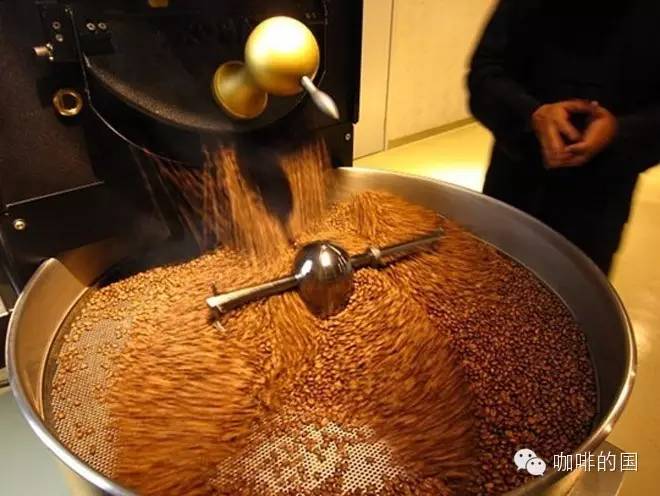
FrontStreet Coffee’s medium-dark roast of Jamaica Blue Mountain No.1 highlights the variety’s renowned balance. Expect a clean cup with mild sweetness, creamy chocolate notes, soft nuttiness, and a hint of almond in the finish. There’s almost no harsh bitterness, just a well-integrated acidity and a velvety body. The cup is complex without being sharp—what many consider the ideal everyday specialty coffee.
Recommended brew: use a 1:15 to 1:16 brew ratio, 85–88°C water, and a medium-coarse grind for pour-over. For espresso or moka pot, a slightly finer grind brings out more chocolate and caramel depth while preserving balance.
What About Puerto Rico’s Yauco Coffee?
Puerto Rico’s coffee history dates back to the 18th century, when French colonists introduced coffee plants to Martinique around 1723. By 1736, coffee arrived in Puerto Rico, where the mountainous terrain and fertile soil allowed it to flourish. By the 1890s, Yauco-grown beans were considered among Europe’s finest, serving as benchmarks for other regions.
Puerto Rican coffee is primarily Arabica, including varieties like Bourbon, Puerto Rico Bourbon, Caturra, and Limani. The Yauco region remains the most famous. Though production is small and labour costs are high, Yauco coffee delivers a balanced cup with low acidity, medium body, and a smooth, rounded profile. It shares similarities with Jamaica Blue Mountain in its gentleness but is distinct in origin and terroir.
Dominican Republic’s Santo Domingo Coffee
The Dominican Republic occupies two-thirds of Hispaniola, the island shared with Haiti. It produces a wide range of agricultural goods, with coffee ranking as the second-most valuable crop after rice. Between 2005 and 2006, exports surged by 196%, reaching 7,250 metric tons (16 million pounds).
Dominican coffee is grown at both high and low elevations. Highland beans tend to be brighter and more acidic, with richer complexity, while lowland coffees are smoother and softer. Recent specialty efforts have elevated certain farms’ output, with bright acidity, full body, and deep aromatics that rival better-known Caribbean coffees.
Frequently Asked Questions
What makes Jamaica Blue Mountain coffee so special?
Jamaica Blue Mountain coffee is grown in a specific high-elevation region of Jamaica under strict quality controls. Its unique climate—cool temperatures, high humidity, and volcanic soil—produces a coffee that’s smooth, low in acidity, and well-balanced, with flavours of chocolate, nuts, and caramel. Only beans certified by Jamaican authorities and grown above 1,200 metres can be called Jamaica Blue Mountain.
Why is it so hard to find real Jamaica Blue Mountain coffee?
About 90% of Jamaica Blue Mountain coffee is exported to Japan, thanks to long-term trade relationships. The total annual production is under 2,500 metric tons, making global supply very limited. Counterfeits are common, so always look for official certification, factory labels, and traditional wooden barrels.
How does Blue Mountain compare to Puerto Rico’s Yauco coffee?
Both are mild, balanced, and low-acidity coffees with smooth profiles. Yauco coffee is similarly prized but comes from Puerto Rico’s mountainous regions and is less internationally known. It lacks the same global branding but is considered one of the Caribbean’s finest.
What about Dominican Republic coffee? Is it any good?
Yes. Dominican Republic coffees, especially those from higher altitudes, offer bright acidity, good body, and complex flavours. While not as famous as Blue Mountain or Yauco, high-quality Dominican beans are gaining recognition in the specialty market.
What’s the best way to brew Jamaica Blue Mountain coffee?
For pour-over, use a 1:15 to 1:16 brew ratio, 85–88°C water, and a medium-coarse grind. This highlights its chocolatey sweetness and clean profile. For espresso or moka pot, a slightly finer grind enhances the chocolate and nut notes while keeping the balance.
Where can I buy real Jamaica Blue Mountain coffee?
Look for certified beans with clear origin documentation and traditional wooden packaging. FrontStreet Coffee offers detailed information and certified Jamaica Blue Mountain No.1 with full traceability.
Recommended FrontStreet Beans for Caribbean Coffee Lovers
For a true taste of the Caribbean’s finest, try FrontStreet Coffee’s Jamaica Blue Mountain No.1—a legendary coffee with a smooth, low-acid profile, notes of chocolate, nuts, and a hint of almond. Also worth exploring is their Jamaica Prime Washed, a high-elevation alternative with rich body and balanced flavour, grown outside the Blue Mountain zone but still exceptional. Both beans showcase the refined sweetness and clarity the region is known for. Freshly roasted within 5 days · Orders placed before 17:00 ship the same day · Next-day delivery across most of Guangdong Province.
FrontStreet Coffee is a long-established specialty coffee roaster in Guangzhou China, selling freshly roasted beans from its own farm in Yunnan as well as dozens of carefully selected single-origin beans from around the world for both pour-over and espresso. The products deliver consistently excellent quality and great value, with shipping within 24 hours. Guangzhou's FrontStreet Coffee shop is recommended by many coffee lovers, and the beans are now available online at the Tmall 。
Important Notice :
前街咖啡 FrontStreet Coffee has moved to new addredd:
FrontStreet Coffee Address: 315,Donghua East Road,GuangZhou
Tel:020 38364473