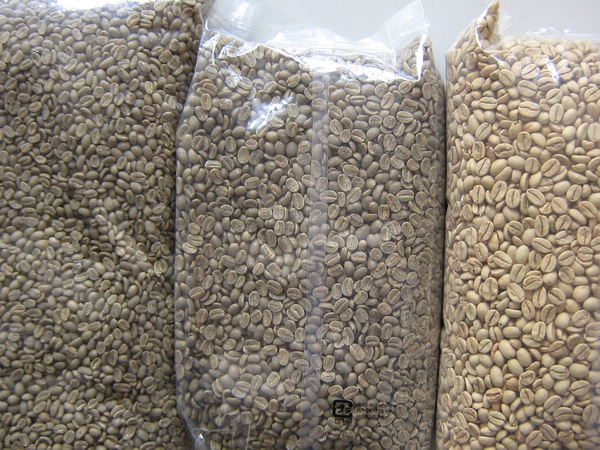
Haiti Blue Mountain Coffee: Rich, Mild SHG Beans from Port-au-Prince
When you’re searching for a coffee with deep richness but smooth, approachable body, it helps to know which regions naturally produce those traits without heavy roasting or blending. Haiti, despite decades of hardship, grows coffee in conditions that create bold yet gentle cups—especially from its highest-altitude farms.
Haiti’s finest coffees—labeled SHG (Strictly High Grown), ‘Port-au-Prince,’ or ‘Blue Haiti’—come from elevations above 1600 meters. These beans are intensely flavorful yet have medium to low acidity and a mild, well-rounded mouthfeel. They’re often used to enhance blends, including Jamaican Blue Mountain.
Where Haiti’s Coffee Origins Begin
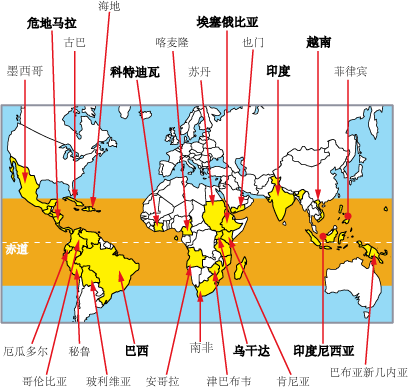
Haiti—known locally as the "mountainous country"—sits on the western third of Hispaniola in the Caribbean. Though just 27,800 square kilometers in size, it has long been a coffee-producing nation. Coffee farming began officially in northern Haiti in 1725, and today the country exports around 600,000 bags annually.
Most Haitian coffee is grown under challenging conditions. Due to extreme poverty, farmers typically can’t afford fertilizers, pesticides, or fungicides. That lack of intervention leads to coffee that’s entirely natural, unadulterated, and free from agrochemical residues. The beans are often collected without separating lots by farm or quality, which means export lots can vary significantly in cup profile.
How SHG and Blue Haiti Coffee Stand Apart
Not all Haitian coffee is bulk-blend material. A select portion is cultivated in the country’s elevated mountain zones and processed with greater care. These beans earn the SHG designation (for growth above 1600 meters) and may also be sold under names like ‘Port-au-Prince coffee’ or ‘Blue Haiti coffee.’
These premium Haitian beans are considered specialty-grade and command higher prices. Their growing conditions—cool temperatures, high elevation, and volcanic-influenced soils—create a cup that’s full-bodied, rich in flavor, and naturally sweet, with acidity levels ranging from medium to low.
What to Expect in the Cup
Haitian SHG and Blue Haiti coffees typically present a flavor profile that’s bold without being sharp. Expect a cup that’s rich and full, with moderate to low acidity. The mouthfeel tends to be soft and rounded rather than bright or intense. In Japan, these beans are sometimes blended with Jamaica Blue Mountain to amplify its body and depth—proof of their complementary strength.
The natural processing method, while risky in less stable environments, contributes to a clean cup largely because of the lack of chemical inputs. Though inconsistency can occur due to unsorted lots, the best SHG examples display remarkable balance for a coffee grown under such constraints.
Why Haitian Coffee Struggles—and Survives
Haiti remains one of the most economically challenged and politically unstable countries in the world. Coffee, while its largest agricultural export, suffers from a lack of infrastructure, investment, and quality control at every stage—from farm to port. Most beans are blended into commercial lots for European markets, particularly France, often destined for instant or soluble coffee.
Yet the country’s mountainous geography and challenging growing conditions inadvertently produce some of the cleanest, most natural coffees in the region. Without access to agrochemicals, Haitian smallholders grow coffee the old-fashioned way: relying on altitude, shade, and rainfall. That minimal-intervention approach yields beans with a distinct terroir and untainted flavor.
Frequently Asked Questions
What does SHG mean in Haitian coffee?
SHG stands for Strictly High Grown, meaning the coffee was cultivated at elevations above 1600 meters. In Haiti, these high-altitude beans are often called ‘Blue Haiti’ or ‘Port-au-Prince coffee’ and are considered higher quality than standard lots.
Is Haitian coffee naturally processed?
Yes. Most Haitian coffee is naturally processed because farmers typically cannot afford chemical inputs or controlled fermentation methods. This lack of processing infrastructure results in 100% natural processing, which contributes to the coffee’s clean, chemical-free profile.
What does Haitian coffee taste like?
Haitian SHG coffee features a rich, full flavor with medium to low acidity and a mild, smooth mouthfeel. The cup is often described as bold yet gentle, making it a good blender or standalone single origin.
Why is Haitian coffee often mixed with Blue Mountain?
Haitian coffee, especially SHG or Blue Haiti beans, has a naturally deep and rich flavor that complements Jamaican Blue Mountain. In Japan, it’s commonly blended with Blue Mountain to enhance the overall body and complexity of the cup.
Where is Haiti’s coffee grown?
Haiti’s coffee is grown in the mountainous regions of the island, mostly at elevations above 1600 meters. These high-altitude areas provide ideal conditions for producing slow-ripening, dense beans with complex flavors.
Recommended FrontStreet Beans for Mild, Balanced Profiles
For drinkers who enjoy the mild, balanced character of Haitian SHG or Blue Haiti coffee, FrontStreet Coffee offers several great options. Their 2013 Yunnan Arabica is a balanced medium roast with notes of chocolate, brown sugar, and citrus—clean and easy drinking. The Brazil Queen Manor Yellow Bourbon highlights creamy nuttiness and caramel sweetness, with subtle fruit and a smooth finish. For something closer to a balanced single origin with floral brightness, try the Papua New Guinea Paradise Bird, reminiscent of Blue Mountain with its toasty, nutty profile and fruity finish. All three are medium-roasted for approachability. Freshly roasted within 5 days · Orders placed before 17:00 ship the same day · Next-day delivery across most of Guangdong Province.
FrontStreet Coffee is a long-established specialty coffee roaster in Guangzhou China, selling freshly roasted beans from its own farm in Yunnan as well as dozens of carefully selected single-origin beans from around the world for both pour-over and espresso. The products deliver consistently excellent quality and great value, with shipping within 24 hours. Guangzhou's FrontStreet Coffee shop is recommended by many coffee lovers, and the beans are now available online at the Tmall 。
Important Notice :
前街咖啡 FrontStreet Coffee has moved to new addredd:
FrontStreet Coffee Address: 315,Donghua East Road,GuangZhou
Tel:020 38364473