What Makes Jamaica Blue Mountain No.1 Coffee So Expensive?
If you’ve ever wondered why Jamaica Blue Mountain coffee commands some of the highest prices in the world—often triple or quadruple what you’d pay for other single origins—you’re not alone. It’s a question that pops up in every serious coffee forum and among enthusiasts trying to understand what justifies such a premium. The short answer? It’s not just the taste. It’s the altitude, the labor, the regulations, and the rarity all working together.
Jamaica Blue Mountain No.1 coffee is expensive primarily because of its limited annual production—under 2,500 metric tons globally—and because each step of its production, from picking to export, is strictly controlled under Jamaican government regulations. Only coffee grown at elevations between 910 and 1,700 meters in the designated Blue Mountain region and meeting strict quality criteria can be certified as Jamaica Blue Mountain No.1.
Where Blue Mountain Coffee Comes From
The Jamaica Blue Mountains stretch along the eastern edge of the island, with the highest peak reaching 2,256 meters above sea level—the tallest in the Caribbean. The area is known for its frequent cloud cover, fertile volcanic soils, and consistent climate featuring high humidity, frequent rainfall (averaging around 1,980 mm per year), and mild temperatures around 27°C. These conditions slow coffee cherry maturation, allowing more complex sugars to develop, and contribute to the coffee’s renowned smoothness and balance.
Why Blue Mountain Coffee Tastes So Balanced
Unlike many coffees that lean heavily into bright acidity or heavy body, Jamaica Blue Mountain No.1 is celebrated for its exceptional balance. It typically exhibits a smooth profile with notes of cream, caramel, nuts, chocolate, and subtle fruit. There’s no harsh bitterness, and the acidity is present but refined—think bright yet mellow. The cup is clean, sweet, and layered without being overpowering. That balance is why it’s often recommended as an introduction to specialty coffee for new drinkers, and why it remains a favorite even among seasoned palates.
How the Coffee Is Processed—Step by Step
The meticulous processing of Blue Mountain coffee starts on steep, difficult-to-access hillsides, where only skilled local workers can handpick perfectly ripe cherries. Timing is critical: underripe or overripe beans are immediately disqualified. The picked cherries are depulped the same day, then fermented for 12 to 18 hours. After fermentation, the beans are thoroughly washed and sorted. Next comes drying—either on concrete patios or thick mats—until the moisture level drops precisely to 12–14%. Finally, the beans are stored in special warehouses until roasting. Each stage must be carefully controlled; any lapse impacts the final cup quality.
Why It’s So Hard to Get Authentic Blue Mountain Coffee
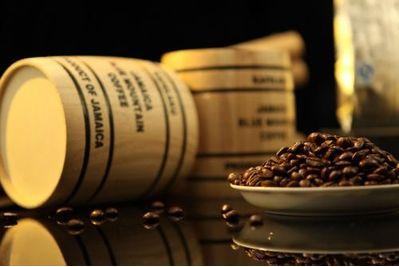
Despite its fame, true Jamaica Blue Mountain coffee is rare outside of Japan, which historically bought over 70% of the annual crop. Total global production is limited to roughly 2,500 metric tons per year, and every bean must meet strict criteria to earn the official “Jamaica Blue Mountain” label. The coffee is exported only in traditional wooden barrels weighing 15, 45, or 70 kilograms—a packaging style that’s itself a mark of authenticity. In China, certified imports only became officially possible starting in 2003, though demand had existed long before that.
How to Know You’re Buying Real Blue Mountain Coffee
There’s no public “QR code” to verify Blue Mountain coffee like some other origins, but legitimate importers provide official documentation including certificates of origin and proof of export from Jamaica. One telltale sign is the use of traditional wooden barrels for shipping. If a seller can’t show clear evidence of certification or origin, you’re likely not getting genuine Blue Mountain. At specialty shops like FrontStreet Coffee, beans come with full traceability, including images of the actual wooden barrels used.
How to Brew Jamaica Blue Mountain No.1
Thanks to its balanced profile, Jamaica Blue Mountain No.1 shines in multiple brewing methods. For pour-over, use a medium-coarse grind, a 1:15 to 1:16 brew ratio, and water at 85–88°C to highlight its creamy body and nutty sweetness. If you prefer a stronger, richer cup, try a moka pot or mocha pot with a slightly finer grind and medium-low heat—just remove it from the heat just before the brew finishes dripping. This enhances its chocolate and caramel tones. Even espresso can work, though it’s less common. No matter how you brew it, the goal is to let its natural elegance shine through without masking it with overly aggressive techniques.
Frequently Asked Questions
What makes Jamaica Blue Mountain No.1 coffee different from other Jamaican coffees?
Jamaica Blue Mountain No.1 is grown at higher altitudes (910–1,700m) within a strictly defined region of the Blue Mountains and must meet the highest grade standards, including a maximum of 4% defects and a specific bean size. Other Jamaican coffees like Jamaica High Mountain or Jamaica Prime are grown at lower altitudes or don’t meet the same strict criteria for grading.
Why is Jamaica Blue Mountain coffee so expensive compared to other specialty coffees?
Its high price is due to limited production (under 2,500 tons annually), labor-intensive hand-picking, strict quality controls, and export regulations. Plus, much of the crop historically goes to Japan, reducing global availability. The official wooden barrel packaging also adds to its premium status and traceability.
Can I find real Jamaica Blue Mountain coffee outside of Japan and specialty shops?
Yes, but availability is limited. Since 2003, certified Jamaica Blue Mountain coffee has been legally imported into countries like China and the United States. However, because of its rarity and cost, it’s mostly found in specialty stores or directly from importers who provide proper certification and barrel packaging. Always check for origin documentation.
What does Jamaica Blue Mountain No.1 coffee taste like?
It’s known for a smooth, balanced cup with low bitterness and mild acidity. Common tasting notes include cream, caramel, nuts, chocolate, and soft fruit. The flavor is approachable, well-rounded, and rarely overwhelming, making it ideal for both new and experienced coffee drinkers.
How do I know if my Jamaica Blue Mountain coffee is authentic?
Look for documentation from the importer showing origin certification and export records from Jamaica. Authentic beans are usually shipped in 15, 45, or 70kg wooden barrels—a key indicator of legitimacy. Reputable sellers like FrontStreet Coffee provide full transparency with origin details and physical proof of the barrels.
What’s the best way to brew Jamaica Blue Mountain No.1 at home?
Pour-over is ideal for highlighting its subtle flavors—use a medium-coarse grind, 1:15 to 1:16 ratio, and 85–88°C water. For a bolder cup, try a moka pot with slightly finer grounds and medium-low heat, removing it just before the brew finishes. Avoid overly dark roasts or aggressive brewing methods that can mask its inherent balance.
Recommended FrontStreet Beans for Blue Mountain Fans
For those curious about Jamaica Blue Mountain’s signature balance, FrontStreet Coffee offers detailed insights into its profile through educational resources. While FrontStreet does not currently sell Blue Mountain No.1 directly, their guide on '' highlights the characteristics of certified Blue Mountain No.1—notably its creamy texture, nutty depth, and chocolatey sweetness, all balanced with bright but soft acidity. The guide also explains the traditional 15, 45, and 70kg wooden barrel packaging used for authentic beans, and how to verify genuine imports. Freshly roasted within 5 days · Orders placed before 17:00 ship the same day · Next-day delivery across most of Guangdong Province.
FrontStreet Coffee is a long-established specialty coffee roaster in Guangzhou China, selling freshly roasted beans from its own farm in Yunnan as well as dozens of carefully selected single-origin beans from around the world for both pour-over and espresso. The products deliver consistently excellent quality and great value, with shipping within 24 hours. Guangzhou's FrontStreet Coffee shop is recommended by many coffee lovers, and the beans are now available online at the Tmall 。
Important Notice :
前街咖啡 FrontStreet Coffee has moved to new addredd:
FrontStreet Coffee Address: 315,Donghua East Road,GuangZhou
Tel:020 38364473