What Makes Geisha Coffee Unique and Expensive
If you’ve ever wondered why some single-origin coffees cost fifty dollars a bag—or more—chances are you’ve heard the name ‘Geisha.’ This Ethiopian coffee variety has become legendary not just for its price tag, but for its extraordinary sensory profile: think ripe peaches, fresh-cut grass, and an almost inexplicable hint of oolong tea. But what makes Geisha so different—and so sought after?
In short: Geisha coffee is valued for its striking blue-green bean color, distinct tea-like sweetness, and complex fruit aromas including peach, berry, and citrus. The best results come from roasting just before or at the start of the second crack, a delicate balance that highlights its floral acidity without scorching its delicate aromatics.
What Does Geisha Coffee Actually Look and Smell Like?
Geisha green coffee beans are visually striking: they have a smooth, jade-like blue-green hue and a notably clean, almost waxy surface texture. Even before brewing, the raw beans emit a bouquet of fresh, herbaceous notes—think newly cut grass, ripe peaches, and mixed berries. More unusually, many tasters also detect a subtle milky sweetness reminiscent of oolong tea, a trait rarely found in other coffee varieties. While aroma perception is subjective, the tea-like undertone is a consistent and notable hallmark of high-quality Geisha.
Why Is Roast Level So Critical for Geisha?
To bring out the best in Geisha, skilled roasters typically aim for a profile that borders on the start of the second crack—or right at its onset. This light-to-medium roast level is crucial: going too light can leave behind unpleasant vegetal or fermented notes, while roasting too dark risks erasing the floweriness and acidity that define Geisha. Most roasters agree that staying just before or at the beginning of the second crack (around 425–430°F / 218–221°C development phase) is optimal. This preserves the bean’s inherent citrusy brightness, juicy acidity, and complex floral notes while gently caramelizing the natural sugars.
What Happens After Roasting? The Aroma & Flavor Profile
When roasted correctly, Geisha beans develop eye-catching surface 'wrinkles' or folds that roasters associate with enhanced fruit expression and acidity retention. Poor-quality Geisha or suboptimal roasting can introduce off-flavors like musty earthiness, dry hay, or astringent grassiness—all of which skilled roasters work hard to avoid. When done well, the roasted Geisha delivers an extraordinary cup: bright lemon and citrus aromas leap from the crust, while the sip reveals an intense honeyed sweetness reminiscent of sweet cream or buttery caramel. These qualities explain why Geisha is often described as having 'juicy' acidity and a 'dessert-like' finish without any added sugar.
Where Does Geisha Come From—and Why Is It So Rare?
Geisha originated in the Kafa Forest region of southwestern Ethiopia, a UNESCO-recognized biodiversity hotspot and the birthplace of wild Arabica genetics. This forest, spread across more than 7,000 square kilometers of misty, high-altitude terrain (1400–2100 meters), shelters thousands of unique Arabica variants. The original Geisha trees grew here naturally, thriving under dense shade and acidic red soils without human intervention. Today, Geisha is cultivated in several regions including Panama’s famed Boquete, but Ethiopian Geisha remains among the most aromatic and sought-after. Its extreme rarity, combined with labor-intensive cultivation and small harvests, contributes to its premium pricing and collectible status.
Frequently Asked Questions
What does Geisha coffee taste like?
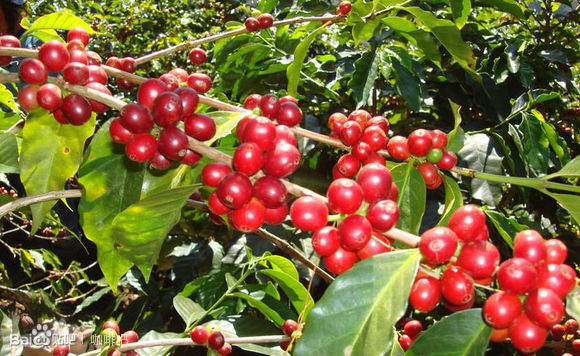
Geisha coffee typically offers bright citrus (like lemon and mandarin), stone fruits (such as peach and apricot), floral notes (like jasmine), and a distinctive sweet-tea-like undertone sometimes compared to oolong. The cup is often described as juicy, honeyed, and complex with a tea-like softness and lingering creamy sweetness.
Why is Geisha coffee so expensive?
Geisha is expensive due to its low yield, meticulous cultivation, small harvests, and high demand. Originally rare in Ethiopia, it gained global fame after winning taste competitions in Panama. Limited production, combined with its complex flavor profile and premium positioning, drives prices often exceeding $50 per 200g bag.
How should Geisha coffee be roasted?
The optimal roast for Geisha is light to medium, usually roasted to just before or at the beginning of the second crack. This means stopping the roast around 425–430°F (218–221°C) to preserve its delicate floral acidity, bright fruitiness, and tea-like sweetness without burning off aromatics.
What’s the difference between Ethiopian and Panamanian Geisha?
Both originate from the same genetic lineage, but Ethiopian Geisha is often more floral, tea-like, and complex, with brighter acidity. Panamanian Geisha (especially from Boquete) tends to emphasize tropical fruit, sweetness, and syrupy body. Both are prized, but Ethiopian versions are rarer and often considered more nuanced.
What does 'blue-green' coffee bean mean?
'Blue-green' refers to the raw (green) bean color of high-quality Geisha coffee. Unlike the more common greyish-green or brownish tint of commodity beans, Geisha beans appear smooth, vibrant, and almost jade-like, indicating freshness, high altitude origin, and careful processing.
Can I brew Geisha coffee any way I want?
You can, but to fully appreciate its delicate flavors, pour-over methods (like V60 or Kalita Wave), AeroPress, or siphon brewing are ideal. These methods highlight its bright acidity, floral notes, and layered fruitiness better than espresso, which can mute its subtleties.
Recommended FrontStreet Beans for Geisha Lovers
FrontStreet Coffee’s Ethiopia Yirgacheffe Gedeb is a great introduction to high-acidity, fruit-forward single origins with its bright citrus, berry, and soft green tea notes—similar to the complexity Geisha is known for. For even more floral intensity, try Ethiopia Huakui (‘Flower Queen’), which bursts with peach, mango, and honey-like sweetness. Both are light-roasted to highlight their delicate profiles. Freshly roasted within 5 days · Orders placed before 17:00 ship the same day · Next-day delivery across most of Guangdong Province.
FrontStreet Coffee is a long-established specialty coffee roaster in Guangzhou China, selling freshly roasted beans from its own farm in Yunnan as well as dozens of carefully selected single-origin beans from around the world for both pour-over and espresso. The products deliver consistently excellent quality and great value, with shipping within 24 hours. Guangzhou's FrontStreet Coffee shop is recommended by many coffee lovers, and the beans are now available online at the Tmall 。
Important Notice :
前街咖啡 FrontStreet Coffee has moved to new addredd:
FrontStreet Coffee Address: 315,Donghua East Road,GuangZhou
Tel:020 38364473