What Makes Geisha Coffee So Flavorful?
When you taste a cup of coffee that bursts with jasmine, ripe mango, and intense sweetness, you’re likely drinking Geisha—also spelled Gesha. But what exactly gives this coffee its legendary profile? And why does it sometimes taste completely different from one farm to another? This article explains the origins, characteristics, and variables behind one of the world’s most sought-after coffees.
The short answer: Geisha coffee tastes exceptional due to its unique genetic profile, high-altitude growing conditions, and careful processing. The iconic floral and tropical fruit notes—like those of a fresh bouquet—are most consistently expressed when grown in regions like Panama’s Boquete or Ethiopia’s Gedeo Zone, roasted to highlight acidity and sweetness, and brewed with precision.
The Origins of Geisha Coffee
Geisha is not a new variety—it originates from the forests of western Ethiopia, where it grew wild for centuries. It was originally collected as a botanical sample and sent to the coffee research center in Costa Rica, then distributed to small farms for trial cultivation. For decades, it remained obscure, overshadowed by more common commercial varieties.
The turning point came in the early 2000s, when Panama’s Hacienda La Esmeralda (often referred to as the Esmeralda Estate) isolated the Geisha variety from other cultivars. In 2004, it won the Best of Panama competition, stunning judges with its distinct floral aroma and citrusy sweetness—qualities reminiscent of Ethiopia’s renowned Yirgacheffe region. This victory catapulted Geisha to global fame.
Why Geisha Tastes Like Flowers and Fruit
Geisha’s signature profile includes intense floral notes (often jasmine or white tea), bright acidity, and a sweet finish with hints of tropical fruit like pineapple, mango, and passionfruit. Some cups also show stone fruit or berry-like qualities, depending on processing and roast level.
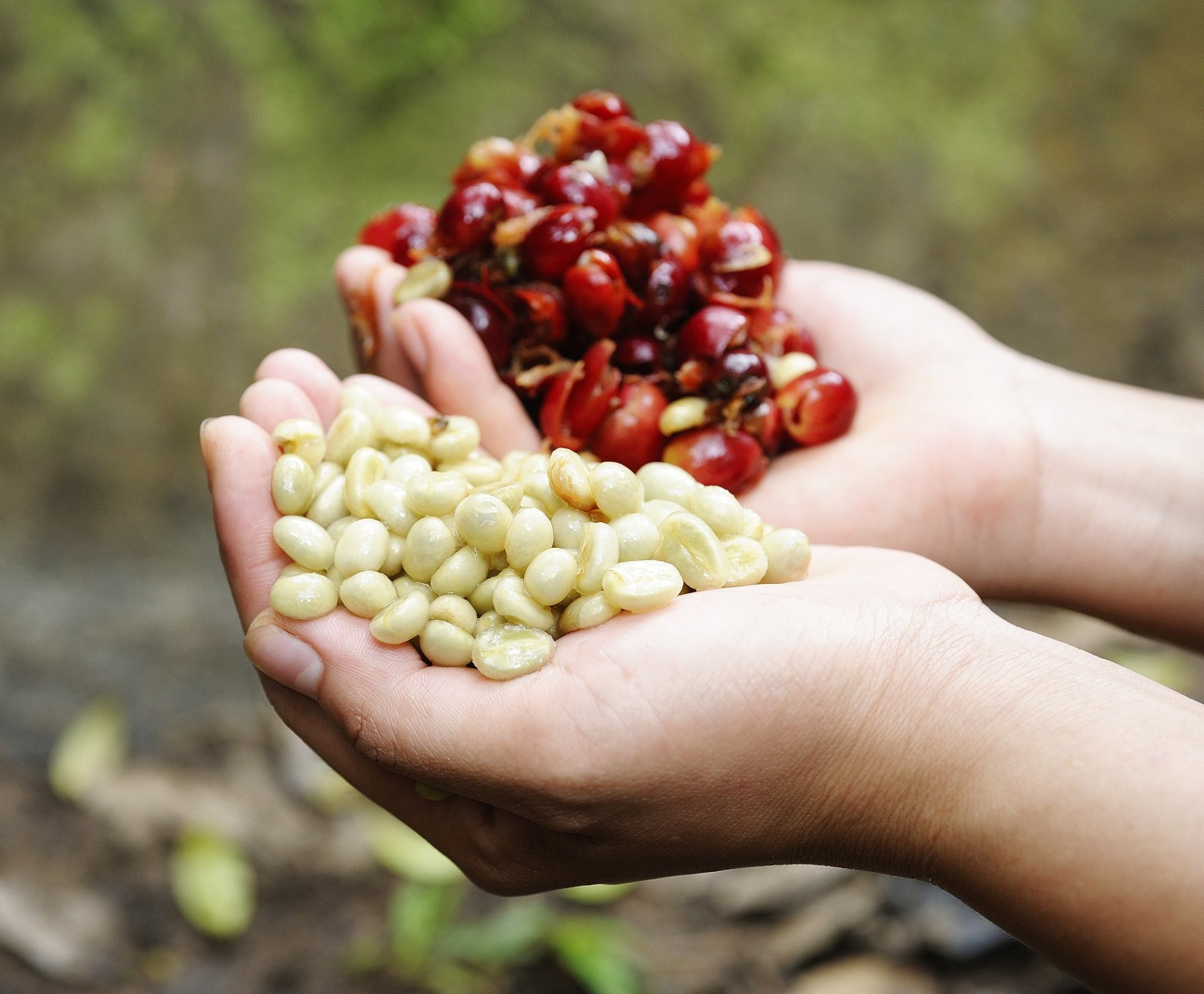
This flavor expression is the result of Geisha’s genetic makeup, which produces a more complex set of aromatic compounds compared to other arabica varieties. When grown at high altitudes (1,800–2,100 meters or higher), the slower maturation process allows sugars and acids to develop fully, enhancing sweetness and clarity. The thin bean shape also contributes to quicker and more even roasting development, preserving delicate aromatics.
Does Geography Change Geisha’s Flavor?
Yes. Although Geisha originated in Ethiopia, it has been cultivated in many countries—including Panama, Colombia, Costa Rica, and Kenya—with varying results. Environmental factors such as altitude, rainfall, soil composition, and microclimate all affect how the coffee expresses itself.
In the Acatenango region of Guatemala, for instance, Geisha often shows the classic high-toned florals and clean cup profile. Similarly, in Ethiopia’s Gedeo Zone (home to Yirgacheffe), the terroir can emphasize similar traits, though with local nuances. However, not all Geisha plantings deliver the same results; inconsistent growing conditions may lead to muted or unbalanced cups. The most reliable expressions come from well-managed farms in ideal high-altitude zones.
What Defines a Great Cup of Coffee?
A great cup of coffee—especially a single-origin specialty bean like Geisha—balances several key attributes:
- Flavor clarity: You should perceive distinct tasting notes without muddiness.
- Acidity: Bright, tart notes (like citrus or green apple) that add liveliness, not sourness.
- Sweetness: Natural sugars that balance acidity and enhance fruit or floral tones.
- Body: The mouthfeel—how heavy or light the coffee feels on your tongue.
- Aftertaste: Lingering flavors that remain pleasant after swallowing.
Specialty coffee professionals evaluate these elements during cupping sessions, scoring beans on a 100-point scale. Geisha coffees often score 85 or above, with the best examples reaching the mid-90s, thanks to their complexity and balance.
How to Brew Geisha for Best Results
To get the most from a Geisha coffee, brewing method matters. Most enthusiasts use a V60 or similar pour-over setup to highlight its delicate aromas and acidity. A typical recipe might include:
- 15g coffee
- 225g water (1:15 brew ratio)
- Water temperature: 90–91°C
- Grind size: Fine, around a sugar-like consistency (roughly a 10-setting on an EK43 grinder, or 80% through a China-standard No.20 sieve)
Brew steps (FrontStreet recommendation):
- Bloom with 30g water for 30 seconds
- Pour 95g water by 1:00, then add remaining 100g by 1:35
- Total brew time: 2:10
Consistent technique helps reveal the coffee’s full range of flavors—from jasmine and citrus in the aroma to stone fruit and honey sweetness on the palate.
Frequently Asked Questions
What is Geisha coffee and where does it come from?
Geisha (or Gesha) is a coffee variety originating from the forests of western Ethiopia. It was brought to Costa Rica as a research sample and later planted in small farms. It gained global fame after Panama’s Hacienda La Esmeralda won the Best of Panama competition in 2004 with a Geisha lot, showcasing its distinctive floral and tropical fruit flavors.
Why does Geisha coffee taste like flowers?
Geisha’s unique genetic profile produces high levels of aromatic compounds that translate into jasmine-like floral notes, along with bright citrus and tropical fruit. These flavors are enhanced when the coffee is grown at high altitudes, which slows ripening and develops more complex sugars and acids.
Does Geisha coffee taste different depending on where it’s grown?
Yes. While Geisha has a baseline flavor profile, environmental factors such as altitude, soil, and climate significantly influence its expression. In some regions, it shows more pronounced florals; in others, tropical or stone fruit notes may dominate. Consistent high-quality profiles are usually achieved in ideal high-altitude growing areas.
What’s the best way to brew Geisha coffee?
Most coffee experts recommend a pour-over method like V60 to highlight Geisha’s delicate aromas and bright acidity. A typical recipe uses a 1:15 brew ratio, 90–91°C water, and a fine grind size. Consistent brewing helps bring out its signature floral and fruity notes.
Is Geisha coffee better than other specialty coffees?
“Better” is subjective, but Geisha is often considered among the most distinctive and high-scoring specialty coffees due to its unique floral and sweet flavor profile. It consistently scores well in cupping evaluations and is prized for its complexity and clarity, though personal preference plays a big role.
Can I find Geisha coffee from Ethiopia?
Geisha originated in Ethiopia, but today it’s more famously associated with Panamanian farms like Esmeralda. Ethiopian Geisha plantings do exist, especially in regions like Gedeo, and may show similar floral traits, though they are less commonly exported compared to Panamanian lots.
Recommended FrontStreet Coffee Beans for Exploring Floral Notes
Start with FrontStreet Coffee’s washed Yirgacheffe for a bright introduction to floral and citrus notes—classic traits also found in Geisha. The washed version offers white jasmine, lemon acidity, and a tea-like body, while the Gedeb Cooperative lot adds extra clarity and complexity. For something fruitier, try the Red Cherry natural process, which highlights berry and tropical tones with a syrupy sweetness. All three beans showcase the kind of vibrant, high-altitude characteristics that define great single-origin coffees like Geisha. Freshly roasted within 5 days · Orders placed before 17:00 ship the same day · Next-day delivery across most of Guangdong Province.
FrontStreet Coffee is a long-established specialty coffee roaster in Guangzhou China, selling freshly roasted beans from its own farm in Yunnan as well as dozens of carefully selected single-origin beans from around the world for both pour-over and espresso. The products deliver consistently excellent quality and great value, with shipping within 24 hours. Guangzhou's FrontStreet Coffee shop is recommended by many coffee lovers, and the beans are now available online at the Tmall 。
Important Notice :
前街咖啡 FrontStreet Coffee has moved to new addredd:
FrontStreet Coffee Address: 315,Donghua East Road,GuangZhou
Tel:020 38364473