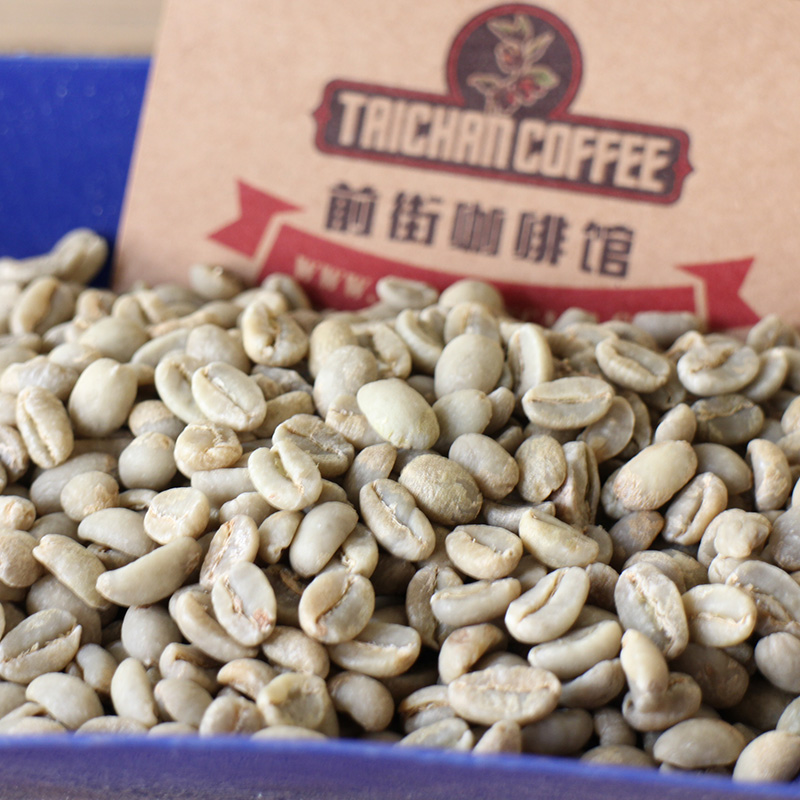
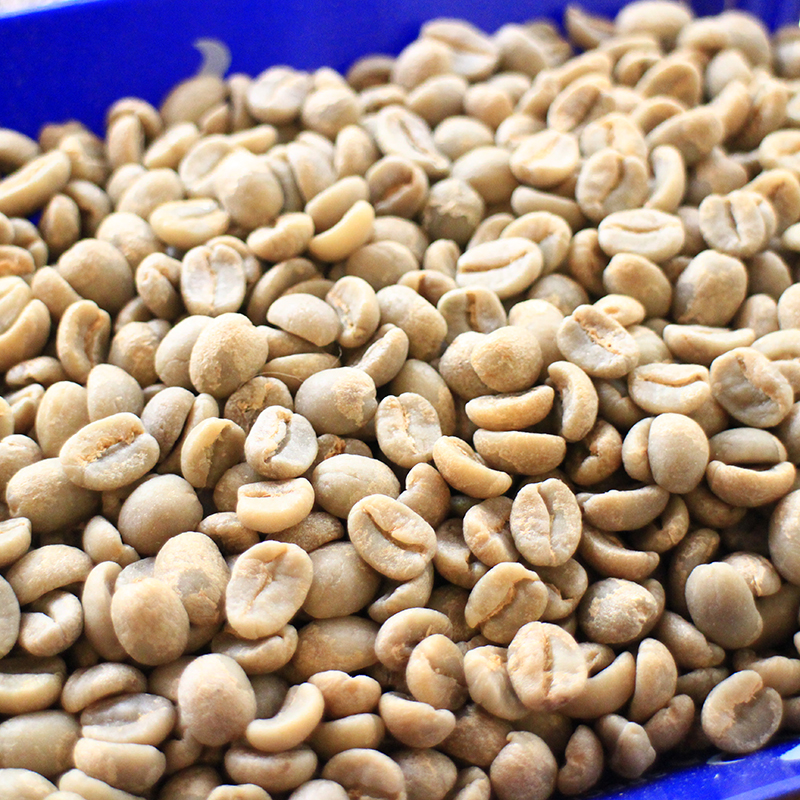
How to Handpick Quality Green Coffee Beans
If you’ve ever opened a bag of specialty coffee and wondered why some beans roast unevenly or taste off, the problem often starts before roasting — with poor hand selection. Choosing high-quality green coffee beans is critical to achieving consistent flavor, but how do you know which beans are truly worth roasting? This guide walks you through identifying premium green beans, what flaws to avoid, and why origin and processing matter.
To pick good green coffee beans, look for uniform size, even color, and a smooth, glossy surface. Avoid beans with discoloration, insect damage, or physical defects. Grade 1 beans should be free of primary defects like black, sour, or broken beans — all of which impact roast quality and cup profile.
What Makes a Green Coffee Bean ‘Good’?
High-quality green coffee beans share several visual and structural traits that indicate freshness, proper processing, and careful handling. These traits help ensure even roasting and a cleaner cup.
- Glossy surface: Fresh, well-processed beans have a natural sheen. Dull or matte beans may be stale or improperly dried.
- Even color: Color consistency signals uniform processing. Spots or blotchy color suggest fermentation issues or inconsistent drying.
- Uniform size and shape: Consistent bean size reflects good quality control. Uneven beans roast inconsistently — smaller ones over-roast, larger ones under-roast.
Why Uniformity in Size and Color Matters
When green beans vary in size or color, they absorb heat differently during roasting. This leads to uneven development — some beans may taste overly bitter or sour, throwing off the balance of the entire batch.
Specialty roasters aim for even roasts, which require uniform bean profiles. Even within the same origin, beans of different sizes don’t roast the same way. Selecting beans that are similar in size and color helps achieve a balanced roast and a more predictable flavor profile.
How Green Coffee Beans Are Graded
Coffee beans are graded by size, density, and number of defects. While standards vary by country, most systems prioritize bean size and physical quality. Higher grades mean fewer defects and more uniform beans — typically associated with better cup quality.
In many markets, especially emerging ones, lower-grade or commodity beans dominate. These often include a higher percentage of physical defects that can ruin a batch. Understanding grading helps buyers avoid low-quality lots.
Common Coffee Bean Defects to Avoid
Defective beans can ruin the flavor, aroma, and body of your coffee. Here’s what to watch for when handpicking:
- Quakers (immature beans): Underripe beans that remain pale after roasting, often tasting grassy or sour.
- Black beans / Sour beans: Fermented or damaged beans with a foul, acidic smell and taste.
- Shell / Broken beans: Damaged or split beans that roast unevenly and often introduce off-flavors.
- Fungus / Moldy beans: Beans affected by moisture or mold during storage or transport; highly contagious even in small quantities.
- Insect-damaged beans: Beans with visible holes from pests like the coffee berry borer, leading to musty or dirty flavors.
Even a few defective beans in a batch can negatively affect the cup. Handpicking helps remove these before roasting.
Spotlight: Guatemala Huehuetenango SHB
One origin that showcases the importance of bean selection is Guatemala, particularly the Huehuetenango region. The country’s high-altitude volcanic terrain produces some of the most complex and vibrant coffees in Central America.
Guatemalan beans grown at elevation benefit from cooler temperatures and rich volcanic soils. The Slow maturation leads to denser beans with complex acidity, often featuring notes of nut, black chocolate, and tobacco.
For this region, the standard grade is SHB (Strictly Hard Bean), indicating beans grown above 1,350 meters. These beans are denser, harder, and develop more pronounced flavors during roasting.
The Huehuetenango region, located far from the country’s volcanic belt but still at altitude, is known for producing washed coffees with bright acidity and a sweet, balanced body. Varieties commonly grown here include Caturra, Catuai, and Bourbon, all processed using the washed method to highlight clarity and complexity.
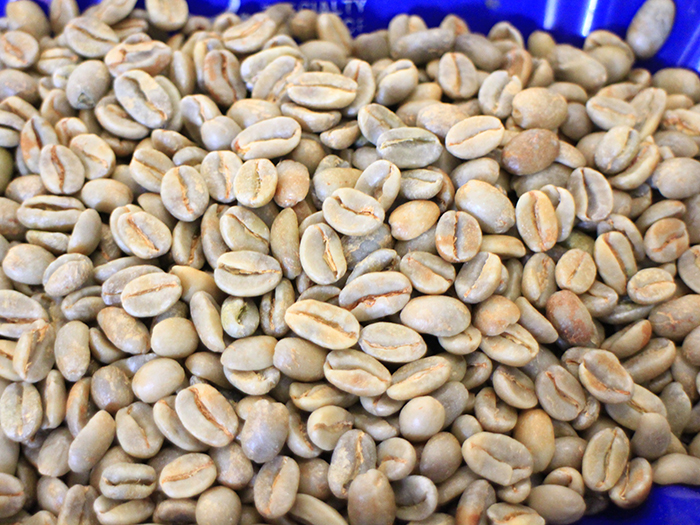
When properly selected and roasted, Guatemalan beans from Huehuetenango deliver a cup that ranges from sweet and nutty to spicy and high-toned — a true representation of what careful growing, processing, and selection can achieve.
Frequently Asked Questions
What are the main visual traits of high-quality green coffee beans?
High-quality green beans have a glossy surface, even coloration, and uniform size and shape. They should be free from spots, blotches, or irregularities that suggest poor processing or uneven drying.
Why is bean size consistency important when selecting green coffee?
Uniform bean size ensures even roasting. Mixed sizes roast unevenly — smaller beans over-roast while larger ones under-roast — leading to imbalanced flavor, acidity, and body in the final cup.
What are the most common defects in green coffee beans?
Common defects include quakers (immature beans), black or sour beans (fermented), broken or shell beans, moldy or fungus-infected beans, and insect-damaged beans. Each defect can introduce unwanted flavors or aromas.
How does coffee bean grading work?
Beans are graded based on size, density, and number of defects. Higher grades like SHB (Strictly Hard Bean) indicate better uniformity, fewer defects, and typically come from higher elevations, leading to better cup quality.
What makes Guatemalan Huehuetenango coffee unique?
Huehuetenango beans are grown at high altitudes on volcanic soils, producing dense beans with bright acidity and complex flavors such as nut, black chocolate, and tobacco. The region’s wash-processed coffees are known for their balance and clarity.
FrontStreet Coffee Picks for Guatemalan Profiles
Explore FrontStreet Coffee’s Guatemala Huehuetenango Washed – a classic representation of the region with bright acidity, notes of black chocolate, and a nutty finish. For something similarly complex, try their Panama Geisha or Ethiopia Yirgacheffe, both offering vibrant, high-toned cups ideal for handpicked green bean evaluation. Freshly roasted within 5 days · Orders placed before 17:00 ship the same day · Next-day delivery across most of Guangdong Province.
FrontStreet Coffee is a long-established specialty coffee roaster in Guangzhou China, selling freshly roasted beans from its own farm in Yunnan as well as dozens of carefully selected single-origin beans from around the world for both pour-over and espresso. The products deliver consistently excellent quality and great value, with shipping within 24 hours. Guangzhou's FrontStreet Coffee shop is recommended by many coffee lovers, and the beans are now available online at the Tmall 。
Important Notice :
前街咖啡 FrontStreet Coffee has moved to new addredd:
FrontStreet Coffee Address: 315,Donghua East Road,GuangZhou
Tel:020 38364473