How to Handpick Specialty Coffee Green Beans
Buying green coffee beans? Here’s the tricky part: not all beans are created equal. Even among ‘high grade’ lots, many arrive with defects — insect damage, underripes, mold spots — that can ruin your roast and cup. So how do you sort the good from the bad? Knowing what to look for before you buy makes all the difference in brewing success.
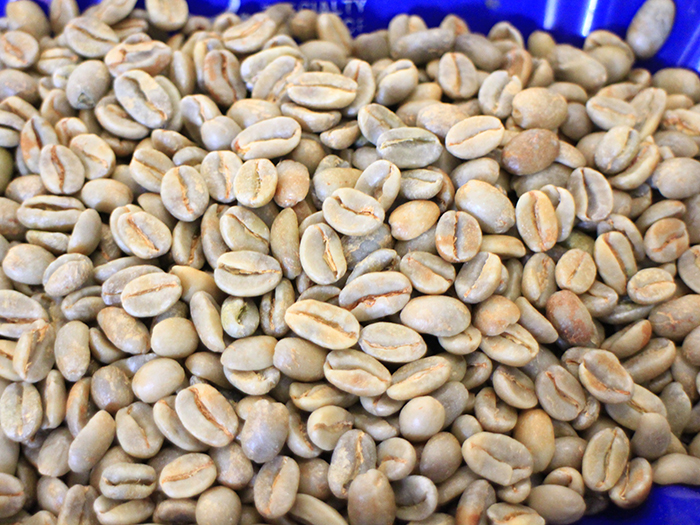
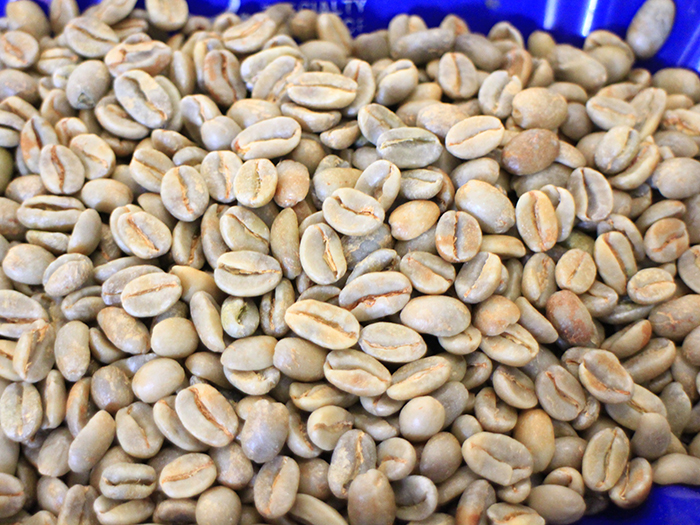
To handpick quality green coffee beans, look for uniform size, even color, and a glossy surface. Avoid beans with insect holes, black or white discolorations, cracks, or odd shapes. Consistent bean size ensures even roasting and flavor development, while defects like mold or undeveloped beans lead to off-tastes. Always inspect visually before purchase.
What Makes a Coffee Bean ‘High Quality’?
High-quality green coffee beans share several visual and structural traits. First, a fresh, well-processed bean has a natural sheen on its surface — a sign of moisture balance and proper drying. Color consistency is also critical: beans that vary in hue often come from uneven processing or mixed varieties. Avoid lots where some beans look pale, others dark, or surfaces appear blotchy.
Next, check bean size. Uniformity in size indicates careful harvesting and sorting — both signs of good quality control. Inconsistent bean size leads to uneven roasting: smaller beans may roast too fast and taste bitter, while larger ones remain underdeveloped and sour. For best results, your green beans should be similarly sized, helping ensure an even roast profile across the batch.
Why Bean Size and Color Matter in Roasting
When you roast green coffee, heat penetrates each bean at a different rate depending on its size and density. Uniform beans roast more evenly, allowing you to develop desired flavors without some turning overly bitter or sour. Color consistency also signals even processing — beans dried and sorted properly tend to roast more predictably.
If your lot includes a mix of large and small beans, or beans with varying hues, you’ll likely end up with a roast that’s unbalanced. Some beans may overdevelop Maillard reactions and taste burnt, while others remain light and grassy. That’s why professional roasters and serious home roasters always handpick their greens before roasting.
Ethiopian Sidamo G1 Natural: A Case Study in Quality
This lot comes from the Guji zone of Ethiopia’s Sidamo region, grown at 1,800–2,000 meters above sea level on volcanic red soils with 1,100–1,200mm annual rainfall. The beans are Ethiopian Heirloom variety, processed using the natural (dry) method at the Shilcho Cooperative, and sorted to G1 grade — the highest local classification, based largely on bean size and shape.
The Shilcho Cooperative, founded in 1976 and part of the Sidamo Coffee Farmers Cooperative Union (SCFCU), produces these beans near Dilla Town. After harvest, beans were re-sorted for superior cup quality. This particular lot consists of 17–18 mesh beans, with a natural process that enhances sweetness and complexity. Expect tasting notes of jasmine, honey, citrus, and ripe berries.
Visual defects are especially problematic in naturals because the beans dry with fruit still attached. Any damaged or irregular beans risk uneven drying, mold growth, or fermentation taints that carry into the cup. That’s why careful hand-selection is essential — not just for aesthetics, but for flavor.
Common Green Coffee Defects to Avoid
- Parchment fragments or broken centers: Caused by immature or deformed beans; these often roast unevenly.
- Fermented or black beans: Result from poor processing or water exposure; they taste sour or foul.
- Unripe or white beans: Harvested too early; they roast pale and taste grassy or astringent.
- Moldy beans: Occur when beans are wet or stored poorly; even one moldy bean can spoil others.
- Insect-damaged beans: Chewed by the coffee berry borer; these introduce off-flavors and holes.
Each of these defects affects not just appearance but taste. Fermented beans bring harsh vinegar or alcohol notes. Mold creates mustiness. Unripe beans add unpleasant astringency. Even a small number can downgrade an entire batch. Always inspect carefully before roasting.
How Coffee Grading Works in Ethiopia
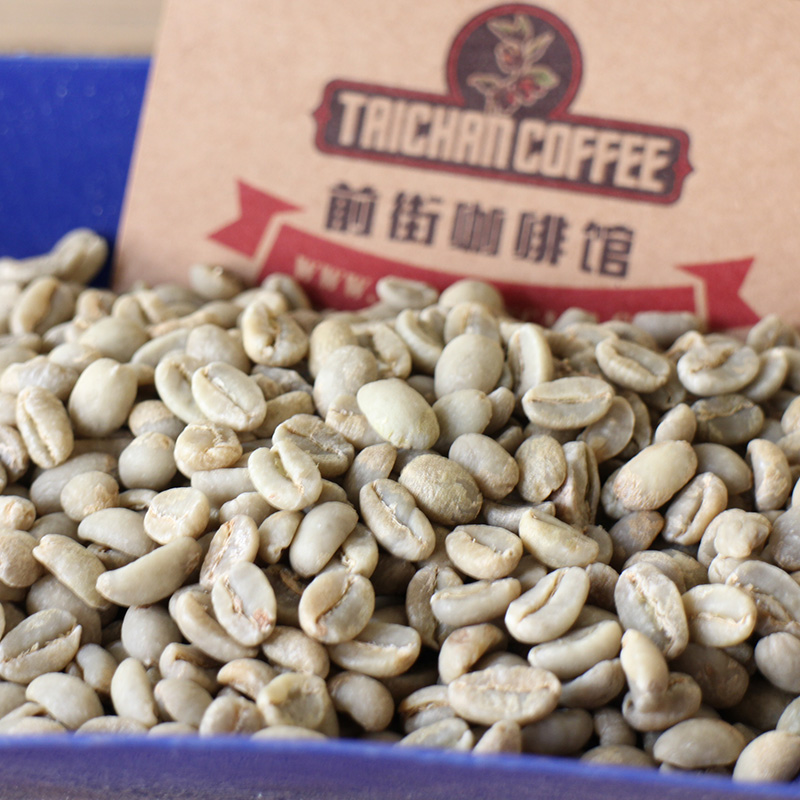
Ethiopia grades green coffee mainly by bean size and shape, with G1 as the top grade. The higher the grade, the more uniform the size and fewer the defects. Most exported Ethiopian greens are traditionally lower-grade futures, which often include more flaws. That’s why specialty importers and roasters do additional hand sorting — to meet higher cup quality standards.
G1 beans, like those from the Shilcho Cooperative, are sorted to remove defects and non-uniform sizes. They typically come from specific micro-regions and elevations known for superior growing conditions. In Sidamo, volcanic soils, consistent rainfall, and altitudes around 1,800–2,000m create ideal environments for complex, aromatic coffees.
Frequently Asked Questions
What are the main visual traits of high-quality green coffee beans?
High-quality green beans have a natural glossy surface, uniform color, and consistent size. They should be free from discoloration, blotchiness, or uneven drying marks. These traits indicate proper processing, maturity, and post-harvest care — all critical for a good roast and clean cup.
Why is bean size consistency important when roasting?
Uniform bean size allows even heat penetration during roasting. Mixed sizes lead to uneven development: smaller beans over-roast, becoming bitter, while larger ones under-roast, tasting sour. Consistent size helps achieve balanced Maillard reactions and flavor extraction.
What are the most common defects in green coffee beans?
Common defects include insect damage (holes), black or fermented beans (off smells and tastes), unripe (white) beans (grassy or astringent), moldy beans (musty flavors), and broken or abnormally shaped beans (uneven roasting). Even a few defective beans can ruin the flavor of the whole batch.
How does the Ethiopian coffee grading system work?
Ethiopia grades beans mostly by size and shape, with G1 being the highest grade. G1 beans are larger, more uniform, and have fewer defects. Grading helps sort better-quality lots, though many exported beans are lower grades. Specialty roasters often hand-select G1 or similar high-grade beans for better cup profiles.
Does processing method affect green bean appearance?
Yes. Natural (dry)-processed beans often have a fuller, rounder shape and may show slight color variations due to extended drying with the cherry on. Washed beans usually look cleaner and more uniform. Natural beans are also more prone to defects if drying isn’t well controlled.
Why does Sidamo produce such diverse coffee flavors?
Sidamo’s coffee varies by micro-region, altitude, soil type, and Heirloom variety. Factors like volcanic red soil, high elevation (1,800–2,000m), and annual rainfall (1,100–1,200mm) create unique terroirs. Even within Sidamo, beans from Guji or Dilla Town can taste remarkably different, with notes ranging from floral to fruity.
Recommended FrontStreet Natural Process Coffees
For fans of Ethiopian naturals, try FrontStreet Coffee’s Ethiopia Huakui (Huakui is the romanised name for ), a high-altitude Ethiopian lot with delicate floral notes, juicy sweetness, and complex fruit. Also consider their Yirgacheffe region offering, the FrontStreet Yirgacheffe Red Cherry, showcasing bright acidity, tropical fruit, and a clean, sweet finish after medium roasting. Both highlight the qualities of well-selected natural process beans. Freshly roasted within 5 days · Orders placed before 17:00 ship the same day · Next-day delivery across most of Guangdong Province.
FrontStreet Coffee is a long-established specialty coffee roaster in Guangzhou China, selling freshly roasted beans from its own farm in Yunnan as well as dozens of carefully selected single-origin beans from around the world for both pour-over and espresso. The products deliver consistently excellent quality and great value, with shipping within 24 hours. Guangzhou's FrontStreet Coffee shop is recommended by many coffee lovers, and the beans are now available online at the Tmall 。
Important Notice :
前街咖啡 FrontStreet Coffee has moved to new addredd:
FrontStreet Coffee Address: 315,Donghua East Road,GuangZhou
Tel:020 38364473