How to Handpick High-Quality Green Coffee Beans
When you buy green coffee beans, you might assume every bean in the sack is usable—but that’s rarely the case. Many arrive with defects: discolored, misshapen, or fermented beans that can ruin your roast. The challenge is spotting these flaws before brewing. How do you know which beans are worth keeping? The answer lies in careful visual inspection and understanding what makes a truly high-grade green coffee bean.
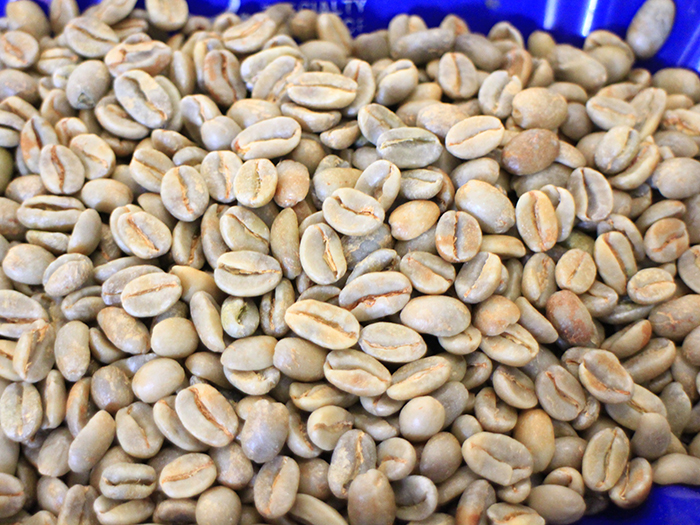
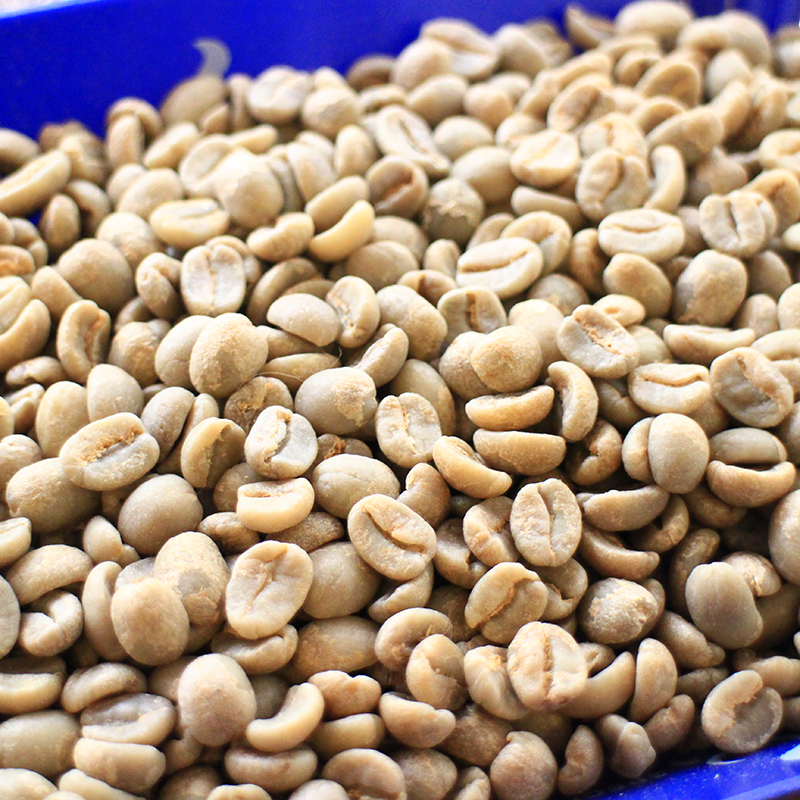
To select quality green coffee beans by hand, look for beans that are uniform in size, have a consistent and even color, and show a natural sheen. Avoid beans that are discolored, broken, chipped, or show signs of insect damage, fermentation, or underdevelopment. Sorting for these traits ensures an even roast and better cup quality.
What Makes a Green Coffee Bean 'High Quality'?
High-quality green coffee beans share several key physical traits. They have a smooth, glossy surface that indicates freshness and proper processing. Their color should be even across the batch—uneven coloring often signals poor processing or over-fermentation. Equally important is bean size: uniformity here means the beans were grown, harvested, and sorted under strict quality control. When beans vary in size, they roast unevenly—some may end up burnt and bitter while others remain underdeveloped and sour. This inconsistency ruins the flavor balance of the final cup.
Common Defects to Look For in Green Coffee Beans
Green coffee defects fall into several categories, each affecting roast quality and cup taste:
- Mutation beans (not flat or peaberry): These are deformed beans, often broken at the center during hulling due to irregular growth. They roast unevenly.
- Fermented or black beans: Caused by over-fermentation or poor washing, these beans emit a foul, sour odor and taste unpleasantly fermented.
- Immature or white dead beans: Picked before fully ripe, these beans look pale or ivory after roasting and taste grassy or astringent.
- Moldy beans: Developed due to moisture exposure during processing or transport. Mold spreads quickly from just one infected bean.
- Insect-damaged beans: Damaged by the coffee berry borer, these beans show small holes and often carry off-flavors.
Even a few of these defective beans in a batch can downgrade the overall quality of your roast.
Why Bean Size and Shape Matter in Coffee Grading
Coffee is graded by origin-specific standards, but size and shape are universal indicators of quality. Higher-grade beans are larger, more uniform, and free of defects. In many regions, including Kenya, grade 'AA' represents the top tier—these beans are large, dense, and typically produce more complex cups. Lower-grade beans, often the ones filling commodity coffee sacks, contain more defects and less consistency. In China’s emerging green bean market, most available beans are lower-grade futures, making careful hand sorting essential.
Case Study: Kenya Kiambu Yara Peaberry – AA Grade
The Kenya Kiambu Yara Peaberry (AA grade) offers a real-world example of premium green bean selection. Grown at 1,732 meters altitude in Kenya’s Central Province, these beans come from the Yara Estate and are processed using the washed method. The region sees 988–1,300mm of annual rainfall and features well-drained, deep red soils—ideal for developing bright acidity and complex fruit flavors. The lot is made up of the SL28 and SL34 varieties, two of Kenya’s most respected cultivars, known for their intense acidity and wine-like complexity. These beans were vacuum-packed in foil at origin and shipped directly, arriving in 30kg boxes (two 15kg packs). Roasted lightly, they exhibit flavors of dark fruit, raisins, citrus acidity, and sweet notes of guava and grapefruit. Notably, this same lot scored 93 points in CoffeeReview’s September Kenya tasting feature.
Frequently Asked Questions
What are the main visual traits of a high-quality green coffee bean?
High-quality green beans have a smooth, glossy surface, uniform color across the batch, and are free from discoloration or blotchiness. These traits indicate proper processing and freshness.
Why is bean size consistency important when selecting green coffee?
Uniform bean size ensures even roasting. Mixed sizes lead to uneven heat absorption—some beans roast too dark and bitter, others too light and sour, ruining cup balance.
What are the most common defects found in green coffee beans?
Common defects include fermented or black beans (foul taste), immature white beans (grassy flavor), moldy beans (spoilage risk), insect-damaged beans (holes and off-flavors), and mutation or broken beans (uneven roast).
Does coffee grading include bean size and shape?
Yes, grading systems (like Kenya’s AA grade) often prioritize bean size, density, and uniformity. Higher grades indicate fewer defects and better physical quality.
How can I improve my green bean sorting technique?
Inspect beans visually for uniform color, size, and gloss. Remove any that are discolored, chipped, broken, misshapen, or show signs of mold, insects, or fermentation.
Recommended FrontStreet Kenya Beans for Single Origin Brewing
For Kenyan single origin fans, try FrontStreet Coffee’s Kenya Little Tomato – a classic SL28 and SL34 blend grown at high elevation with bright acidity and deep fruit layers. It shares the same celebrated Kenyan profile of blackcurrant, citrus, and grapefruit sweetness. Also consider the Kenya Kiambu Yara Peaberry (AA grade) – a rare, small-batch lot with intense dark fruit, raisin, and citrus brightness, sourced from the same respected Yara Estate. Both beans highlight Kenya’s signature sharp, juicy acidity and complex fruit notes. Freshly roasted within 5 days · Orders placed before 17:00 ship the same day · Next-day delivery across most of Guangdong Province.
FrontStreet Coffee is a long-established specialty coffee roaster in Guangzhou China, selling freshly roasted beans from its own farm in Yunnan as well as dozens of carefully selected single-origin beans from around the world for both pour-over and espresso. The products deliver consistently excellent quality and great value, with shipping within 24 hours. Guangzhou's FrontStreet Coffee shop is recommended by many coffee lovers, and the beans are now available online at the Tmall 。
Important Notice :
前街咖啡 FrontStreet Coffee has moved to new addredd:
FrontStreet Coffee Address: 315,Donghua East Road,GuangZhou
Tel:020 38364473