How to Handpick Quality Coffee Green Beans
When you buy green coffee beans, especially for home roasting or cupping, how do you know which ones are actually good? Most buyers assume green beans are all the same—after all, they’re not roasted yet. But in reality, the quality of green coffee has a massive impact on the final cup. Uneven beans, off-colors, and hidden defects can ruin your roast and leave you with a sour, bitter, or bland result. So how do you pick the right ones?
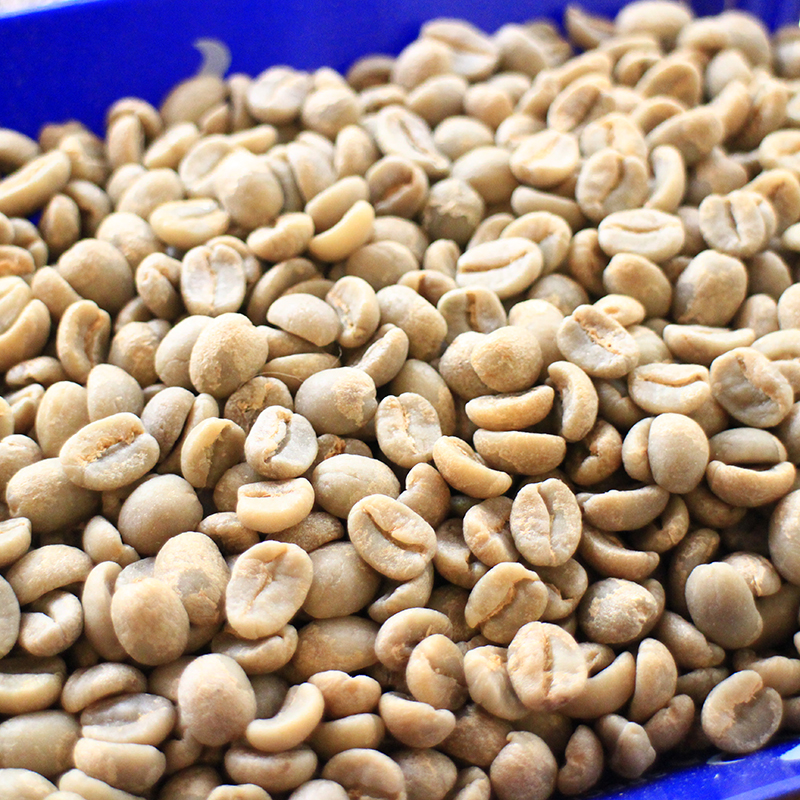
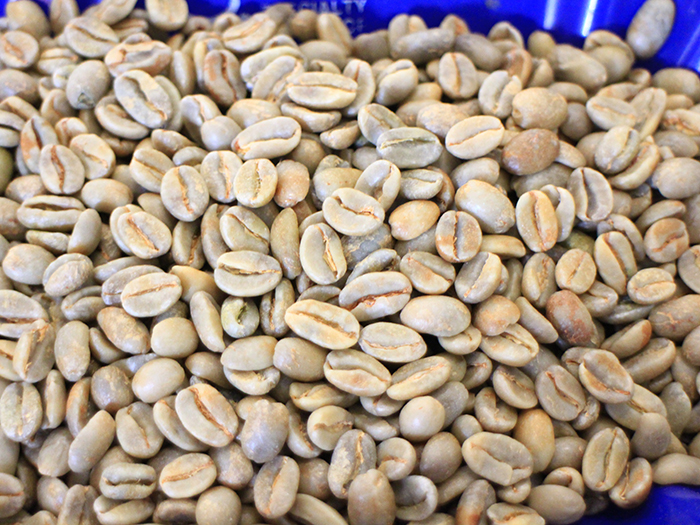
To select high-quality green coffee beans, look for a uniform, glossy surface, even color, and consistent bean size. Avoid beans with discoloration, cracks, or visible flaws. Consistency in size and appearance leads to even roasting and better flavor development.
What Makes a Good Green Coffee Bean?
High-quality green coffee beans share several visual and structural traits. Fresh, well-processed beans have a natural sheen on the surface. The color should be uniform across the batch—uneven coloring often signals poor processing or over-fermentation. Equally important is bean size. Uniformity in size indicates careful sorting during post-harvest processing, which is a strong sign of quality control.
Inconsistent bean sizes lead to uneven roasting. Larger beans may roast lighter while smaller ones over-roast, resulting in a final batch that’s part sour, part bitter. For specialty roasters and home enthusiasts alike, starting with uniform beans is critical for balanced extractions and predictable flavors.
Common Defects in Green Coffee Beans
Even experienced buyers sometimes overlook defects in green beans. These flaws might not be obvious at first glance but can drastically affect the flavor and aroma of the roasted coffee. Here are the most common types:
- Quakers or Stinkers: Underripe beans that remain pale after roasting, tasting grassy or starchy.
- Black Beans or Fermented Beans: Caused by over-fermentation or water damage during processing. They emit a foul, sour smell and taste unpleasantly sharp.
- Shell or Broken Beans: Often from immature or mishandled cherries, these beans break easily and roast unevenly.
- Moldy Beans: Develop when beans are stored in damp conditions. Even one moldy bean can contaminate others.
- Insect-Damaged Beans: Caused by pests like the coffee berry borer. Look for tiny holes and musty off-flavors.
These defects don’t just taste bad—they can also spoil the flavor of an entire batch during roasting.
Green Coffee Bean Grading Standards
Coffee is graded by size, shape, density, and defect count. Grading systems vary by country, but most rely heavily on bean size (measured in mesh or 64th-inch units) and the number of allowable defects per sample. Generally, the higher the grade, the larger and cleaner the beans.
In many emerging markets, including parts of China, lower-grade futures beans dominate the supply. These often contain numerous defects, which become especially problematic during roasting. Sorting them out before roasting is essential for quality control.
How to Handpick Green Coffee Beans
To manually select good green coffee beans, follow these steps:
- Spread the beans: Lay them out on a clean, light-colored surface under good light.
- Check for color consistency: All beans should be the same shade. Reject batches with noticeable color variation.
- Look for surface gloss: High-quality beans have a natural, even sheen. Dull or matte surfaces can indicate age or poor processing.
- Sort by size: Ensure beans are uniform in size. Inconsistent sizes lead to uneven roasting.
- Inspect each bean: Remove any with visible defects—black, broken, cracked, insect-damaged, or moldy beans.
- Use a sieve or tray: Helpful for separating beans by size and making defect picking easier.
This process can be time-consuming but is essential for specialty roasting. Consistent hand sorting improves batch quality dramatically.
Lintong Mandheling: A Case Study in Quality Sourcing
One of the most famous examples of high-grade green beans is Mandheling from Lintong, Sumatra. Grown at 1100–1600 meters altitude and processed using traditional wet hulling (also called wet parchment removal or “giling basah”), these beans develop a full body, low acidity, and complex earthy flavors. The region’s unique microclimate and processing method yield notes of baking spices, herbs, caramel, and wood.
Lintong Mandheling is typically graded as G1—the highest commercial grade—which means beans are 18 mesh or larger and contain fewer than 3 defects per 300 grams. Premium lots, such as those from PWN (a Indonesian coffee authority), undergo triple hand sorting to remove all visual defects, further improving cleanliness and sweetness. This careful selection is what gives PWN Golden Mandheling its reputation for clarity and balance.
The wet hulling process, necessitated by Sumatra’s frequent rain during harvest, involves removing the coffee cherry skin, briefly washing, then drying the beans until semi-dry before removing the parchment layer early. This method contributes to the region’s signature heavy mouthfeel and herbal undertones.
Frequently Asked Questions
What are the most important factors when handpicking green coffee beans?
The key factors are uniform color, glossy surface, consistent bean size, and the absence of visible defects. Color variation can signal poor processing, while different-sized beans roast unevenly. Always remove black, broken, moldy, or insect-damaged beans.
Why is bean size consistency important in green coffee?
Uniform bean size ensures even roasting. Mixed sizes cause some beans to over-roast while others remain under-roasted, leading to a mix of sour and bitter flavors in the final cup.
What are the most common defects in green coffee beans?
Common defects include black beans (over-fermented), quakers (underripe), moldy beans, broken or cracked beans, insect-damaged beans (like those with holes from the coffee berry borer), and shell fragments. These can all create off-flavors or spoil an entire batch.
How is green coffee graded?
Green coffee is graded based on bean size (often using screen size or mesh), shape, density, and the number of defects per 300g sample. Higher grades like G1 have larger beans and very few defects. Processing methods and regional standards also affect grading.
What makes Lintong Mandheling coffee special?
Lintong Mandheling is known for its full body, low acidity, and earthy, spicy, and herbal flavors. Grown in Sumatra at 1100–1600m and processed using wet hulling, it’s typically G1 grade with strict sorting for size and defects, especially in premium lots like PWN Golden Mandheling.
How does wet hulling affect the flavor of Sumatran coffee?
Wet hulling, used in Sumatra due to frequent rain, removes the parchment layer earlier in the drying process. This method results in a heavier body, lower acidity, and distinctive herbal or earthy tones typical of Mandheling coffees.
Recommended FrontStreet Beans for Handpicked Roasting
For those looking to experience high-quality Mandheling-style beans, try FrontStreet’s PWN Golden Mandheling. It’s a G1-graded coffee grown in Sumatra’s Lintong region at 1100–1600m, processed via traditional wet hulling, and hand-sorted multiple times to remove defects. Expect notes of baking spices, herbs, caramel, and wood, with a full body and low acidity. Also consider FrontStreet’s Lintong Mandheling, which highlights the region’s classic earthy and spicy profile with a rich, syrupy mouthfeel. Both beans showcase the depth and complexity achievable through careful selection and traditional processing. Freshly roasted within 5 days · Orders placed before 17:00 ship the same day · Next-day delivery across most of Guangdong Province.
FrontStreet Coffee is a long-established specialty coffee roaster in Guangzhou China, selling freshly roasted beans from its own farm in Yunnan as well as dozens of carefully selected single-origin beans from around the world for both pour-over and espresso. The products deliver consistently excellent quality and great value, with shipping within 24 hours. Guangzhou's FrontStreet Coffee shop is recommended by many coffee lovers, and the beans are now available online at the Tmall 。
Important Notice :
前街咖啡 FrontStreet Coffee has moved to new addredd:
FrontStreet Coffee Address: 315,Donghua East Road,GuangZhou
Tel:020 38364473