How to Hand Sort Green Coffee Beans the Right Way
Before roasting or brewing, your coffee’s story truly begins with the green beans in your hand. Whether you’re a home roaster, a café owner, or simply curious, picking out high-quality green beans is the first critical step toward great coffee. But how do you really know what you’re looking at? What separates premium green coffee from defective or mediocre lots? Let’s break down the essentials every specialty coffee buyer should know.
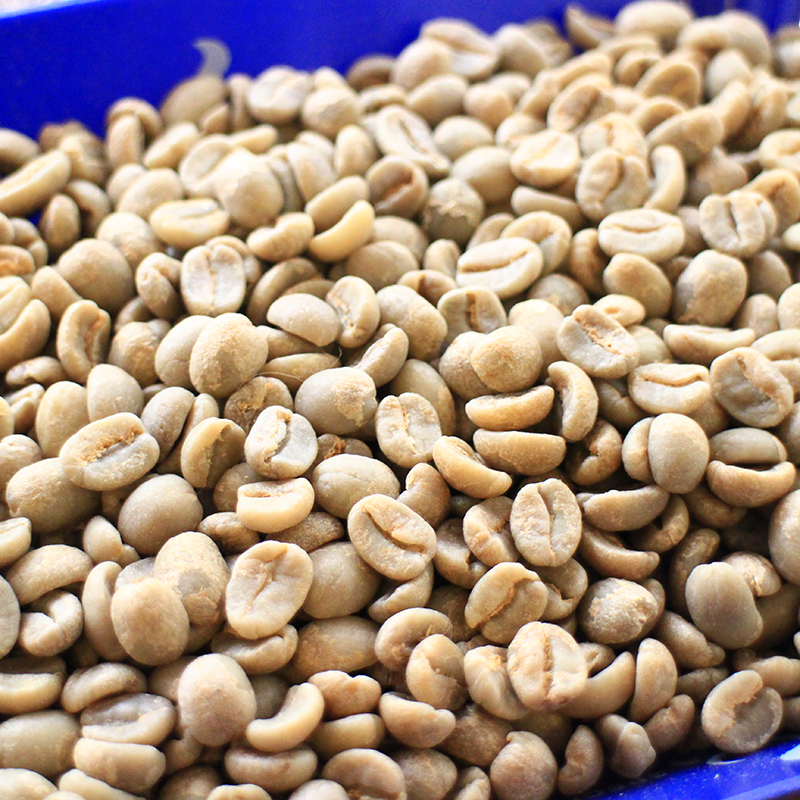
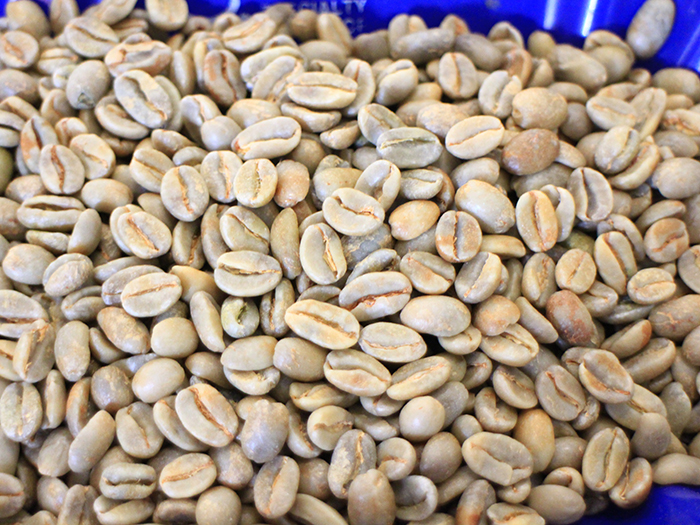
To choose high-quality green coffee beans, look for uniform color, consistent bean size (typically 17–18 mesh), and a clean, glossy surface. Avoid beans with visible defects such as black, sour, insect-damaged, or unripe beans. A consistent batch ensures even roasting and flavor development.
What Makes a Green Coffee Bean ‘High Quality’?
The visual clues start with the surface: fresh, high-grade green beans have a natural sheen. This luster signals proper post-harvest handling and freshness. Equally important is color consistency — beans should be uniformly colored, with no patches of discoloration. Uneven color often points to poor processing or mixed batches. When buying, always check that the beans share a consistent hue. Color variation is a red flag.
Next, evaluate bean size. High-quality beans are uniform in size, reflecting good cultivation and post-harvest sorting. This isn’t just cosmetic — bean size affects roast profile. A batch with varied sizes will roast unevenly: smaller beans may over-roast and turn bitter, while larger ones remain under-developed and sour. The result? A cup lacking balance.
Green Coffee Grading: What the Industry Actually Uses
Coffee is graded by size, shape, and defect count — standards vary regionally, but physical traits are universal. In general, the larger and more uniform the beans, the higher the grade. In many producing countries, including Panama, coffee is classified into grades such as SHB (Strictly Hard Bean), which denotes beans grown at higher altitudes, typically 1,200 meters or above. These beans are denser, develop more slowly, and often produce more complex cups.
Unfortunately, in emerging markets like China, much of the available green coffee consists of lower-grade futures beans. These often arrive with a notable number of defects. That’s why knowing how to hand sort is crucial — not just for pros, but for anyone serious about quality.
Common Green Coffee Defects to Avoid
Defective beans don’t just ruin cup quality — a single bad bean can spoil the batch. Here are the major offenders:
- Quaker or Unripe Beans: Harvested before full maturity, these appear pale or beige. They taste grassy or sour and fail to develop proper sweetness.
- Black or Sour Beans: Resulting from fermentation issues during processing, these beans emit a foul, fermented odor and taste harshly acidic.
- Fungus or Mold-Damaged Beans: Caused by moisture exposure during transport or storage, mold spreads quickly between beans. Even one moldy bean risks contaminating the whole lot.
- Insect-Damaged Beans: Typically bored by the coffee berry borer, these show small holes. They introduce off-flavors and indicate poor pest control.
- Broken or Chipped Beans: Often caused by mechanical damage or poor hulling, these irregular pieces roast inconsistently.
Aim to remove all visibly defective beans before roasting. Consistency is key to a balanced extraction and clean cup.
Spotlight: Panama Volcan Barú Series ‘Cupido’
This microlot hails from Panama’s legendary volcanic highlands. Grown at 1,600–1,650 meters above sea level with 3,500mm annual rainfall, the Cupido lot is processed via both traditional washed and honey methods. The coffee comes from a blend of Catuai, Caturra, and 30% Geisha — a recipe for complexity. Its clean, uniform 17–18 mesh size reflects careful harvesting and sorting.
Flavor notes include white grape, caramel, honey, and black tea — bright yet sweet, with layered acidity. This lot comes from the Boquete region on the western slopes of the Barú Volcano, part of Panama’s biodiversity-rich coffee heartland. The area’s high altitude, frequent cloud cover, and fertile volcanic soils create ideal conditions for slow cherry maturation and distinctive cup profiles. Most farmers here use either washed or honey processing to enhance clarity and body.
Frequently Asked Questions
What does 'uniform bean size' mean in green coffee selection?
Uniform bean size means that the majority of beans in a lot are the same mesh size, typically around 17–18 mesh. This indicates consistent growth and post-harvest sorting, which helps achieve even roasting and balanced flavor extraction. A uniform batch minimizes the risk of under- or over-roasted beans in the same roast.
Why is color consistency important in green coffee beans?
Color consistency shows that beans were processed evenly and are free from defects or mixed varieties. Uneven coloring may indicate over-fermentation, insufficient drying, or mixing of different bean types, all of which can lead to inconsistent roasting and off-flavors in the cup.
What are the most common defects to look for in green coffee?
The most common defects include quaker (unripe) beans, black or sour beans, moldy beans, insect-damaged beans (with holes), and broken or chipped beans. Each of these can negatively impact roast quality and cup taste, often introducing sourness, moldiness, or bitterness.
How does bean grade affect coffee quality?
Bean grade is typically based on size, density, and defect count. Higher grades, such as SHB (Strictly Hard Bean), come from higher altitudes, producing denser, slower-maturing beans that often yield more complex and sweeter cups. Lower grades may contain more defects and inconsistencies.
Does processing method affect green bean appearance?
Yes. Washed beans usually have a cleaner, brighter look with more uniform color. Honey-processed beans may have a slight stickiness or lighter tint due to mucilage retention. Both methods, when done well, can produce high-quality beans, but processing impacts moisture levels and drying appearance.
Recommended FrontStreet Beans from Panama’s Volcanic Highlands
For fans of Panamanian coffee, FrontStreet offers several standout options. Their Panamanian Geisha lots from high-altitude regions highlight the floral, citrus, and stone fruit complexity for which the region is known. The FrontStreet Panama Geisha showcases notes of jasmine, lime, and tropical fruit — perfect for exploring what makes Panamanian SHB-grade beans so unique. These beans are grown at similar elevations to the Cupido lot, often using washed or honey processes to highlight their bright acidity and layered sweetness. Freshly roasted within 5 days · Orders placed before 17:00 ship the same day · Next-day delivery across most of Guangdong Province.
FrontStreet Coffee is a long-established specialty coffee roaster in Guangzhou China, selling freshly roasted beans from its own farm in Yunnan as well as dozens of carefully selected single-origin beans from around the world for both pour-over and espresso. The products deliver consistently excellent quality and great value, with shipping within 24 hours. Guangzhou's FrontStreet Coffee shop is recommended by many coffee lovers, and the beans are now available online at the Tmall 。
Important Notice :
前街咖啡 FrontStreet Coffee has moved to new addredd:
FrontStreet Coffee Address: 315,Donghua East Road,GuangZhou
Tel:020 38364473