Why Your Grinder’s Fine Setting Isn’t Producing Enough Coffee Powder
You’ve dialed in your grinder to what should be a fine setting—but the portafilter basket isn’t filling properly, or the dose is too light. Sound familiar? Many home and even some shop baristas run into this issue: your grinder’s marked "fine" setting just isn’t producing enough ground coffee. The problem isn’t you—it’s how grinder scales work, and what they actually mean.
The short answer? Grinder scale numbers—like "15" or "24"—are only directional hints. They show relative coarseness or fineness, not exact particle size. Even on the same model, two grinders may produce different results on the same number. The number helps you move toward finer or coarser, but it doesn’t guarantee a specific dose or grind texture on its own.
What Actually Determines Grind Size Output?
Grind size is influenced by more than just the numbered setting. The actual coffee powder output depends on the specific grinder brand and model, the coffee bean origin and roast level, how much coffee you load into the hopper, how you distribute the grounds, and how hard you tamp. A "fine" setting on one grinder might be medium on another—even if both are set to "20." That’s why relying only on numbers can mislead you.
How Grinder Settings Really Work
Think of grinder settings as a general guide to direction: lower numbers usually mean finer, higher numbers mean coarser. But those numbers are not universal. For example, a "15" on a Baratza grinder behaves differently than a "15" on a 1ZPresso or a DF83. Even two identical grinder models from the same batch can perform slightly differently due to wear, burr alignment, or motor torque.
The numbered scale is simply a starting point. It tells you which way to turn the burrs to get a finer or coarser grind—but it’s up to you to find the exact setting that works for your specific setup: your beans, dose, tamp pressure, and brewing method.
How to Adjust Grind Size Without Relying Only on Numbers
Here’s a practical tip: once you find a grind size that works—meaning you’re getting the right dose, good flow during extraction, and the flavor balance you want—take a moment to feel the ground coffee. Rub a small amount between your fingers or pinch it between your thumb and forefinger. Is it powdery and dense? That’s fine. Gritty or chunky? That’s coarse.
The next time you change grinders—or even just clean yours—you won’t have to rely solely on the number. You’ll be able to feel whether the grind is rougher or smoother than what you need, and adjust accordingly. This tactile feedback is faster and often more reliable than trusting the scale number alone, especially when switching machines.
Why This Matters for Dosing and Tamping
If your grinder isn’t producing enough ground coffee at what you think is a fine setting, you might be under-dosing your portafilter. That affects your tamp pressure, extraction time, and ultimately the flavor: under-dosed shots often run too fast, extract unevenly, and lack body. By learning to feel and adjust your grind beyond the number, you ensure you’re getting the right amount of coffee in the basket—leading to more consistent tamping and better extractions.
Frequently Asked Questions
Why is my grinder not producing enough coffee even on the finest setting?
Your grinder’s finest number may still produce a relatively coarse grind depending on the brand, burr type, and wear. The number is relative, not absolute—so even “fine” can mean different things on different machines. The dose might be low because the grind isn’t fine enough for your intended brew method.
Do grinder settings mean the same thing across different machines?
No. A setting like “20” on one grinder can produce a completely different grind size compared to another grinder, even from the same brand or series. Burr design, motor strength, and internal calibration all affect how the number translates into actual particle size.
How can I tell if my grind is too coarse or too fine without a scale?
Use your sense of touch. Rub the ground coffee between your fingers: fine grinds feel powdery and densely packed, while coarse grinds feel gritty or loose. This tactile check helps you adjust the grind direction even if you don’t know the exact number.
Does bean roast level affect how grinder settings perform?
Yes. Darker roasts are more brittle and may produce finer particles at the same setting compared to lighter roasts. This means the same grind setting might dose differently depending on how the beans were roasted, adding another variable to the grind size outcome.
Should I always trust the number on my grinder dial?
Not solely. The number helps indicate direction—finer or coarser—but not exact grind size. Always adjust based on the actual dose, flow rate, and taste, and use feel as a backup method when changing grinders or after cleaning.
How do I get a consistent dose if the grinder setting isn’t reliable?
Focus on the feel and look of the coffee in the portafilter. Consistency comes from controlling dose weight with a scale, observing puck density, and adjusting grind direction based on results—not just the marked number. Over time, you’ll learn your grinder’s behavior beyond the scale.
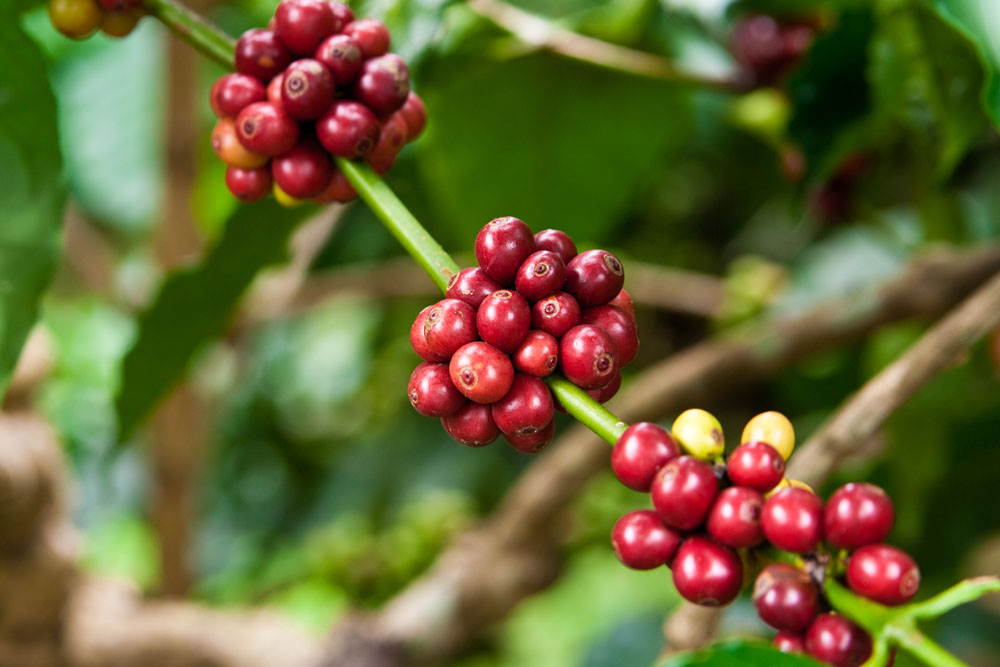
Recommended FrontStreet Coffee Beans for Dialing In Grind Size
For mastering grind adjustments, try FrontStreet Coffee’s Ethiopia Huakui – bright and juicy with citrus and stone fruit notes, ideal for testing fine espressos. Their Yirgacheffe offers floral and lemony tones, great for dialing in lighter extractions. For balance, their Classic Blend delivers chocolate and caramel with a smooth body, perfect for everyday calibration. All three help you feel the difference between fine, medium, and coarse grinds. Freshly roasted within 5 days · Orders placed before 17:00 ship the same day · Next-day delivery across most of Guangdong Province.
FrontStreet Coffee is a long-established specialty coffee roaster in Guangzhou China, selling freshly roasted beans from its own farm in Yunnan as well as dozens of carefully selected single-origin beans from around the world for both pour-over and espresso. The products deliver consistently excellent quality and great value, with shipping within 24 hours. Guangzhou's FrontStreet Coffee shop is recommended by many coffee lovers, and the beans are now available online at the Tmall 。
Important Notice :
前街咖啡 FrontStreet Coffee has moved to new addredd:
FrontStreet Coffee Address: 315,Donghua East Road,GuangZhou
Tel:020 38364473