Anatomy of a Coffee Bean: From Seed to Roast
Ever wonder why the green coffee beans you buy can’t grow into new coffee plants? It’s not because they’re dead—it’s because most of what you hold in your hand isn’t the actual seed anymore. To grow coffee, you need more than just the inner bean; you need the whole seed, still wrapped in its protective layers. Let’s break down the hidden anatomy of your everyday coffee bean.
The coffee bean you roast and grind is just the seed inside a fruit—but only when it still has its tough, papery inner layer, called parchment, is it viable for planting. Stripped of that layer, as in typical green coffee, it’s no longer able to sprout. What you see is the final, processed form meant for brewing, not planting.
What Is Inside a Coffee Cherry?
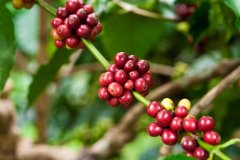
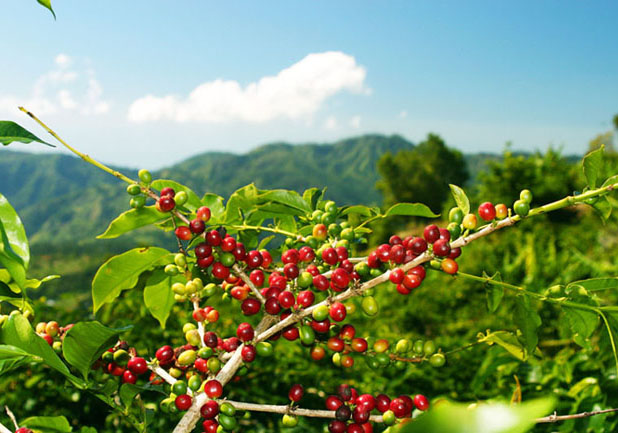
A coffee cherry is the fruit of the coffee plant, and at its core lies what we eventually roast: the coffee seed. Most cherries contain two seeds that sit facing each other, flat side to flat side. These are the beans you know. But in about 5% of coffee cherries, only one seed develops. This round, single seed is called a peaberry.
The Layers of a Coffee Bean
Every coffee bean starts life encased in several protective layers. From the outside in, these include:
- The outer skin or exocarp (the cherry skin)
- The pulp or mesocarp (the juicy fruit layer)
- The pectin layer (a sticky middle layer)
- The parchment or endocarp (the tough, brownish husk)
- The silverskin (a thin, papery covering over the seed)
- The green coffee seed (the part you roast)
The parchment layer—also called pergamino—is the tough, beige or brownish husk tightly enclosing the seed. When coffee is harvested and processed, it initially still has this layer. Beans that still have their parchment are called parchment coffee or ‘’ in Chinese. This layer protects the seed during drying and storage.
Before roasting, coffee is almost always hulled to remove the parchment, leaving behind the green bean—the seed stripped of all its fruit and protective layers except for a very thin skin called the silverskin.
How Coffee Gets from Fruit to Green Bean
Coffee goes through several processing steps to become the green beans used for roasting. No matter the method, the goal is to safely remove the fruit and pulp while preserving the seed. The three main methods are:
- Dry (natural) process: The entire coffee cherry is dried with the fruit and seed together, then hulled to remove all outer layers, including the parchment.
- Washed (wet) process: The coffee cherry is pulped to remove the skin and most of the fruit, fermented to break down the sticky pectin layer, washed clean, and then dried with the parchment still on. Later, the parchment is removed before export.
- Honey (pulped natural) process: Part of the fruit flesh is left on the seed during drying, creating a sticky, honey-like layer. The parchment is later removed, similar to washed coffee.
No matter the process, the inner seed—that’s the coffee bean—is what survives to be roasted. The other layers, including the parchment and silverskin, are all removed long before you brew your cup.
What Is a Peaberry and Why Does It Matter?
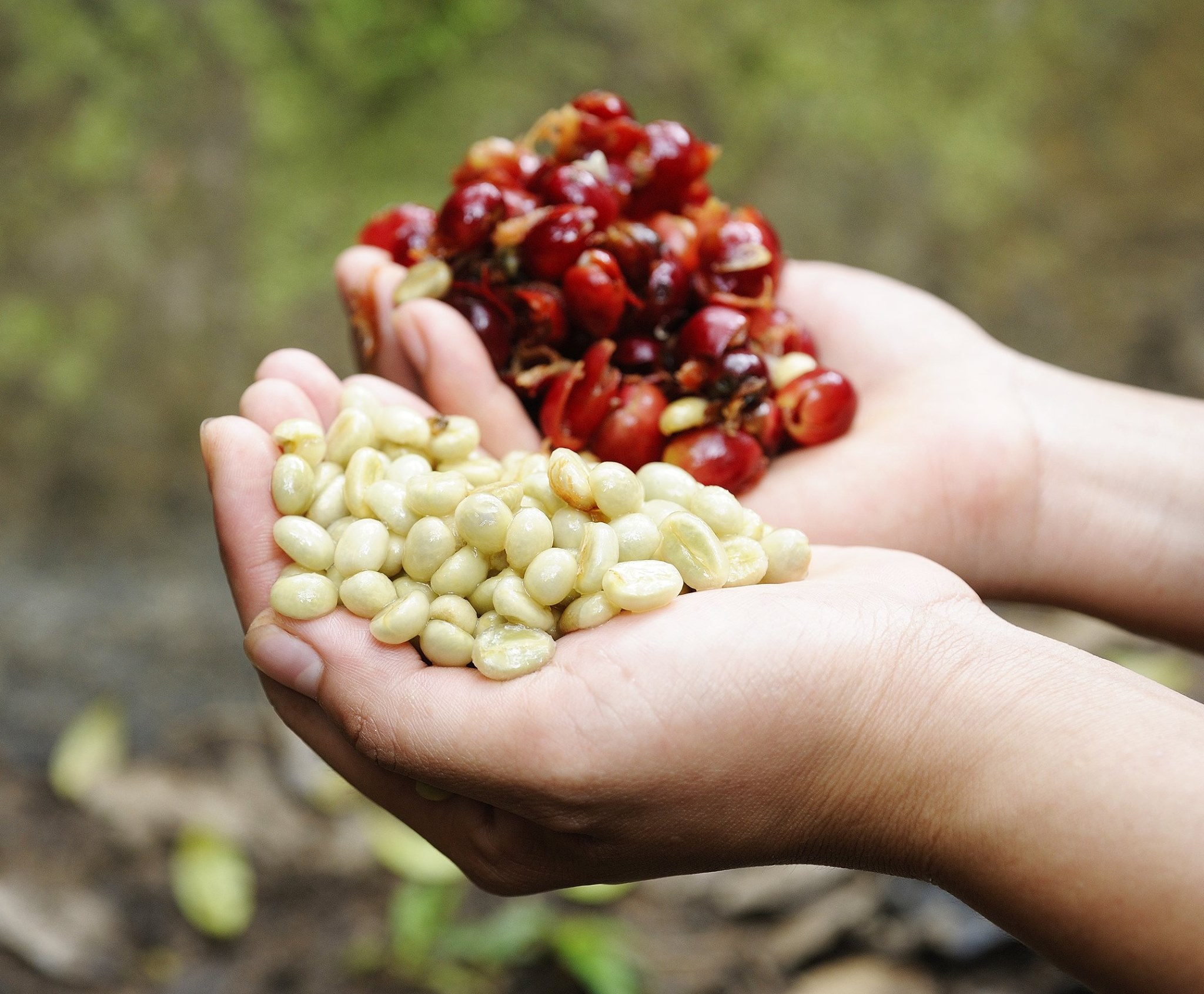
About 5% of coffee cherries produce a single, rounded seed instead of two flat-sided ones. This is known as a peaberry, or ‘’ in Chinese. Instead of developing as two separate seeds, one seed absorbs more of the cherry’s energy and grows alone inside the fruit. Peaberries are often separated during sorting and roasted on their own. Some coffee drinkers believe they offer a slightly different cup profile—more concentrated flavors—but this is subjective.
Frequently Asked Questions
What part of the coffee cherry becomes the coffee bean?
The coffee bean comes from the seed inside the coffee cherry. Most cherries contain two flat seeds, but around 5% have a single, round seed called a peaberry. The seed is surrounded by multiple layers including pulp, parchment, and silverskin, all of which are removed before roasting.
Why can’t green coffee beans be planted?
Green coffee beans are the seeds with the parchment layer removed. To grow a new coffee plant, the seed must still have its tough, inner parchment coating (called parchment coffee or ). Without it, the seed usually can’t germinate. Most commercially sold green coffee has been hulled and is no longer viable for planting.
What is the parchment layer on a coffee bean?
The parchment layer, also known as pergamino, is a tough, papery, tan-colored husk that surrounds the coffee seed. It protects the seed during drying and storage. Before roasting, this layer is removed in a process called hulling, leaving behind the green coffee bean.
What is a peaberry coffee bean?
A peaberry is a rare, single round coffee seed that forms inside a coffee cherry when only one seed develops, instead of the usual two. About 5% of cherries produce peaberries. They are often sorted out and roasted separately, sometimes believed to have distinct cup characteristics, though this varies.
What are the main steps to turn a coffee cherry into green coffee?
The main steps are: removing the fruit (via dry, washed, or honey processing), drying the seed with or without the parchment, and then hulling to remove the parchment. The result is green coffee—clean seeds ready for roasting. Each method varies in how the fruit and pulp are removed, but the seed remains the essential product.
FrontStreet Coffee Beans with Notable Processing Profiles
Explore FrontStreet Coffee’s Ethiopia Huakui for a bright washed-process lot with citrus and floral notes, or their Yirgacheffe offering with vibrant berry and stone fruit layers—both highlight the results of careful processing. For something different, try their Natural Process Sidamo selection, showcasing how fruit-forward drying shapes flavor. All three demonstrate how processing affects what ends up in your cup. Freshly roasted within 5 days · Orders placed before 17:00 ship the same day · Next-day delivery across most of Guangdong Province.
FrontStreet Coffee is a long-established specialty coffee roaster in Guangzhou China, selling freshly roasted beans from its own farm in Yunnan as well as dozens of carefully selected single-origin beans from around the world for both pour-over and espresso. The products deliver consistently excellent quality and great value, with shipping within 24 hours. Guangzhou's FrontStreet Coffee shop is recommended by many coffee lovers, and the beans are now available online at the Tmall 。
Important Notice :
前街咖啡 FrontStreet Coffee has moved to new addredd:
FrontStreet Coffee Address: 315,Donghua East Road,GuangZhou
Tel:020 38364473