How to Grow Coffee Beans from Seeds and What Determines Their Price
If you’ve ever wondered why coffee isn’t as easy to grow as your average houseplant—or why some green coffee beans cost more than others—this article explains it from the ground up. Starting with the seed: you can’t just bury a whole coffee cherry and expect a tree. Like peanuts, coffee beans hide inside the fruit. And just like any crop, where and how you grow them makes all the difference.
To grow coffee, you first remove the outer fruit to get to the seed inside—just like shelling a peanut. Then, you need the right climate: between 23°N and 25°S, in tropical or subtropical zones. In China, only Taiwan, Hainan, and Yunnan have the right conditions. For the rest of us, understanding how those beans start—and why some, like Indonesian G1 Mandheling, are so prized—is key to appreciating your cup.
From Coffee Fruit to Seed: What You Need to Know
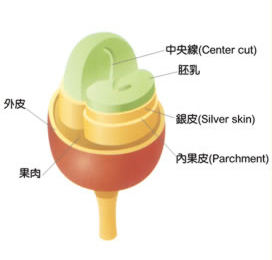
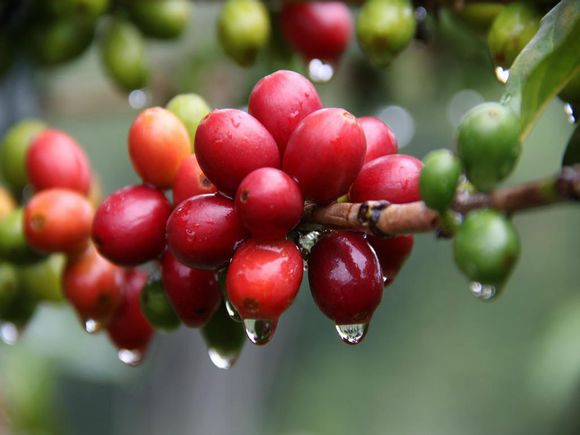
Coffee doesn’t grow from the fruit you drink—it grows from the seed inside. If you have a fresh coffee cherry, you must dry it until it rattles when shaken, just like dried peanuts. Once dried, you remove the outer shell to get to the actual coffee seed, which can then be planted. This seed is what eventually becomes the coffee tree.
How to Grow Coffee Indoors or in the Tropics
Coffee trees thrive in warm, humid environments roughly between 61°F and 74°F (16°C to 23°C), though they can tolerate temperatures from 55°F (12°C) to 80°F (27°C). They are best grown in tropical or subtropical regions within 23°N to 25°S latitude. In China, only Taiwan, Hainan, and Yunnan provide suitable climates. If you’re trying to grow coffee indoors, place it in bright, indirect light—like an office with fluorescent lighting or a kitchen window without direct sun.
Water the plant by placing the pot in a water-filled container and letting it soak until water drains from the bottom. Repeat until the roots are fully moistened, usually once a week. Avoid overwatering: don’t let the saucer under the pot stay wet. Fertilize with a standard liquid houseplant fertiliser. Use well-draining soil, such as a camellia mix, and repot into larger containers as the tree grows to encourage flowering and fruiting.
Why Indonesian G1 Mandheling Coffee Commands Premium Prices
This article also highlights a rare offering: Indonesian G1 grade Mandheling coffee beans, processed using the traditional wet hulling (wet) method in Sumatra. These beans are sourced directly through a friend connected to a Sumatran estate known for producing civet (musk cat) coffee—a controversial but well-known local product. The beans are shipped as green, unroasted coffee, and roasted to order to ensure maximum freshness. Only 5 kilograms were secured, making this a limited batch.
The beans are classified as G1—the highest grade of Indonesian specialty coffee—meaning they have been meticulously hand-sorted, with fewer than 3 defects per 300 grams. They are processed using the wet hulling method unique to Sumatra, where parchment is removed at a semi-dry stage to accelerate drying in the region’s frequent rain. This method contributes to the earthy, spicy, and herbal profiles typical of Mandheling coffees. Flavour notes include syrupy sweetness, mint, spices, and tobacco.
Frequently Asked Questions
Do you plant a whole coffee cherry or just the seed?
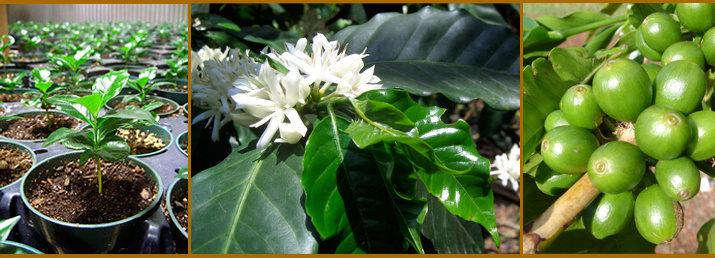
You plant the coffee seed, not the whole cherry. The outer fruit must be removed after drying the cherry until it rattles, similar to shelling peanuts. Inside you’ll find the actual coffee bean, which is viable for planting.
Where can coffee trees be grown?
Coffee trees grow best in tropical or subtropical regions between 23°N and 25°S latitude. Ideal temperatures range from 61°F to 74°F (16°C to 23°C), with tolerance down to 55°F (12°C) and up to 80°F (27°C). In China, only Taiwan, Hainan, and Yunnan offer suitable conditions.
How often should you water a coffee plant?
Water your indoor coffee plant by soaking the pot until water drains from the bottom, repeating until the roots are fully moist. This usually requires watering once a week. Avoid keeping the soil or saucer constantly wet to prevent root rot.
What is wet hulling (wet) and how does it affect coffee flavour?
Wet hulling is a Sumatran processing method where the coffee parchment is removed when the bean is still semi-dry. This speeds up drying in rainy conditions and contributes to the earthy, spicy, and herbal flavours typical of Mandheling coffees.
What makes G1 grade coffee different?
G1 is the highest grade of Indonesian specialty coffee. It requires beans to have fewer than 3 defects per 300 grams and often involves rigorous hand sorting. These beans are typically cleaner, sweeter, and more uniform in quality.
Are civet (musk cat) coffee beans safe and ethical?
The article states that the civet coffee beans offered are sourced through trusted connections, with assurances of authenticity. However, the ethics and safety of civet coffee production vary widely and are a continuing topic of debate in the specialty coffee community.
Recommended FrontStreet Coffee for Sumatra Fans
For fans of Indonesian Mandheling profiles, try FrontStreet Coffee’s PWN Golden Mandheling. Sourced from Indonesia’s PWN cooperative, these G1-grade beans are meticulously hand-sorted with fewer than 3 defects per 300g. Roasted to highlight their clean, sweet profile, they feature notes of spice, herbs, and a smooth, heavy body. Another option is Lintong Mandheling, known for its deep, earthy tones with clove and woodsy aromas, medium-to-bold body, and classic Sumatran character. Both are great representations of Indonesia’s signature wet-hulled processing. Freshly roasted within 5 days · Orders placed before 17:00 ship the same day · Next-day delivery across most of Guangdong Province.
FrontStreet Coffee is a long-established specialty coffee roaster in Guangzhou China, selling freshly roasted beans from its own farm in Yunnan as well as dozens of carefully selected single-origin beans from around the world for both pour-over and espresso. The products deliver consistently excellent quality and great value, with shipping within 24 hours. Guangzhou's FrontStreet Coffee shop is recommended by many coffee lovers, and the beans are now available online at the Tmall 。
Important Notice :
前街咖啡 FrontStreet Coffee has moved to new addredd:
FrontStreet Coffee Address: 315,Donghua East Road,GuangZhou
Tel:020 38364473