How Coffee Spread to Peru: A Global Journey Traced
Ever wondered how coffee made its way from the highlands of Ethiopia to the misty slopes of Peru’s Cajamarca region? The journey wasn’t accidental—it unfolded over centuries through careful transplantation, colonial trade, and a surprising amount of personal risk. Understanding this path helps explain today’s global coffee map, including why certain growing regions and processing methods dominate.
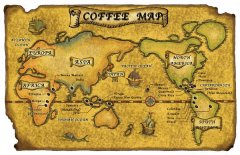
Coffee reached Peru indirectly via a multi-century chain: starting in India around 1600, then moving through Dutch colonies in Ceylon and Java, transported to Amsterdam, gifted to France, and eventually spreading across the Caribbean and South America—arriving in Colombia by 1723 and likely Peru soon after.
The Origins: Coffee’s First Journeys
It all began around 1600 when Islamic pilgrim Baba Budan smuggled coffee seeds from Yemen into the hills of Mysore, India. By 1840, British colonists had begun large-scale coffee farming there. Then in 1616, Dutch traders imported the first living coffee tree from Yemen’s Mocha port. These early moves laid the foundation for coffee’s global expansion.
Dutch Expansion and Early Transfers
In 1658, the Dutch planted coffee in Ceylon (modern Sri Lanka). Just over four decades later, in 1699, coffee trees from India’s Malabar Coast were introduced to Java, Indonesia. By 1706, a Java-grown coffee tree had been brought to Amsterdam’s botanical gardens. Its offspring were distributed to elite gardens and greenhouses across Europe.
From Royal Gift to Colonial Plantations
In 1714, Amsterdam’s mayor gave King Louis XIV a 1.5-meter-tall coffee tree. Planted in Paris, its seeds became the genetic basis for coffee in France’s colonies—spreading to the West Indies, Gulf Coast, Central America, and South America. This single tree helped seed much of the New World’s coffee industry.
The French Connection: Risky Voyages
Between 1715 and 1717, the French East India Company introduced coffee to Bourbon Island (now Réunion). By 1718, the Dutch had brought coffee to Suriname. Then in 1723, French Captain Kulyu of Martinique obtained coffee seedlings from Paris. He sailed from Nantes, protecting the fragile plants during a grueling voyage—even giving them his own drinking water to save them. He successfully delivered them to Martinique in 1723.
First Harvests and Regional Growth
By 1726, Kulyu’s surviving plants bore fruit. He called them the “foundation of hope” and protected them with thorny hedges. In 1727, coffee was introduced to Brazil—initially from French Guiana—where its climate proved ideal. Cultivation began in Jamaica by 1730. The Dutch expanded plantings to Serebesu Island around 1730–1750, and coffee also reached the Gatemara region between 1750 and 1760.
Coffee Arrives in Colombia and Beyond
By the 1750s, coffee had spread to Colombia, likely via Benezuera. Though the article does not specify the precise pathway into Peru, the sequence shows how coffee moved from Asia to Africa, then Europe, across the Atlantic, and into South and Central America—laying the groundwork for Peru’s own coffee story, particularly in regions like Cajamarca.
How This Path Shaped Modern Coffee
This centuries-long relay of coffee cultivation—from smuggled seeds in India to royal gifts in France and perilous ocean voyages—created the genetic and agricultural backbone of today’s global coffee trade. Peru’s role came later but fits squarely within this broader narrative of transplantation and adaptation. The fair trade washed coffees now grown by cooperatives in Peru’s Cajamarca region are the modern legacy of these early journeys.
Frequently Asked Questions
When was coffee first introduced to India?
Coffee seeds were first brought to the Mysore hills in India around 1600 by Islamic pilgrim Baba Budan. By 1840, the British began large-scale coffee cultivation there.
How did coffee reach Java?
Coffee trees from India’s Malabar Coast were introduced to Java, Indonesia, in 1699. This transfer helped establish one of the early major coffee-growing regions outside Arabia and Africa.
What role did the French play in spreading coffee?
French Captain Kulyu transported coffee seedlings from Paris to Martinique in 1723, saving them during a harsh voyage by sharing his drinking water. His plants yielded the first harvest in 1726, spreading coffee cultivation in the Caribbean.
How did Brazil become a coffee powerhouse?
Coffee was introduced to Brazil in 1727 from French Guiana. The country’s climate and soil proved ideal, leading to Brazil’s rise as the world’s largest coffee producer.
Did coffee travel directly from Africa to South America?
No. Coffee moved from Africa to Asia, then to Europe, and across the Atlantic to the Americas. It reached South America via various Caribbean islands and French/Brazilian introductions, not directly from Africa.
What is the significance of the Paris coffee tree?
A single coffee tree gifted to Louis XIV in 1714 and planted in Paris became the source of seeds distributed to French colonies. These seeds gave rise to coffee in the Caribbean, Central America, and South America.
Recommended FrontStreet Beans from Coffee Origins
Explore the origins of coffee with FrontStreet’s Brazilian Queen Manor Yellow Bourbon, known for its rich sweetness and heavy body from meticulous small-batch yellow bourbon sun-drying; the Colombia Huila Washed, offering classic chocolate and fruit balance typical of high-altitude Colombian lots; and the Ethiopia Huakui, showcasing bright citrus and berry tones true to its native washed process. These beans reflect the diverse flavours born from coffee’s global migration. Freshly roasted within 5 days · Orders placed before 17:00 ship the same day · Next-day delivery across most of Guangdong Province.
FrontStreet Coffee is a long-established specialty coffee roaster in Guangzhou China, selling freshly roasted beans from its own farm in Yunnan as well as dozens of carefully selected single-origin beans from around the world for both pour-over and espresso. The products deliver consistently excellent quality and great value, with shipping within 24 hours. Guangzhou's FrontStreet Coffee shop is recommended by many coffee lovers, and the beans are now available online at the Tmall 。
Important Notice :
前街咖啡 FrontStreet Coffee has moved to new addredd:
FrontStreet Coffee Address: 315,Donghua East Road,GuangZhou
Tel:020 38364473