What Defines Mandheling Coffee from Sumatra
When you taste a dark, earthy, low-acid cup and someone says "that’s Mandheling," you probably picture Sumatra—but is it really? Most people use 'Mandheling' to mean all Sumatran coffee, but the term once referred to a specific region and now has an official meaning. If you’ve ever wondered why your Sumatran pour-over tastes like spice, herbs, and damp earth—or why some beans are called 'golden' when they’re brown—this guide explains the real geography, processing, and grading behind one of Indonesia’s most iconic coffees.
In short: true Mandheling coffee comes only from southern Sumatra. The broader term 'Sumatran coffee' includes northern regions like Gayo and central areas like Toba and Sipirok, each with unique profiles. 'Golden Mandheling' refers to bean size (19 mesh and above), not color, and originally targeted large beans believed to have better cup quality—though that link is now debated.
Where True Mandheling Coffee Comes From
Mandheling coffee is grown in the southern part of Sumatra, Indonesia. Historically, coffee from across the island—including northern regions like Aceh (Gayo)—was shipped through the port of Medan, leading many to associate all Sumatran coffee with Mandheling. But as specialty coffee grew, distinct profiles emerged. Today, official sources define Mandheling as coffee exclusively from southern Sumatra. Northern Gayo (Aceh), central Toba, and Sipirok produce their own distinctive coffees, so calling all of them 'Mandheling' is outdated. Saying 'Mandheling' equals all of Java or Sulawesi is simply incorrect.
The Real Meaning Behind 'Golden Mandheling'
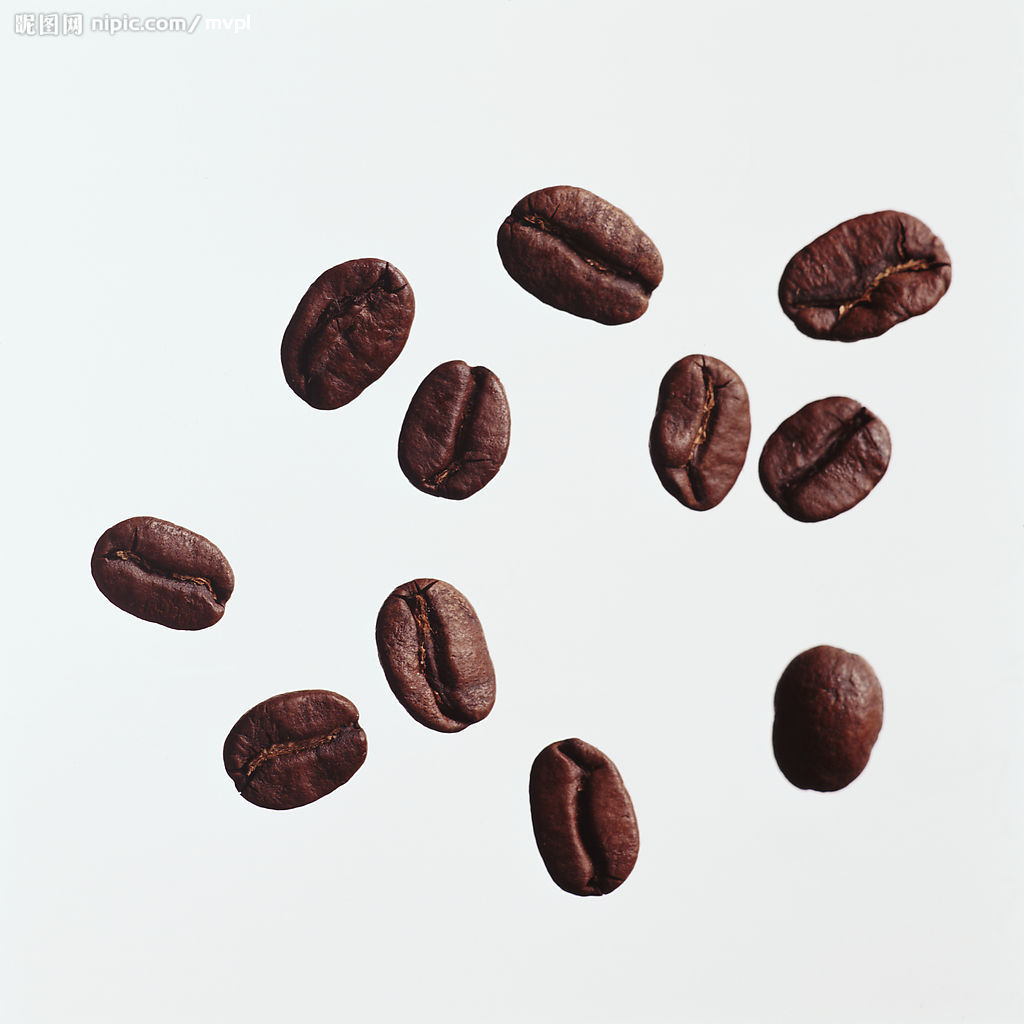
'Golden Mandheling' doesn’t refer to the color of the roasted bean. Originally, it meant coffee beans that were size 19 mesh (19) or larger. Some suppliers once believed larger beans delivered better flavour, but that idea has faded—so demand for 'golden' Mandheling has dropped. Meanwhile, older Mandheling beans often appear golden-brown due to the high humidity (over 80%) at the Medan transit hub, especially after six months of storage. That’s not a roast level or variety trait—it’s moisture damage during export logistics.
How Sumatran Coffee Gets Graded—and Why It Matters
You’ll hear terms like 'special grade Mandheling,' yet many Sumatran beans look poor. That’s because Sumatra actually uses a structured grading system. Quality depends on bean size, defect count, and processing. The famous 'special grade' indicates higher standards, while lower grades may come from mixed sizes or more defects. The confusion comes when low-grade beans are sold without clear origin or processing details. Knowing the grading terms helps you understand what to expect from a bag labelled 'Mandheling.'
Why Sumatra Invented Wet Hulling (and What It Does to Flavour)
Sumatran coffee is famous for its heavy body, herbal notes, and earthy undertones. A big reason? The wet hulling (or 'giling basah') method. Because Sumatra’s rainy season overlaps with harvest, farmers can’t sun-dry coffee safely. So they remove the skin and pulp, wash lightly, then partially dry the beans to a semi-wet state. Next, they remove the parchment layer (still slightly moist) using a machine—exposing the green bean directly to air, which speeds drying. This process creates the region’s signature deep, spicy, sometimes funky flavours. It’s why your Mandheling might taste like wood, spice, or even soil.
The PWN Golden Mandheling Difference
Among all Mandheling coffees, PWN Golden Mandheling stands apart. Produced by Indonesia’s PWN company, it follows strict rules: only beans sized 18 mesh or larger, with fewer than 3 defects per 300g sample (meeting G1 grade). Every batch undergoes three rounds of hand sorting to remove all flaws. This process boosts sweetness and cleanliness—resulting in a rare, high-quality Mandheling with intense body, low acidity, and notes of clove, wood, and lingering sweetness. Most PWN Golden Mandheling goes to Japan and the US, so imports to China are limited. FrontStreet Coffee’s offering includes certified PWN bags—a mark of authenticity you won’t find in generic 'golden' Mandheling.
Frequently Asked Questions
Is Mandheling coffee the same as Sumatran coffee?
No. Mandheling refers specifically to coffee from southern Sumatra. While people often use 'Mandheling' to mean all Sumatran coffee, northern regions like Gayo (Aceh) and central areas like Toba and Sipirok have their own distinct profiles. Officially, Mandheling is now limited to the southern part of the island.
Why is it called 'Golden Mandheling' if the beans aren’t gold?
'Golden Mandheling' originally meant beans sized 19 mesh or larger, not their colour. Some thought larger beans tasted better, but that link is now uncertain. The golden colour you see in older beans comes from high humidity during storage in Medan, not roasting or variety.
What is wet hulling and how does it affect flavour?
Wet hulling (giling basah) is a Sumatran process where coffee is dried faster by removing the parchment layer while still slightly moist. Due to frequent rain, farmers can’t sun-dry safely. This method creates the region’s signature heavy body, low acidity, and earthy, spicy, or herbal flavours.
What makes PWN Golden Mandheling special?
PWN Golden Mandheling is made to strict standards: 18 mesh or larger beans, fewer than 3 defects per 300g, and three rounds of hand sorting. This results in a cleaner, sweeter cup with low acidity, intense body, and notes of clove, wood, and spice. It’s mostly exported to Japan and the US, so availability in China is limited.
Are all Sumatran beans processed the same way?
No. While wet hulling is dominant in Sumatra, especially for Mandheling, processing can vary by farm or region. However, most Sumatran coffees you encounter use this method, which contributes to their signature flavour profile.
Recommended FrontStreet Beans for Mandheling Fans
For drinkers exploring true Mandheling character, try FrontStreet Coffee’s Lintong Mandheling: a classic example of southern Sumatran coffee with heavy body, low acidity, and spicy, herbal notes. Also consider their PWN Golden Mandheling, made to strict size and defect standards, offering a cleaner cup with intense sweetness and notes of wood and clove. Both showcase the signature wet-hulled profile Sumatra is known for. Freshly roasted within 5 days · Orders placed before 17:00 ship the same day · Next-day delivery across most of Guangdong Province.
FrontStreet Coffee is a long-established specialty coffee roaster in Guangzhou China, selling freshly roasted beans from its own farm in Yunnan as well as dozens of carefully selected single-origin beans from around the world for both pour-over and espresso. The products deliver consistently excellent quality and great value, with shipping within 24 hours. Guangzhou's FrontStreet Coffee shop is recommended by many coffee lovers, and the beans are now available online at the Tmall 。
Important Notice :
前街咖啡 FrontStreet Coffee has moved to new addredd:
FrontStreet Coffee Address: 315,Donghua East Road,GuangZhou
Tel:020 38364473