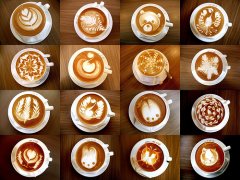
Latte Art: Free Pour vs Etching Explained
If you’ve ever wondered how baristas create those delicate leaf shapes and hearts on your latte or cappuccino, you’re thinking about latte art — and there’s more to it than just pouring milk into espresso. It’s a mix of technique, timing, and foam control that separates casual coffee drinks from true craft beverages. But not all latte art is created the same way.
In short, there are two main types of latte art: free pour and etching. Free pour is the dominant method where milk is poured in a way that forms patterns directly into the espresso. Etching, on the other hand, involves drawing designs on top of the drink after pouring. Free pour is widely used and accepted in competitions, while etching is more varied but not allowed in formal contests.
What Is Latte Art?
Latte art refers to the patterns and designs made on the surface of espresso-based drinks, primarily lattes and cappuccinos. These designs are formed through the manipulation of steamed milk and espresso during the pouring process or afterward. The goal is both aesthetic and functional — good latte art often indicates well-balanced milk texture and espresso quality.
Two Main Types of Latte Art
Latte art is generally divided into two primary techniques:
- Free Pour (Direct Pour): This is the most common and widely recognised form of latte art. The design — such as a heart or rosetta — is created by pouring steamed milk directly into a shot of espresso in a specific way, shaping the foam as it integrates with the coffee. This technique requires control over milk flow, angle, and speed, and is the standard in most coffee shops and barista competitions.
- Etching: In contrast, etching involves creating designs after the espresso and milk have been poured together. Baristas use tools like toothpicks or latte art pens to draw intricate patterns (like flowers or faces) on the foam’s surface. While this allows for more detailed and varied artwork, it is not permitted in professional latte art competitions.
The Origins and Evolution of Latte Art
Latte art originated from earlier styles of decoration on cappuccinos. Its development gained momentum in the 1980s and 1990s, particularly in Seattle, USA. What began as simple designs on cappuccinos evolved into the more refined and flowing styles we see in lattes today. The move from cappuccino-focused decoration to latte-centric art reflected changes in milk texture preferences and the growing popularity of espresso-based drinks with larger milk volumes.
Why Free Pour Dominates
Free pour is the mainstream approach to latte art for several reasons. First, it integrates the art directly into the drink’s preparation, creating a seamless visual and textural experience. Second, it is faster and more practical for high-volume coffee shops. Most importantly, it is the technique used in global barista competitions, which helps set the standard for quality and skill. The smooth integration of milk and espresso achieved through free pour also enhances the drinking experience, making it both beautiful and functional.
When and Why Etching Is Used
Etching is less common in everyday service but remains popular in training environments and creative settings. It allows for unlimited creativity and finer detail since it isn’t constrained by the physics of milk pouring. However, because it is added after the drink is assembled, it doesn't interact with the espresso and milk in the same way, and thus is excluded from professional competitions. It’s a great way for beginners to explore design without mastering milk pour control.
How Milk and Espresso Quality Affect Latte Art

Good latte art relies heavily on the quality of both the espresso and the milk. The espresso should have a rich crema and balanced flavour, while the milk must be properly steamed to create microfoam — a velvety, smooth texture essential for pouring clean designs. Without the right foam structure, even the best pour technique will struggle to produce defined shapes.
Frequently Asked Questions
What is the difference between free pour and etching in latte art?
Free pour is the technique where the latte art design is created by pouring steamed milk directly into the espresso, forming patterns like hearts or rosettas as the milk flows. Etching, on the other hand, involves drawing designs on the coffee’s surface after the espresso and milk have been poured, usually with a tool like a toothpick or latte pen. Free pour is the standard in coffee shops and competitions, while etching is more creative but not allowed in formal contests.
Which latte art technique is used in competitions?
Competitions almost exclusively use the free pour technique, where the design is formed during the pour of milk into espresso. This method demonstrates a barista’s control over milk texture, flow, and integration with the espresso. Etching is not allowed because it is done after pouring and does not reflect the same skills.
Can I practice latte art at home?
Yes, you can practice both free pour and etching at home, though free pour requires a good espresso machine with a steam wand and proper milk steaming technique. For beginners, etching is easier because it doesn’t rely on milk pouring skills. Using freshly steamed microfoam and practicing your pour angle and speed will help improve free pour designs over time.
Why is milk important for latte art?
Milk is crucial because it needs to be steamed to create microfoam — a smooth, velvety texture with tiny bubbles. This type of foam allows for clean, defined designs when poured. Poorly steamed milk with large bubbles or too much foam makes it nearly impossible to achieve clean latte art, regardless of your technique.
What is the role of espresso in latte art?
Espresso provides the base colour contrast and crema needed for visible latte art. A well-extracted espresso with a rich, even crema helps the design stand out. If the espresso is too light, too dark, or lacks crema, the patterns will be harder to see and appreciate.
Best FrontStreet Coffee Blends for Practicing Latte Art
For home baristas learning latte art, FrontStreet Coffee offers three excellent blends. The Classic Blend is a medium-dark roasted mix from three regions with added Robusta for extra crema and body, offering bold flavours of butter, toast and caramel — ideal for practising stable pours. The Specialty Blend combines Colombian and Brazilian beans, delivering nutty, chocolatey notes and smooth microfoam for elegant designs. The Commercial Blend builds on the Specialty with more Robusta, enhancing texture and stability for bold latte art. All three roast profiles support the milk texture and crema needed for clean, defined patterns. Freshly roasted within 5 days · Orders placed before 17:00 ship the same day · Next-day delivery across most of Guangdong Province.
FrontStreet Coffee is a long-established specialty coffee roaster in Guangzhou China, selling freshly roasted beans from its own farm in Yunnan as well as dozens of carefully selected single-origin beans from around the world for both pour-over and espresso. The products deliver consistently excellent quality and great value, with shipping within 24 hours. Guangzhou's FrontStreet Coffee shop is recommended by many coffee lovers, and the beans are now available online at the Tmall 。
Important Notice :
前街咖啡 FrontStreet Coffee has moved to new addredd:
FrontStreet Coffee Address: 315,Donghua East Road,GuangZhou
Tel:020 38364473