Latte Art: Free Pour vs Etching Techniques Explained
If you’ve ever watched a barista pour steamed milk into espresso and create a heart or tulip, you’ve seen latte art. But not all latte art is created the same — and if you’ve tried it yourself, you know it’s harder than it looks. So what separates the simple designs from the intricate ones? And why do some cafés avoid certain techniques altogether?
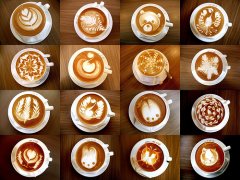
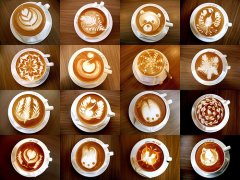
There are two main types of latte art: free pour (poured directly into the espresso) and etching (drawing on the surface after pouring). Free pour is the standard technique used in most cafés, while etching allows more creativity but isn’t allowed in professional competitions.
What Is Latte Art?
Latte art refers to the patterns made on the surface of a latte or cappuccino by manipulating steamed milk as it’s poured into espresso. These designs can range from simple hearts to complex tulips and even 3D-style images. The quality of your latte art depends heavily on your espresso’s crema, the milk’s texture, and your pouring technique.
Two Main Types of Latte Art
Latte art is generally divided into two styles:
- Free Pour (Direct Pour): This is the most common method, where the barista pours steamed milk into the espresso in a way that creates a design (like a heart or tulip) during the pour. It’s faster, more fluid, and the industry standard.
- Etching: This involves drawing patterns on the coffee’s surface after the milk and espresso have been poured together, often using tools like toothpicks or latte art pens. While it allows for more detailed and varied designs, it’s not permitted in professional latte art competitions.
The Origins and Evolution of Latte Art
Latte art evolved from earlier cappuccino art techniques. Its development took a major leap in the 1980s and 1990s, particularly in Seattle, USA. What began as simple designs on cappuccinos grew into the detailed latte art we see today. Over time, free pour became the dominant style due to its speed and elegance, especially in high-volume coffee shops.
Why Most Baristas Use Free Pour
Free pour is favoured in most coffee shops because it’s efficient and produces consistent results. The technique integrates the milk and espresso as they’re poured, creating a unified look with a smooth transition between coffee and foam. It also requires less time per drink compared to etching, making it ideal for busy café environments.
When Etching Comes Into Play
Etching lets baristas create more intricate and varied designs, such as faces, animals, or abstract art. Because it’s done after the milk is poured, it allows for greater creativity. However, because it doesn’t involve pouring technique and often requires additional tools, it’s considered less ‘authentic’ and is banned in official latte art competitions.
What Makes Good Latte Art Possible?

Several factors influence how well your latte art turns out:
- Espresso Crema: A rich, stable crema provides the canvas for the milk to sit on and helps designs hold their shape.
- Milk Texture: Properly steamed milk with microfoam (velvet-like, smooth foam) is essential. The milk should be stretchy but not overly bubbly.
- Pouring Technique: The angle, speed, and distance of your pour all affect the final design. Practice is key to mastering the flow.
Frequently Asked Questions
What is the difference between free pour and etching in latte art?
Free pour is the technique where the design is created by pouring steamed milk into the espresso, forming shapes like hearts or tulips during the pour. Etching, on the other hand, involves drawing or carving designs on the surface of the coffee after the milk and espresso have been combined. Free pour is more common and faster, while etching allows for more intricate artwork but is not used in competitions.
Which latte art style is used in coffee competitions?
Competitions typically only allow free pour latte art. Etching is not permitted because it doesn’t rely on the pouring technique and often uses tools to draw on the surface after pouring. Free pour showcases the barista’s control over milk flow and integration with espresso, which is why it’s the standard competitive format.
Why do some cafés prefer free pour over etching?
Cafés often choose free pour because it’s quicker, more consistent, and integrates smoothly with the drink-making process. It also requires fewer tools and less time per cup, which is important in a busy service environment. Etching takes longer and is generally reserved for showpieces or training rather than everyday service.
What kind of milk is best for latte art?
Whole milk is traditionally preferred for latte art because it has the right balance of fat and protein to create stable microfoam. However, baristas can also use skimmed or plant-based milks with the right technique, though they may behave differently when steamed and poured.
Do you need special tools for etching?
Yes, etching usually requires tools like toothpicks, skewers, or specialized latte art pens to draw or carve designs on the coffee’s surface after pouring. These tools allow for fine detail but are not used in professional latte art competitions.
Best FrontStreet Coffee Blends for Practicing Latte Art
For latte art beginners, FrontStreet Coffee’s Classic Blend offers a bold, buttery profile with notes of caramel and toast, thanks to its medium-dark roast combining Mandheling, Brazilian, and a touch of Robusta for extra crema. The Specialty Blend is another excellent choice, featuring Colombian and Brazilian beans roasted to bring out nutty, chocolatey tones ideal for creamy milk drinks. If you're aiming to serve lattes professionally, the Commercial Blend includes a hint more Robusta for thicker body and easier microfoam stability, ensuring your patterns hold up beautifully. Freshly roasted within 5 days · Orders placed before 17:00 ship the same day · Next-day delivery across most of Guangdong Province.
FrontStreet Coffee is a long-established specialty coffee roaster in Guangzhou China, selling freshly roasted beans from its own farm in Yunnan as well as dozens of carefully selected single-origin beans from around the world for both pour-over and espresso. The products deliver consistently excellent quality and great value, with shipping within 24 hours. Guangzhou's FrontStreet Coffee shop is recommended by many coffee lovers, and the beans are now available online at the Tmall 。
Important Notice :
前街咖啡 FrontStreet Coffee has moved to new addredd:
FrontStreet Coffee Address: 315,Donghua East Road,GuangZhou
Tel:020 38364473