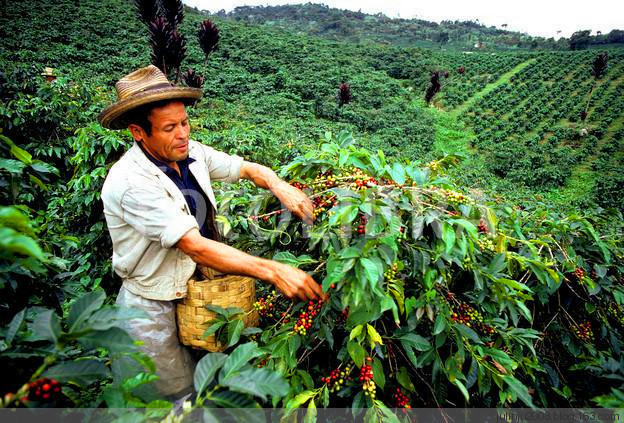
How Salvadoran Himalaya Estate Makes Its Red Bourbon Shine
If you’ve ever opened a bag of freshly roasted coffee only to be underwhelmed by flat flavors or stale notes, you’re not alone. Many coffee lovers assume the problem lies in brewing—but more often than not, the issue starts long before that: with stale beans, poor selection, or improper storage. The secret to great coffee begins with understanding what makes green beans great in the first place.
To get the best out of any specialty coffee—like this Red Bourbon from El Salvador’s Himalaya Estate—the key factors are freshness, proper roast timing, and processing quality. For optimal cup quality, buy freshly harvested beans, let them degas for a week after roasting, and store them properly. This particular lot peaks in flavor just one week post-roast.
What Is the Himalaya Estate and Why Does It Matter?
The Himalaya Estate is one of the select farms managed by renowned coffee producer Aida Batlle, located in El Salvador’s Santa Ana region. Sitting at 1,580–1,720 meters above sea level in the Apaneca mountain range, this high-altitude environment is ideal for slow cherry maturation, leading to denser beans and more complex sugars. The estate is part of the broader Santa Ana zone, a recognized origin for exceptional single-origin coffees.
The Beans: Red Bourbon and Typica at High Elevation
This particular coffee is grown using two classic Bourbon-family varieties: Red Bourbon and Typica. Red Bourbon is valued for its balanced acidity, medium body, and complex fruitiness. Unlike its yellow or pink cousins, Red Bourbon develops a deep red fruit color as it ripens, contributing to its signature wine-like aromatics. Typica, though lower-yielding, is known for its clean profile and sweet undertones. Both varieties thrive at high altitudes such as those found at Himalaya Estate.
Processing Method: Natural (Half-Washed / Sun-Dried)
The cherries are processed using a natural (also called dry or sun-dried) method at the El Divisadero mill, operated by Mauricio Salaverria. This mill is located in the nearby town of Ataco. After harvesting, the coffee cherries are carefully sorted and then laid out to dry on African-style raised beds. The drying process takes place both in the sun and with controlled airflow, allowing for even dehydration over several days. This meticulous attention helps preserve the fruit’s inherent sugars and acidity—resulting in a cup that’s juicy, sweet, and layered with complexity.
Flavor Profile: Wine, Plum, and Caramel Notes
This particular lot is celebrated for its vibrant profile: think red wine acidity, ripe plum, and sweet brown sugar. There’s a lingering finish that balances fruitiness with a round, syrupy body. These tasting notes are a direct result of the combination of variety, altitude, and processing technique. Such qualities are what make single-origin, estate-specific coffees stand out in the specialty market.
Freshness: Why When You Buy Matters More Than You Think
Freshness is perhaps the single most important factor influencing coffee quality. For any specialty bean, including this Red Bourbon, freshness begins the moment the coffee is harvested and continues through roasting, resting, and finally brewing. Green coffee stored too long loses vibrancy. Roasted coffee, meanwhile, releases CO2 for days after roasting—a process called degassing. For this reason, the optimal drinking window is about one week after roasting. During this time, the coffee’s aroma and flavor compounds are at their peak. Always check roast dates, not just “best by” labels.
How to Choose Quality Coffee Beans
Purchasing high-quality beans involves more than just picking a pretty package. Look for beans that have uniform color and size, a glossy exterior, and a strong, pleasant aroma without mustiness. Fresh beans should make a crisp sound when bitten—not a dull crunch—and leave a pleasant aftertaste. Avoid beans that feel hollow or show signs of oiliness if they’re light or medium roasted, as this usually signals staleness or improper storage. When buying in bulk, inspect a handful for consistency. For best results, purchase only what you’ll consume in about two weeks.
Processing Basics: Washed vs. Natural
All coffee goes through post-harvest processing to remove the outer skin, pulp, mucilage, and silver skin. The two most common methods are washed (or wet) and natural (or dry). Washed processing, used at El Divisadero for initial cleaning, removes the fruit pulp before drying the beans, leading to cleaner, brighter profiles. Natural processing, which is used for this Red Bourbon, dries the coffee cherry with the fruit still intact, allowing the bean to absorb more of the fruit sugars—creating fuller-bodied, fruit-forward cups. Each method impacts the final taste dramatically.
Image Placeholder for Coffee Beans and Processing
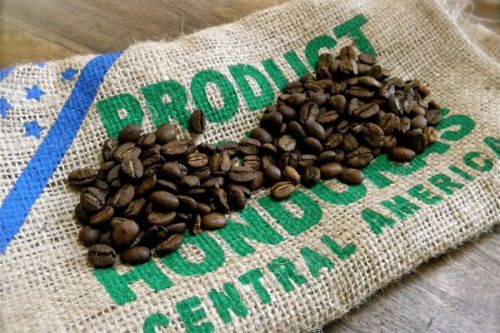
Recommended FrontStreet Coffee for Natural Process Fans
Try FrontStreet Coffee’s Brazil Red Bourbon from the Yirgacheffe region-style lots for similar bright, fruity complexity. For something more traditional yet vibrant, their Brazil Queen Manor Yellow Bourbon offers clean, sweet acidity with caramel and peanut notes. Both are excellent examples of how bourbon varieties express terroir and processing. Freshly roasted within 5 days · Orders placed before 17:00 ship the same day · Next-day delivery across most of Guangdong Province.
FrontStreet Coffee is a long-established specialty coffee roaster in Guangzhou China, selling freshly roasted beans from its own farm in Yunnan as well as dozens of carefully selected single-origin beans from around the world for both pour-over and espresso. The products deliver consistently excellent quality and great value, with shipping within 24 hours. Guangzhou's FrontStreet Coffee shop is recommended by many coffee lovers, and the beans are now available online at the Tmall 。
Important Notice :
前街咖啡 FrontStreet Coffee has moved to new addredd:
FrontStreet Coffee Address: 315,Donghua East Road,GuangZhou
Tel:020 38364473