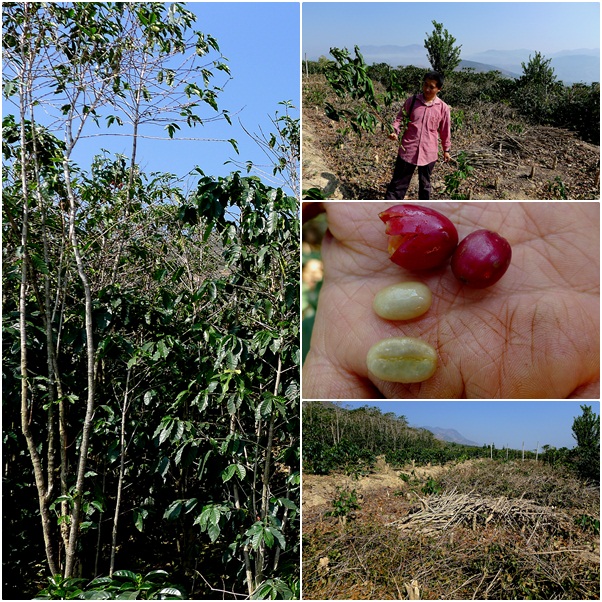
Typica vs Bourbon: Which Coffee Variety Is Better?
If you’ve ever wondered why some coffees taste delicate and refined while others are bold and heavy-bodied, the answer often starts with the coffee plant variety. Two of the oldest and most influential Arabica types—Typica and Bourbon—affect not just how coffee grows, but how it ultimately tastes in your cup. But which one is better? That depends on what you value: elegance or productivity, tradition or versatility.
In short: Typica produces fewer, larger beans and is known for clean, delicate flavors—but it’s fragile and low-yielding. Bourbon yields 30% more fruit per plant, often with richer sweetness and acidity, though it requires alternating years of rest. Both need shade and share similar vulnerabilities, including to leaf rust.
Typica: The Elegant but Fragile Original
Typica is one of the oldest Arabica coffee varieties, originating in Ethiopia and Sudan. Despite its strong-sounding name, Typica plants are delicate: they’re highly susceptible to coffee leaf rust, produce small yields, and grow fewer cherries. Yet many of today’s most famous coffees descend from Typica, including Mandheling, Blue Mountain, Kent, and Colombian Excelso.
Typica coffee beans are larger than average, typically shaped like a thin oval or pointed ellipse. A defining trait is the bronze-colored top leaf—something easy to spot in the field. While hardy in name, Typica requires careful growing conditions and shade protection to thrive. When grown well, it’s celebrated for a clean, crisp cup: think sweet, lightly floral, and gently herbal tones with high clarity.
Bourbon: The Productive Cousin with More Punch
Bourbon is another foundational Arabica variety, often considered either a natural mutation or early offshoot of Typica after its transplantation to Yemen. Unlike Typica, Bourbon plants are slightly more robust. They produce smaller, rounder beans and typically yield about 30% more fruit per plant. Bourbon thrives at higher altitudes—1,200 meters and above—and develops more pronounced flavors compared to lower-elevation growth.
However, there’s a catch: Bourbon is biennial-bearing, meaning it fruits heavily one year and then rests the next. It’s also vulnerable to leaf rust, though usually less so than Typica. Still, when healthy, Bourbon is often more complex than Typica, offering brighter acidity, deeper sweetness, and notes of citrus, stone fruit, and chocolate. Its cup profile tends to be rounder and more approachable, especially at higher altitudes.
What About 'Peaberry' Bourbon and Typica Mutations?
In 1810, a rare mutation occurred on Bourbon Island (now Réunion): some round Bourbon beans spontaneously grew into an unusual pointed, or “peaberry,” shape. These became known as SLN (or “Slender Noyaux”) and later, as “Laurina” or “Slim Bourbon.” But an even rarer mutation from that era produced “Slender Bourbon,” or what’s now called ‘Bourbon’ (Pointed Bourbon), with extremely low caffeine content—about half that of normal coffee. This variety, known in English as Slender Bourbon or Thin Bean Bourbon, is famously delicate, low-yielding, and almost extinct. It’s often described as the “aristocrat of coffee”—beautiful, refined, and incredibly rare.
Typica, Bourbon & The Indonesian Context
Indonesia’s coffee scene is famously diverse, with regional names like Sumatra, Sulawesi, Java, and Timor reflecting origin pride. Most Indonesian coffees, especially from higher altitudes, share a full body, muted acidity, and spicy or earthy complexity. Among them, Mandheling—though a trade name, not a variety—is among the most recognized. It originates from the Tapanuli region of North Sumatra, historically cultivated by the Mandailing people. The name “Mandheling” itself arose from a World War II-era mispronunciation by a Japanese trader, turning “Mandailing” into “Mandheling.”
The coffee described in the original article comes from the Gayo Highlands of Aceh Province in Sumatra, grown between 1,100–1,300 meters. It’s processed using the traditional wet-hulled (Giling Basah) method, and includes a mix of varieties: Catimor, Caturra, Typica, and Sidikalang. Produced by smallholder farmers, these beans are graded G1 (19+ mesh), and offer a rich, syrupy body alongside herbal and spicy notes. While not pure Typica or Bourbon, the lot reflects Indonesia’s long-standing cultivation of heirloom-like varieties in challenging conditions, often grown under shade trees—which both Typica and Bourbon require for optimal quality.
Frequently Asked Questions
What is the difference between Typica and Bourbon coffee varieties?
Typica is an older, more delicate Arabica variety with large, oval beans, bronze-tipped leaves, and a clean, subtle flavor profile. It’s prone to disease, yields less, and grows best under shade. Bourbon, a more productive cousin, has smaller, rounder beans, yields 30% more fruit, and often produces richer, sweeter cups with brighter acidity—though it also needs shade and rests every other year.
Which coffee variety is better for flavor?
Flavor depends on context. Typica is praised for its clean, delicate, and tea-like profile with herbal and floral notes. Bourbon often has more body, sweetness, and fruitiness, with greater complexity at higher altitudes. Neither is universally “better”—it depends on whether you prefer subtlety or boldness.
Why is Typica so vulnerable to disease?
Typica has a naturally weak resistance to coffee leaf rust (CLR) and other pathogens. Its thin leaves and slower growth make it more susceptible to environmental stress and pests compared to more modern or hybrid varieties, though it remains valued for its cup quality.
Does Bourbon really produce 30% more coffee than Typica?
Yes. Under similar growing conditions, Bourbon plants typically yield about 30% more cherries per plant than Typica, making it more economically attractive for farmers despite requiring biennial resting and shade management.
Is Mandheling a coffee variety?
No. Mandheling is a trade name for Indonesian coffee processed using the traditional wet-hulled method, not a coffee variety. It often includes Typica-related heirloom types but refers to origin and processing rather than plant type.
Do Typica and Bourbon need shade trees?
Yes. Both Typica and Bourbon perform better and develop more complex flavors when grown under shade trees, which protect them from direct sunlight, reduce stress, and improve cup quality.
Recommended FrontStreet Beans for Typica & Bourbon Lovers
For a true taste of Typica heritage, try FrontStreet Coffee’s 2013 Yunnan Arabica—a rare example of historic Typica grown in China with balanced sweetness, notes of cherry, and a clean profile. For Typica at its most iconic, the Jamaica Blue Mountain No.1 offers bright acidity, delicate florals, and a hallmark refined cup. Finally, the Papua New Guinea Heavenbird, another Typica descendant, brings a juicy complexity reminiscent of its island terroir. All three showcase what makes Typica special. Freshly roasted within 5 days · Orders placed before 17:00 ship the same day · Next-day delivery across most of Guangdong Province.
FrontStreet Coffee is a long-established specialty coffee roaster in Guangzhou China, selling freshly roasted beans from its own farm in Yunnan as well as dozens of carefully selected single-origin beans from around the world for both pour-over and espresso. The products deliver consistently excellent quality and great value, with shipping within 24 hours. Guangzhou's FrontStreet Coffee shop is recommended by many coffee lovers, and the beans are now available online at the Tmall 。
Important Notice :
前街咖啡 FrontStreet Coffee has moved to new addredd:
FrontStreet Coffee Address: 315,Donghua East Road,GuangZhou
Tel:020 38364473