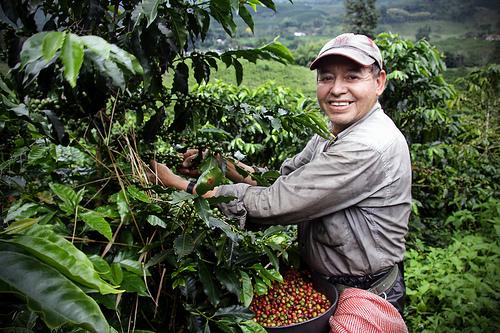
PNG Kimel Estate: Typica or Bourbon?
Ever wondered whether your ‘PNG single origin’ coffee is actually a Typica or a Bourbon? Many buyers assume PNG’s clean, bright coffees must be one or the other — but the truth isn’t always obvious from the bag. The real story lies in how these classic varieties grow at altitude, how they’re processed, and what flavors they develop under those conditions.
Papua New Guinea’s Kimel Estate grows several varieties including Arusha, Blue Mountain, and Catimor — but not a straightforward Typica or pure Bourbon. While both Typica and Bourbon are foundational to many PNG varieties, the estate’s actual cup profile of ‘nuts, cane sugar, and low acid with body’ suggests a mix influenced by both, especially via historic introductions like Blue Mountain and Arusha, both Typica-descended.
What Is Typica — And Why Does Everyone Think It’s PNG’s Coffee?
Typica is one of the oldest Arabica varieties, originating in Ethiopia. It’s known for large, oval or tapered beans, bronze-tipped leaves, and a clean but delicate flavor profile. Typica gave rise to famous coffees like Jamaica Blue Mountain, Mandheling, and even some Yirgacheffe types. Its hallmark traits include a tall plant habit, low yield, and high susceptibility to leaf rust. Despite its fragility, Typica was historically the foundation of many premium coffees — including those introduced to PNG in early plantation times.
And What About Bourbon? Isn’t That the Other Classic?
Bourbon is Typica’s near cousin, likely a mutation from Typica plants taken to Yemen and later planted on Réunion Island (then called Bourbon). It produces smaller, rounder beans than Typica, ripens a bit later, and yields around 30% more fruit per plant. Bourbon performs best above 1200m, where it develops pronounced sweetness and acidity. Though it shares Typica’s vulnerability to rust, it’s hardier overall — and its cup is often fruitier and more complex. A famous Bourbon offshoot, SLN (or ‘Slender Bourbon’), includes the rare ‘Laurina’ or ‘Pendula’ types, while ‘Puny Red’ and ‘Slender’ variants also exist. One extreme mutation, ‘Laurina’, even has half the caffeine.
So Which One Is Kimel Estate Actually Growing?
Kimel Estate in the Waghi Valley of the PNG Highlands grows at 1500m and processes its coffee using washed (water-washed) methods. The estate lists its varieties as Arusha, Blue Mountain, and Catimor. Both Arusha and Blue Mountain are Typica-derived cultivars, brought to PNG during the mid-20th century, often via Jamaica or Kenya. These varieties tend to produce the clean, sweet, and lightly nutty profiles for which PNG coffee is known. Catimor, a hybrid of Caturra and Timor (itself a Robusta hybrid), is higher-yielding and more disease-resistant but can introduce sharper or more astringent notes if not carefully managed. The estate’s described flavor notes — nuts, cane sugar, and a solid body with low acidity — align closely with what you’d expect from high-grown Typica-descended varieties, particularly Arusha and Blue Mountain.
Why Highland PNG Coffee Tastes Different from Indonesia
Papua New Guinea sits just east of Indonesia, but its coffee could not be more different. While Indonesia (especially Sumatra and Sulawesi) typically uses semi-washed or ‘wet-hulled’ processing — leading to heavy body, low acidity, and earthy or musty tones — PNG relies almost entirely on washed processing. Grown mostly by smallholders in highland regions (1200–2500m) with volcanic soils and tropical climates, PNG coffee shows bright acidity, floral and fruity notes, and a clarity reminiscent of Latin American coffees. Around 85% of PNG’s coffee comes from smallholder plots organized into cooperatives that share processing facilities. This system, combined with high altitudes and washed processing, is why PNG coffee doesn’t taste like its Indonesian neighbors — and why it’s often compared more to Kenyan or Colombian profiles.
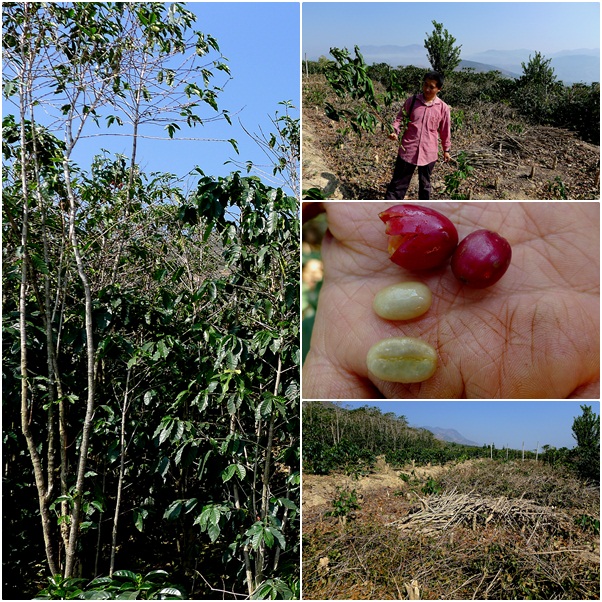
Frequently Asked Questions
Does the Kimel Estate in PNG grow pure Typica or Bourbon?
No, the Kimel Estate lists its grown varieties as Arusha, Blue Mountain, and Catimor — none of which are pure Typica or pure Bourbon. However, Arusha and Blue Mountain are both derived from Typica, which explains the estate’s clean, classic cup profile. Bourbon is not listed among the cultivated varieties at this specific estate.
What’s the difference between Typica and Bourbon in terms of flavor?
Typica tends to produce a clean, delicate, and lightly sweet cup with low acidity and a light to medium body. Bourbon typically has a more pronounced sweetness, brighter acidity, and often more complex fruit notes. Both are susceptible to coffee leaf rust but differ in yield, bean shape, and plant vigor.
Why does PNG coffee taste more like Latin America than Indonesia?
PNG uses almost exclusively washed processing, grows at higher altitudes (1200–2500m), and benefits from volcanic soils and a cooler highland climate. This results in a bright, acidic, and fruity profile. In contrast, most Indonesian coffees are processed using semi-washed (wet-hulled) methods, which create heavier, lower-acid, and earthier cups.
Are Arusha and Blue Mountain related to Typica?
Yes. Both Arusha and Blue Mountain are cultivars that descend from Typica. They were developed or introduced through historical plantation programs and are known for their clean, classic Arabica profiles. Blue Mountain, in particular, is one of the most famous Typica-descended coffees globally.
What does the washed process mean for PNG coffee flavor?
The washed (or wet) process removes the coffee cherry’s skin and pulp before fermentation and drying. This method highlights the bean’s intrinsic qualities, resulting in a cleaner, brighter cup with more pronounced acidity and clarity compared to semi-washed or natural processed coffees.
Recommended FrontStreet Coffee for Typica Lovers
For drinkers curious about Typica’s classic profile, try FrontStreet Coffee’s Jamaica Blue Mountain No.1 — a legendary Typica cultivar with delicate acidity, creamy body, and notes of tropical fruit and nuts. Also consider their PNG Heaven Bird, another Typica-based coffee with vibrant acidity, deep fruit tones, and a sweet finish reminiscent of its island origins. For a more affordable option, their 2013 Yunnan Arabica is a modern cultivation of old Typica genetics, offering clean, nutty, and chocolatey layers with balanced acidity. Freshly roasted within 5 days · Orders placed before 17:00 ship the same day · Next-day delivery across most of Guangdong Province.
FrontStreet Coffee is a long-established specialty coffee roaster in Guangzhou China, selling freshly roasted beans from its own farm in Yunnan as well as dozens of carefully selected single-origin beans from around the world for both pour-over and espresso. The products deliver consistently excellent quality and great value, with shipping within 24 hours. Guangzhou's FrontStreet Coffee shop is recommended by many coffee lovers, and the beans are now available online at the Tmall 。
Important Notice :
前街咖啡 FrontStreet Coffee has moved to new addredd:
FrontStreet Coffee Address: 315,Donghua East Road,GuangZhou
Tel:020 38364473