Arabica or Robusta? The Story Behind Indonesian Kopi Luwak Coffee
When you hear ‘Kopi Luwak’ or see a bag labeled ‘Indonesian cat poop coffee,’ your first thought might be: is this really coffee? And if so, is it the high-quality Arabica or the harsher Robusta? With over 100 known coffee varieties, knowing what you’re drinking matters—especially when the label includes exotic claims and a sky-high price.
This coffee is from Indonesia, specifically Sumatra, and is labeled G1 grade with a medium-dark roast done via wet hulling (also called wet parching or ‘’). It’s identified here as an Arabica—not Robusta—and comes from a single small lot of just 5 kilograms. That alone tells you it’s not mass-market Kopi Luwak, but a limited offering with a distinct profile.
The Origins of Arabica and Robusta
Coffee has more than 100 varieties, but two dominate the market. Arabica (Coffea arabica) is known for its complex flavors, acidity, and aromatic qualities—it’s the foundation of specialty coffee. Robusta (Coffea canephora), on the other hand, is bitter, harsher, and has nearly double the caffeine, making it common in instant coffee and espresso blends for crema and body. Most specialty coffee shops serve only Arabica—especially single-origin beans.
The Historical Roots of Arabica Varieties
The oldest known Arabica varieties are Typica and Bourbon, both originating in Ethiopia and Yemen. These spread globally through colonization and mutation. Typica gave rise to many Asian and Latin American strains—including the Yunnan small-bean variety grown in China. Bourbon evolved separately and led to other influential cultivars. Both are still considered benchmarks for cup quality and genetic lineage in specialty coffee.
What’s Really in This Indonesian Coffee?
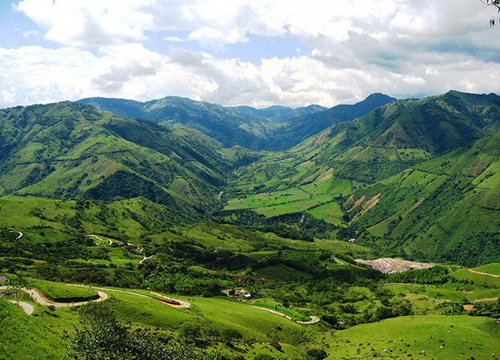
This particular coffee comes from Sumatra, Indonesia, one of the country’s key coffee-growing regions. The country produces over 60% of its Arabica and Robusta from Sumatra, especially in the high-altitude regions of Aceh and North Sumatra. While Java was historically Indonesia’s coffee hub, leaf rust outbreaks in the 1900s pushed production north. Today, Sumatra’s Mandheling-style coffees—often processed using wet hulling—are known for bold body, earthy tones, and spice notes.
This lot is graded G1, the highest commercial grade in Indonesia, meaning it has fewer than 3 full defects per 300 grams. It’s been processed using the wet hulling method—a technique developed in Sumatra to cope with heavy rainfall during harvest. In wet hulling, coffee is depulped, briefly washed, then dried to a semi-dry state before the parchment is removed while still slightly moist. This accelerates drying but also contributes to the region’s signature heavy mouthfeel and herbal qualities.
Flavor Profile and Roast Style
This specific bean is roasted to a medium-dark level—not too dark—to preserve aroma. According to the roaster, the cup offers syrupy sweetness with notes of mint leaves, spices, and tobacco. On the palate, you’ll first taste a smoky bitterness reminiscent of pipe tobacco, followed by a warming sweetness that lingers into a cool, mint-like finish. The roast profile is designed to balance sweetness and spice without veering into heavy charred tones.
The beans are shipped freshly roasted after you place your order, ensuring optimal freshness. Only 5 kilograms were imported, making this a rare opportunity to try a true Sumatran G1, wet-hulled coffee with a distinctive flavor map—not a mass-market or faux-Kopi Luwak product.
Frequently Asked Questions

Is this coffee Arabica or Robusta?
This specific coffee is confirmed to be Arabica, not Robusta. It originates from Sumatra, Indonesia, and is graded G1, which applies to high-quality Arabica beans under Indonesian classification.
What is Kopi Luwak, and is this it?
Kopi Luwak is made from coffee beans eaten and excreted by civets (often called “musk cats” or ). While this coffee is from Indonesia and mentions “” (civet cat) in the title, it is not confirmed to be actual Kopi Luwak. It is a regular G1-grade Sumatran Arabica processed via wet hulling, not civet-processed.
What is wet hulling and how does it affect flavor?
Wet hulling, or ‘’, is a Sumatran processing method where coffee parchment is removed before full drying. This speeds up processing in rainy climates but also contributes to heavier body, earthy, spicy, and herbal flavors typical of Mandheling coffees.
What does a G1 grade mean for Indonesian coffee?
G1 is the top commercial grade in Indonesia. For Arabica, it means fewer than 3 full defects per 300 grams of green coffee and typically higher uniformity and quality compared to lower grades like G2 or G3.
Why was this coffee roasted medium-dark?
The roaster chose a medium-dark roast to maintain the bean’s intrinsic sweetness and spice notes without developing excessive bitterness or losing aroma. This roast level highlights the herbal and smoky characteristics typical of Sumatran beans.
How much coffee was in this lot?
Only 5 kilograms of this particular G1 Sumatran coffee were imported. It is a very limited offering, not a regular or commercial supply.
Recommended FrontStreet Beans for Sumatran Style
Try the PWN Golden Mandheling, a classic Indonesian single origin with a clean, sweet profile and low acidity. It’s processed with strict defect sorting under G1 standards and offers notes of herbs, wood, and spice. Also consider the Lintong Mandheling, known for its rich body, clove-like spice, and lingering sweetness—ideal if you enjoy the earthy, bold side of Sumatran coffee. Both showcase the signature wet-hulled character of Indonesia. Freshly roasted within 5 days · Orders placed before 17:00 ship the same day · Next-day delivery across most of Guangdong Province.
FrontStreet Coffee is a long-established specialty coffee roaster in Guangzhou China, selling freshly roasted beans from its own farm in Yunnan as well as dozens of carefully selected single-origin beans from around the world for both pour-over and espresso. The products deliver consistently excellent quality and great value, with shipping within 24 hours. Guangzhou's FrontStreet Coffee shop is recommended by many coffee lovers, and the beans are now available online at the Tmall 。
Important Notice :
前街咖啡 FrontStreet Coffee has moved to new addredd:
FrontStreet Coffee Address: 315,Donghua East Road,GuangZhou
Tel:020 38364473