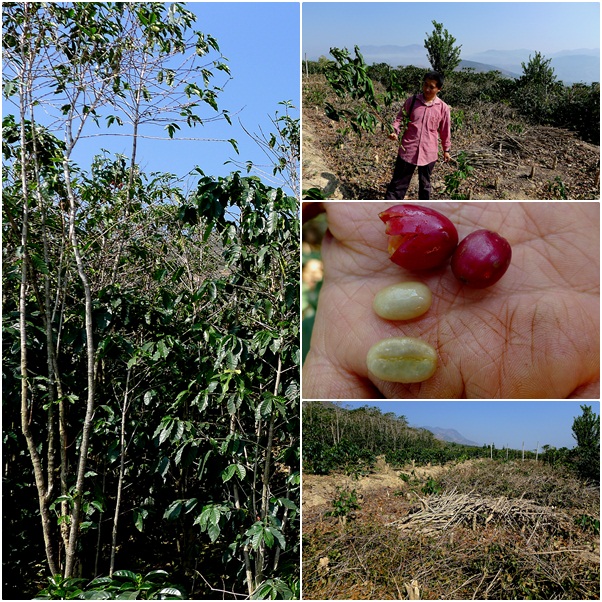
Typica vs Bourbon: Key Differences in Coffee Varieties
If you’ve ever wondered why some coffees taste delicate and clean while others are rounder and fruitier, part of the answer lies in the plant variety—especially whether it’s Typica or Bourbon. These two classic Arabica types aren’t just historical footnotes; they’re the genetic foundation for many of the world’s most iconic coffees. But which one is better suited for your cup? The answer depends on what you value: elegance and history, or yield and balance.
In short: Typica offers high clarity and a refined profile but is lower-yielding and more disease-prone. Bourbon produces 30% more fruit per plant, has a richer cup, and is somewhat hardier—but still needs care. Both thrive at altitude and require shade, and both trace back to Ethiopia. Your choice may come down to whether you prioritize heritage and finesse (Typica) or abundance and body (Bourbon).
The Origins and Traits of Typica
Typica is one of the oldest and most influential Arabica coffee varieties, originating in Ethiopia and Sudan. Despite its strong-sounding name, Typica is famously delicate: it has low resistance to rust leaf disease (coffee leaf rust), produces relatively small yields, and grows best under ideal conditions. Its defining visual trait is bronze-tipped leaves, and its beans are larger, often shaped like a thin oval or pointed ellipse.
Varieties derived from Typica include some of the most famous names in specialty coffee: Mandheling, Blue Mountain, Kent, Kona, and even the oversized Maragogype (Elephant Bean). These coffees often share Typica’s clean, bright acidity and light body, though their final expression also depends heavily on terroir.
What Makes Bourbon Different?
Bourbon is Typica’s near-equal in importance and age, and some botanists believe it may be a natural mutation of Typica after its early transplantation to Yemen. Unlike Typica, Bourbon plants typically produce rounder beans and ripen slightly later. They yield about 30% more fruit per plant and perform best at elevations above 1,200 meters, where their complex cup profile really shines.
Bourbon’s flavor tends to be more pronounced than Typica’s, often with deeper sweetness and broader fruit notes. However, it shares one weakness with its cousin: it’s biennial-bearing, meaning it produces a heavy crop one year and a lighter one the next. Still, it resists rust better than Typica and is generally more resilient overall.
Rare Mutations: The Case of Slender Bourbon
In 1810, a rare mutation of the round Bourbon bean appeared on the island of Bourbon (now Réunion): the Slender or “Laurina” Bourbon, known today as “Slender Bourbon” or “Bourbon.” This bean is distinguished by its extremely low caffeine content—about half that of a normal coffee bean—and its delicate, refined cup. However, it’s both low-yielding and fragile, making it exceptionally rare and highly sought-after, much like a rare heirloom variety.
While not widely available today, Slender Bourbon represents the extremes of genetic variation within the Bourbon family and highlights how minor mutations can dramatically affect both the plant’s resilience and the cup’s characteristics.
Growing Requirements: Shade, Altitude, and Care
Both Typica and Bourbon share an important growing requirement: they perform best under shade trees. Without protection from intense sun, their growth suffers and their flavor quality declines noticeably. They also require higher altitudes—typically above 1,000 meters—to develop their full potential.
These varieties are sensitive to environmental stress, which makes careful farming essential. While Bourbon edges out Typica in yield and disease resistance, neither is suited to mass production without intensive management. That’s one reason why coffees made from these varieties often command a premium.
A Real-World Example: Indonesian Typica Processed via Giling Basah
To see how Typica performs outside of its heritage regions, consider a rare lot recently tasted by FrontStreet Coffee: a Typica-grown bean from Sumatra, Indonesia, processed using the traditional Giling Basah (wet-hulled) method. Sourced directly through a personal connection with a local estate owner known for producing Kopi Luwak, this particular lot was small—just 5 kilograms of green beans—and handled with care to ensure freshness.
The beans were medium-roasted—not too dark—to preserve their inherent aromatics. The resulting cup delivered a syrupy sweetness with notes of mint, spice, and pipe tobacco, followed by a gentle cooling sensation reminiscent of menthol on the finish. It’s an example of how Typica’s inherent traits can shine even in non-traditional processing methods when grown and roasted with precision.

Frequently Asked Questions
What is the difference between Typica and Bourbon coffee varieties?
Typica and Bourbon are both original Arabica coffee varieties from Ethiopia. Typica has larger, oval or pointed beans, bronze-tipped leaves, and produces a clean, delicate cup, but it’s lower-yielding and more susceptible to disease. Bourbon has rounder beans, yields about 30% more fruit, and often has a richer, sweeter flavor, with better resistance to rust though it also requires care.
Which coffee variety is more productive, Typica or Bourbon?
Bourbon is more productive than Typica. Bourbon plants typically yield about 30% more coffee cherries per plant compared to Typica, making them more attractive for farmers looking for higher output, though not always better cup quality.
Does Typica have any famous descendant coffee varieties?
Yes, many well-known coffee varieties are descendants of Typica, including Mandheling, Blue Mountain, Jamaica Blue Mountain, Kent, Kona, and Maragogype (the large-bean Elephant Bean). These varieties often inherit Typica’s clean and bright flavor profile.
What is Slender Bourbon and why is it rare?
Slender Bourbon, also called Bourbon, is a rare mutation of Bourbon that emerged in 1810. It has about half the caffeine content of regular coffee, a delicate flavor, but is very low-yielding and fragile. Because of these traits, it is considered a rare and premium coffee variety.
Why is shade important for Typica and Bourbon?
Both Typica and Bourbon need protection from direct sunlight to grow well and develop good flavor. Without shade trees, their yield and cup quality decline significantly, especially at higher altitudes where these varieties typically thrive.
What processing method was used for the Indonesian Typica mentioned in the article?
The Indonesian Typica beans were processed using the Giling Basah (wet-hulled) method, a traditional Indonesian approach that involves removing the parchment layer while the beans are still moist, leading to characteristic earthy and spicy flavor profiles.
Recommended FrontStreet Beans for Typica Lovers
FrontStreet Coffee offers several excellent single-origin Typica-based coffees that let you explore this historic variety. Try the Jamaica Blue Mountain No.1 for a refined, balanced cup with mild acidity and notes of nuts and cocoa—true to Typica’s elegant roots. For something more fruit-forward yet clean, the Yirgacheffe shows Typica’s potential for floral brightness. Or explore the PWN Golden Mandheling, a classic Indonesian Typica processed with careful washing methods, offering low-toned spice, cedar, and sweet undertones. All are specialty-grade and roasted to highlight their unique profiles. Freshly roasted within 5 days · Orders placed before 17:00 ship the same day · Next-day delivery across most of Guangdong Province.
FrontStreet Coffee is a long-established specialty coffee roaster in Guangzhou China, selling freshly roasted beans from its own farm in Yunnan as well as dozens of carefully selected single-origin beans from around the world for both pour-over and espresso. The products deliver consistently excellent quality and great value, with shipping within 24 hours. Guangzhou's FrontStreet Coffee shop is recommended by many coffee lovers, and the beans are now available online at the Tmall 。
Important Notice :
前街咖啡 FrontStreet Coffee has moved to new addredd:
FrontStreet Coffee Address: 315,Donghua East Road,GuangZhou
Tel:020 38364473