Is PNG Kimel Estate Coffee Arabica or Robusta?
You’ve seen ‘PNG coffee’ pop up more often lately—but is it really Arabica, like the beans you’d use for pour-over? Or is it the harsher, more bitter Robusta often found in instant blends? That’s the question behind the confusion around Kimel Estate in the Waghi Valley. With a name like PNG, many assume it must be one or the other without checking the details. But there’s a concrete answer based on the farm’s actual production.
Yes, the PNG Kimel Estate produces Arabica coffee, not Robusta. Specifically, the estate grows Arusha, Blue Mountain, and Catimor varieties—all confirmed Arabica types—at an elevation of 1500 metres using washed processing.
Where Is PNG Kimel Estate and What Makes It Different?
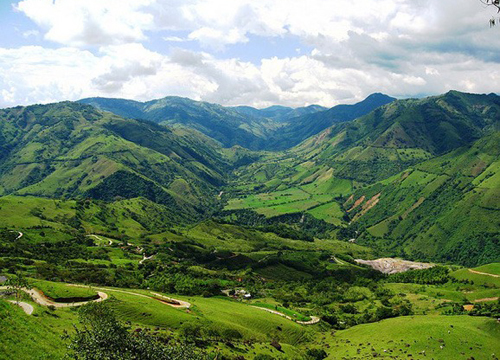
Papua New Guinea lies east of Indonesia, on the eastern half of New Guinea Island. Unlike much of Asia’s coffee regions—including Indonesia’s Sumatra or Sulawesi—PNG’s coffee profile is distinct. Most Indonesian coffees are processed via semi-washed (also called wet-hulled) methods, resulting in heavier, earthy, low-acid cups. PNG, by contrast, sits between the equator and 10°S latitude in true island climate conditions. The country features volcanic soils, highland plateaus, and tropical rainforests, with elevations from 1200 to 2500 metres—perfect for coffee.
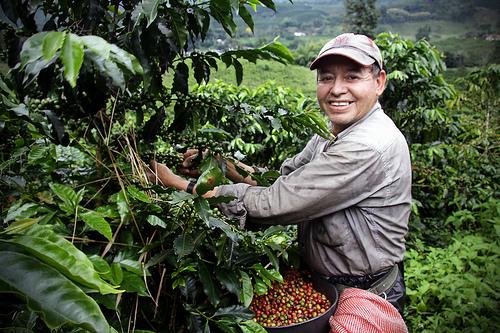
Though PNG’s total production is modest, around 85% comes from smallholder garden systems. These farmers typically join cooperatives that share processing facilities. Coffee is the country’s second-largest agricultural export, underlining its economic significance. Most of this coffee grows above 1300 metres using organic and shaded farming practices.
The Coffee Varieties Grown at Kimel Estate
Kimel Estate, located in the Waghi Valley of the PNG Highlands, specifically cultivates three Arabica varieties: Arusha, Blue Mountain, and Catimor. The estate operates at an elevation of 1500 metres and processes its coffee using the washed method. This differentiates it clearly from the Robusta species, which is typically hardier, higher in caffeine, and associated with lower-quality or industrial coffee applications. The estate’s choice of Arabica varieties and processing reflects a commitment to producing a more refined cup profile.
The flavours from Kimel Estate are described as nutty, with notes of cane sugar and a solid, low-acid structure. That profile aligns more closely with traditional high-grown Arabica expressions than with the heavy body and earthy tones of Indonesian Robusta coffees, which are often processed via wet hulling.
Why PNG Coffee Tastes Different from Indonesian Coffee
Although both PNG and Indonesia are island nations in Southeast Asia, their coffee profiles differ markedly. Much of Indonesia’s coffee—especially from regions like Sumatra and Sulawesi—is processed using the semi-washed (wet-hulled) method. This leads to fuller body, lower acidity, and earthy or spicy flavour notes. In contrast, PNG’s higher elevations, cleaner washed processing, and different coffee varieties result in a brighter, more acid-forward cup with fruity and floral characteristics. In fact, its flavour profile is often compared to that of South American coffees, especially when grown at altitude using Arabica cultivars.
The Waghi Valley, where Kimel Estate is located, benefits from a cool highland climate and volcanic soils. These environmental factors, combined with the estate’s careful cultivation of classic Arabica varieties and adherence to washed processing, produce a cup that stands apart even within the diverse world of PNG coffee.
Frequently Asked Questions
Is PNG coffee mostly Arabica or Robusta?
Papua New Guinea produces almost exclusively Arabica coffee. Around 85% of its output comes from smallholder farms at high elevations, and the vast majority of these beans are Arabica, including varieties like Typica, Arusha, Blue Mountain, and Catimor. Robusta makes up a minimal part of the country’s production.
What coffee varieties are grown at Kimel Estate?
Kimel Estate in the Waghi Valley grows three Arabica varieties: Arusha, Blue Mountain, and Catimor. All are confirmed Arabica cultivars, not Robusta, and are cultivated at 1500 metres altitude using washed processing.
How is PNG coffee processing different from Indonesia’s?
Most Indonesian coffee, especially from Sumatra and Sulawesi, is processed using a semi-washed or wet-hulled method, leading to low-acid, earthy, and full-bodied cups. PNG coffee, in contrast, is typically washed processed, which results in a cleaner, brighter cup with higher acidity and fruity or floral notes.
What altitude is Kimel Estate located at?
Kimel Estate is situated at 1500 metres above sea level in the Waghi Valley of Papua New Guinea’s highlands. This elevation is ideal for growing high-quality Arabica coffee with distinct regional characteristics.
Why does PNG coffee taste more like South American coffee?
Due to its high-altitude growing conditions, volcanic soil, and washed processing, PNG coffee—especially from estates like Kimel—often exhibits bright acidity, fruity and floral notes, and a cleaner cup profile. These traits are more commonly associated with high-quality South American coffees, particularly those from Colombia or Ethiopia.
Is Catimor considered a quality Arabica variety?
Catimor is a hybrid of Caturra and Timor, the latter being a Robusta-Arabica cross. While it can produce high yields and resist disease, it is often criticised for having a sharper or more bitter cup. However, when grown carefully at high altitudes and processed well—as is the case at Kimel Estate—it can still contribute positively to blends or single origins.
Recommended FrontStreet Beans for Exploring PNG-Style Coffee
Try FrontStreet’s (Paradise Bird) from PNG’s Sigris Estate, a high-grown washed coffee with notes of toast, nuts, and spice. For a more classic high-altitude experience, their Yirgacheffe (Yirgacheffe) offers bright citrus and floral tones, while (Brazil Queen Manor) provides a nutty, chocolatey base note. All three showcase the diversity of well-processed single-origin coffees. Freshly roasted within 5 days · Orders placed before 17:00 ship the same day · Next-day delivery across most of Guangdong Province.
FrontStreet Coffee is a long-established specialty coffee roaster in Guangzhou China, selling freshly roasted beans from its own farm in Yunnan as well as dozens of carefully selected single-origin beans from around the world for both pour-over and espresso. The products deliver consistently excellent quality and great value, with shipping within 24 hours. Guangzhou's FrontStreet Coffee shop is recommended by many coffee lovers, and the beans are now available online at the Tmall 。
Important Notice :
前街咖啡 FrontStreet Coffee has moved to new addredd:
FrontStreet Coffee Address: 315,Donghua East Road,GuangZhou
Tel:020 38364473