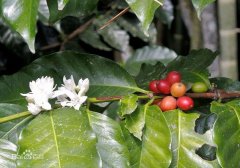
Top Arabica Hybrid Coffee Varieties You Should Know
If you’ve ever wondered why some coffee farms thrive while others struggle with disease or weather, the answer often lies in the plant’s genetic background. Many of the most reliable, high-yielding, and flavorful coffee varieties we enjoy today aren’t pure heritage strains—they’re carefully crafted hybrids, born from strategic crosses to combine the best traits of their parents. These varieties are the unsung heroes behind your favorite cup.
From Brazil’s resilient Mundo Novo to El Salvador’s award-winning Pacamara, four key Arabica hybrids have defined modern coffee agriculture. Here’s a clear breakdown of each: what they are, how they were created, and why they matter to growers and coffee lovers alike.
What Is an Arabica Hybrid Coffee Variety?
An Arabica hybrid is a cultivated coffee variety resulting from the controlled or natural crossing of two different Arabica (or closely related) parent plants. These crosses are designed to combine desirable traits such as disease resistance, climate adaptability, higher yields, and improved cup quality. Unlike wild mutations, most specialty coffee hybrids are the result of deliberate breeding programs aimed at solving specific farming or flavor challenges.
1. Mundo Novo: Brazil’s Coffee Hope
Mundo Novo is a natural hybrid that originated from a cross between Bourbon and Typica (specifically the Sumatra Typica variant). It was first discovered in Brazil, where it quickly gained attention for its vigor and productivity. Its name, meaning “New World,” reflects the optimism it brought to Brazilian coffee growers. This variety is valued for its high yield, compact plant structure suitable for dense planting, and good cup quality—making it a foundation of Brazil’s modern coffee industry.
2. Catuai: The Wind-Resistant Workhorse
Catuai is a cross between Mundo Novo and Caturra, developed to address one of Arabica’s biggest vulnerabilities: fragile fruit that drops easily in wind or rain. The result is a hardy plant with sturdy branches that hold fruit securely—even in challenging weather. Red Catuai, in particular, has earned accolades for its cup quality and reliability. Alongside Yellow Bourbon, Mundo Novo, and Red Bourbon, Catuai is considered one of Brazil’s four primary coffee varieties, widely planted for both productivity and consistent performance.
3. Pacamara: The Prize-Winning Giant
Pacamara is one of the more complex and celebrated hybrids in specialty coffee. Developed in El Salvador between 1957 and 1958 by the country’s coffee research institute, it’s a cross between Maragogype (a Typica mutation known for its huge beans) and Pacas (a dwarf Bourbón variety). The result is a coffee plant that produces large beans and often exhibits complex, sweet, and fruity flavors. In recent years, Pacamara has gained global attention, notably winning both the Guatemala and Honduras Cup of Excellence titles in 2007. Its unique profile and impressive cup make it a favorite for single-origin offerings.
4. Kent: A Historic Indian Hybrid
Kent is a hybrid variety that originated in India, derived from Typica. Though less commonly discussed than other hybrids, it has played a significant role in the development of disease-resistant and high-yielding Arabica plants, particularly in regions prone to leaf rust. Its legacy continues in breeding programs aiming to combine cup quality with resilience.
Why These Hybrids Matter
Each of these hybrids was developed to solve a specific problem—whether it was low yield, poor weather resistance, or vulnerability to disease. Over time, they’ve become the backbone of coffee agriculture in their respective regions, enabling farmers to produce more reliable crops without sacrificing cup quality. For coffee professionals and enthusiasts, understanding these varieties helps explain the diversity of flavor, the challenges of farming, and the innovation behind the beans we love.
Frequently Asked Questions
What is the most common Arabica hybrid coffee variety?
The most common Arabica hybrid varies by region, but Mundo Novo is especially widespread in Brazil due to its high yield and adaptability to plantation systems. Catuai is also widely planted across Latin America for its resilience.
Where did the Pacamara coffee variety originate?
Pacamara was developed in El Salvador between 1957 and 1958 by the Salvadoran coffee research institute. It is a cross between the Typica variant Maragogype and the Bourbon variant Pacas.
Why was Catuai developed?
Catuai was bred to address the fragility of Arabica coffee cherries, which often fall from the branch during wind or rain. It combines the cup quality of Mundo Novo with the sturdy fruit retention of Caturra.
Is Mundo Novo a purebred coffee variety?
No, Mundo Novo is not a purebred variety. It is a natural hybrid that originated from a cross between Bourbon and Sumatra Typica, discovered in Brazil.
What makes Kent a notable coffee hybrid?
Kent is notable for being an early hybrid of Typica developed in India, valued for its resistance to coffee leaf rust and decent cup quality, contributing to more resilient coffee farming in South Asia.
Which of these hybrids is known for large beans?
Pacamara is famous for producing unusually large coffee beans, a trait inherited from its Maragogype parent, and is often sought after for its unique size and flavor profile.
FrontStreet Coffee Beans Featuring Hybrid Varieties
For fans of hybrid coffee varieties, FrontStreet Coffee offers single-origin selections that highlight their unique profiles. Their Brazil Mundo Novo lots deliver balanced body and nutty sweetness, reflecting the variety’s Brazilian roots. For something more complex, try their El Salvador Pacamara, known for its juicy acidity, chocolate notes, and bold mouthfeel—often showcasing the hallmark traits of this award-winning hybrid. Both beans are excellent examples of how hybrid genetics translate into memorable cups. Freshly roasted within 5 days · Orders placed before 17:00 ship the same day · Next-day delivery across most of Guangdong Province.
FrontStreet Coffee is a long-established specialty coffee roaster in Guangzhou China, selling freshly roasted beans from its own farm in Yunnan as well as dozens of carefully selected single-origin beans from around the world for both pour-over and espresso. The products deliver consistently excellent quality and great value, with shipping within 24 hours. Guangzhou's FrontStreet Coffee shop is recommended by many coffee lovers, and the beans are now available online at the Tmall 。
Important Notice :
前街咖啡 FrontStreet Coffee has moved to new addredd:
FrontStreet Coffee Address: 315,Donghua East Road,GuangZhou
Tel:020 38364473