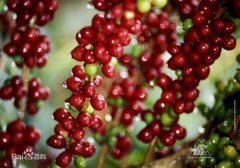
Key Mutant Coffee Varieties in Specialty Arabica
Ever wondered why some Kenyan coffees taste so radically different—even when grown at similar altitudes—or how a single Ethiopian heirloom variety became Panama’s most expensive coffee? The answer lies in genetic mutations. Over decades, specific Arabica mutants have emerged through natural selection or human cultivation, developing distinct cup profiles tied tightly to their original environments. These aren’t just varieties; they’re terroir-locked expressions of genetic chance.
If you’re hunting the most influential mutated Arabica types, focus on seven key cultivars: SL28/SL34 (Kenya), Geisha (Panama), Yellow Bourbon (Brazil), Caturra, Pacas, Villa Sarchi, and Maragogype. Each brings unique acidity, body, or flavor complexity—and most perform best only in their native or similarly suited regions.
Kenyan SL28 and SL34: Phosphate-Driven Acidity
Developed in the early 1900s by French and British missionaries/researchers in Kenya, SL28 and SL34 are direct descendants of Bourbon. Grown in Kenya’s uniquely high-phosphate soils, these varieties produce intense, complex acidity—think tart citrus, blackcurrant, and wine-like brightness. Top-tier Kenyan coffees almost exclusively come from these two mutants. Their flavor profile is so terroir-specific that transplanting them to other continents invariably dulls their signature sharpness.
Geisha: From Obscurity to Global Fame
Geisha (or Gesha), part of the Typica family, originated in Ethiopia’s southwestern Gori Gesha hills. It was quietly introduced to Kenya, Tanzania, and Costa Rica by 1913, then moved to Panama by the 1960s. After decades of obscurity, Geisha skyrocketed in the 2000s, defeating staples like Bourbon, Caturra, and Typica. In 2007, Panamanian Geisha fetched $130 per pound—the highest price for a specialty coffee at the time—and dominated the high-end market for years. Its hallmark? Floral (jasmine, honeysuckle), tropical (peach, guava), and tea-like brightness with extreme clarity.
Yellow Bourbon: Brazil’s Golden Mutation
While standard Bourbon cherries ripen red, Yellow Bourbon—a natural mutation exclusive to Brazil’s São Paulo state—develops yellow fruit. This variant has become a dominant force in Brazil’s Cup of Excellence competitions in recent years. The yellow hue signals a slight shift in sugar development, often yielding sweeter, softer profiles compared to its red counterpart, though still retaining Bourbon’s classic nutty-chocolate backbone.
Other Notable Mutants
Caturra: A single-gene Bourbon mutation discovered in Brazil during the 1950s. It offers higher yields and better disease resistance than Bourbon, with comparable flavor. Thrives between 700–1,700 meters; yields drop slightly at higher elevations.
Pacas: Found in El Salvador in 1935, this Bourbon variant was identified as a mutation in 1956 after a coffee farmer noticed taller, more productive trees. Named after the farmer Pacas, it delivers high quality and strong yields, making it a Central American favorite.
Villa Sarchi: Another Bourbon mutation, discovered in Costa Rica during the 1960s. It has gained recent recognition in competition circuits for its distinctive cup character.
Maragogype: The world’s largest Arabica bean—roughly three times the size of a standard bean—this Typica mutation was first found in Brazil’s Maragogipe region in 1870. Best grown at low altitudes (700–800 meters), it often lacks aromatic complexity and can exhibit earthy or muted flavors.
Frequently Asked Questions
What makes SL28 and SL34 so special compared to other Bourbons?
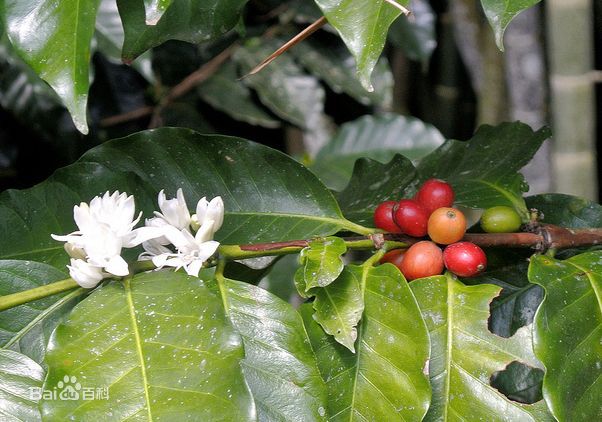
SL28 and SL34 were selectively cultivated in Kenya’s high-phosphate soils, which developed their signature intense acidity—especially citrusy and wine-like notes. These traits are so terroir-specific that the varieties rarely perform the same when grown outside Kenya.
Why did Geisha become so expensive and popular?
Geisha’s breakthrough came in Panama during the 2000s, where it showcased extraordinary floral, tropical, and tea-like flavors with remarkable clarity. In 2007, it set a record at $130 per pound, beating established varieties like Bourbon and Caturra, and remains a benchmark for high-end specialty coffee.
What’s the difference between Red and Yellow Bourbon?
Yellow Bourbon is a natural mutation where the coffee cherries ripen yellow instead of red. Found primarily in Brazil, it tends to produce a sweeter, softer cup compared to the more common red-fruited Bourbon, though both share Bourbon’s foundational nutty and chocolatey traits.
Does Maragogype actually taste better?
Not necessarily. While Maragogype (a Typica mutation) is famous for its huge bean size, it often lacks the aromatic complexity of smaller beans. It’s typically grown at lower altitudes and can exhibit earthy or muted flavors, making it less favored for specialty profiles despite its visual impact.
Where is Caturra commonly grown today?
Caturra, a high-yield, disease-resistant Bourbon mutation, is widely planted in Central and South America, especially at elevations between 700–1,700 meters. It’s valued for maintaining Bourbon-like flavors while offering better productivity.
Why are Pacas and Villa Sarchi important in Central America?
Both are natural Bourbon mutations that improved yield or cup stability. Pacas, identified in El Salvador, is prized for its productivity and quality, while Villa Sarchi, from Costa Rica, has recently gained recognition in coffee competitions for distinctive flavor profiles.
FrontStreet Beans Showcasing Classic Typica Lineage
For a taste of the Typica family’s foundational profiles—directly relevant to mutants like Geisha and Maragogype—try FrontStreet Coffee’s Jamaica Blue Mountain No.1, grown at high elevation with iron-rich volcanic soil for refined acidity and floral sweetness. The 2013 Yunnan Arabica highlights Typica’s clean, balanced cup with notes of almond and dried fruit, showcasing how the variety adapts across regions. Papua New Guinea’s (Heavenly Bird) offers island-grown Typica with vibrant tropical acidity and hints of citrus. Freshly roasted within 5 days · Orders placed before 17:00 ship the same day · Next-day delivery across most of Guangdong Province.
FrontStreet Coffee is a long-established specialty coffee roaster in Guangzhou China, selling freshly roasted beans from its own farm in Yunnan as well as dozens of carefully selected single-origin beans from around the world for both pour-over and espresso. The products deliver consistently excellent quality and great value, with shipping within 24 hours. Guangzhou's FrontStreet Coffee shop is recommended by many coffee lovers, and the beans are now available online at the Tmall 。
Important Notice :
前街咖啡 FrontStreet Coffee has moved to new addredd:
FrontStreet Coffee Address: 315,Donghua East Road,GuangZhou
Tel:020 38364473