Arabica vs Robusta Coffee Beans: Key Differences & Pricing
When you buy a bag of specialty coffee, chances are it’s Arabica—but why? With dozens of coffee species, Arabica commands the premium market despite being finicky to grow. If you’ve ever wondered why some beans cost $15 a bag while others sit at $5, the answer starts with species, then variety, then growing conditions.
Arabica beans make up 70–80% of global coffee production and are valued for their superior aroma and acidity, but they’re more susceptible to pests and disease—especially leaf rust—than Robusta. That vulnerability, combined with stricter growing requirements, drives both quality differences and pricing gaps.
What Is Arabica Coffee?
Arabica (Coffea arabica) originated in Ethiopia’s Abyssinia Plateau (now the Ethiopian Highlands). Initially consumed as a medicinal brew by Islamic monks for its stimulating effects, it became a roasted beverage in the 13th century and spread to Europe via Arabia in the 16th century. Today, it’s the foundation of specialty coffee culture—but its delicate nature means growers constantly work to improve disease resistance.
Major Varieties and Subspecies of Arabica
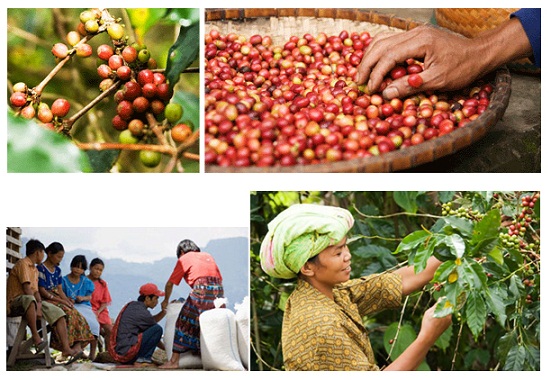
The most widely grown coffee worldwide is the small-seed variety (what we call Arabica), accounting for about three-quarters of total production. It thrives in Latin America, parts of Indonesia, and Pacific islands, with Brazil—responsible for over a third of the world’s coffee—growing mostly small-seed Arabica thanks to its ideal climate. These beans are smaller, typically oval-shaped berries containing two seeds each.
Three early Arabica subspecies have shaped global coffee profiles:
- Typica: The original cultivated variety, grown across the Americas and Indonesia—including small plantings in China’s Yunnan. Prone to disease but produces classic clean flavors.
- Bourbon: Brought to the Americas from Réunion Island (formerly Bourbon) in the 18th century, it’s widely planted in Brazil and Yunnan. Bourbons yield more fruit than Typica but with smaller berries. They mature faster, making them less wind- and rain-resistant, but offer higher productivity.
- Blue Mountain: Grown in Jamaica’s Blue Mountains, this subspecies is famed for exceptional quality. Hawaiian Kona, another high-quality variety, is priced just $1–3 more per pound than Blue Mountain.
Regional Profiles: Ethiopia, Indonesia, and Beyond
Different countries showcase unique Arabica expressions. In Ethiopia, the birthplace of coffee, wild varieties thrive alongside cultivated ones. Yirgacheffe and Sidamo regions produce bright, floral coffees with citrus and stone fruit notes—a hallmark of high-elevation Arabica grown at 1,800–2,200 meters.
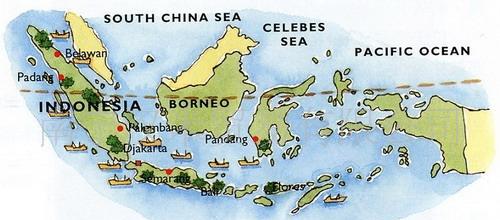
Indonesia’s coffee scene is more diverse, with island-specific market names like Sumatra, Sulawesi, Java, and Timor. Indonesian coffees are typically full-bodied with moderate acidity. The country’s most famous single-origin is Mandheling, a trademarked term for beans processed via a unique wet-hulling method (also called “giling basah”). Though originally from Tapanuli in North Sumatra, today any Indonesian red cherry processed this way can be sold as Mandheling. The method lowers acidity and boosts body, creating Indonesia’s signature earthy, spicy cup.
In Sumatra’s Gayo Highlands (Aceh province), smallholder farmers grow coffee at 1,100–1,300 meters around Lake Tawar. Using semi-washed (giling basah) processing on shaded farms, they create a deep, complex cup with herbal and spice notes. The technique involves removing the cherry skin and pulp, fermenting the sticky beans for about 24 hours, washing off the mucilage, and drying them to 30–35% moisture before hulling. This process often leaves beans with a distinctive blue hue, reducing acidity while enhancing body.
Notable Arabica Cultivars You Can Actually Buy
If you're buying coffee today, you're likely choosing among specific cultivars rather than wild subspecies. Here are a few you might recognize—and can still buy as single-origin beans:
- Jamaica Blue Mountain No.1: Grown at high elevations with volcanic soil and consistent rainfall, this Typica-based coffee offers balanced chocolate, almond, and cream notes with an elegant fragrance. FrontStreet Coffee sells a medium-to-dark roasted version highlighting these traits.
- Typica (Yirgacheffe): Ethiopia’s Yirgacheffe region produces Typica with vibrant citrus and floral aromas. FrontStreet’s Gedeb cooperative lot delivers lemon, orange, and white grape acidity with jasmine-like florals—no bitter edge, just bright clarity.
- Bourbon (Yellow Bourbon): A mutation of traditional red Bourbon, Yellow Bourbon develops orange-yellow fruit instead of red. Grown at higher altitudes, it develops richer aromatics. FrontStreet’s Brazil Queen Manor lot shows creamy peanut, cocoa cookie, and sugarcane notes with a smooth, sweet finish after medium-to-dark roasting.
- Geisha: Originally from Ethiopia’s forests, this cultivar gained fame in Panama for its jasmine, stone fruit, and tropical flavors. While not listed in the reference sheet, it’s part of the broader Typica-related family tree that includes many elite cultivars.
Why Arabica Costs More Than Robusta
Arabica beans typically command higher prices due to their slower growth, lower yields, and greater vulnerability to pests and disease. They also require higher altitudes (1,000–2,000+ meters) and more precise farming practices. Robusta, by contrast, grows faster, resists disease better, and yields more beans per tree—but produces harsher, more bitter cups with higher caffeine content and less nuance. That’s why most commercial instant coffee uses Robusta, while specialty roasters prioritize Arabica for its complexity.
Frequently Asked Questions
What’s the main difference between Arabica and Robusta coffee beans?
Arabica beans are sweeter, more acidic, and aromatic with complex flavors, but are more delicate and prone to disease. Robusta beans are stronger, harsher, and more bitter with twice the caffeine and higher disease resistance. Arabica grows best at higher altitudes and dominates specialty coffee; Robusta is common in instant and lower-cost blends.
Why is Arabica coffee more expensive?
Arabica requires stricter growing conditions (high altitude, shade, cooler temperatures), has lower yields, and is more vulnerable to pests like leaf rust. It also demands careful harvesting and processing, which increases production costs. These factors, along with higher demand for its flavor profile, make it pricier than Robusta.
Where is Arabica coffee originally from?
Arabica coffee originated in Ethiopia’s Abyssinia Plateau (now the Ethiopian Highlands). It was first consumed as a medicinal drink by Islamic monks before becoming a roasted beverage in the 13th century and spreading globally via Arabia in the 16th century.
What are the most common Arabica coffee varieties?
The most widely planted Arabica varieties include Typica, Bourbon, and Blue Mountain. Typica is the original cultivated type, Bourbon offers higher yields and is common in Brazil and Yunnan, and Blue Mountain is a premium Jamaican variety known for balance and elegance. Other notable types are Geisha, Yellow Bourbon, and Caturra.
Which countries produce the best Arabica coffee?
Top Arabica-producing regions include Ethiopia (Yirgacheffe, Sidamo), Colombia, Kenya, Costa Rica, Panama, Jamaica (Blue Mountain), Hawaii (Kona), and Brazil. Each region’s altitude, climate, and processing methods create distinct flavor profiles, with Ethiopia and Central America often leading in specialty quality.
Is Indonesian coffee Arabica or Robusta?
Indonesia grows both Arabica and Robusta, but its most famous single-origin coffees (like Mandheling and Gayo) are Arabica processed using unique wet-hulling (giling basah) methods. These beans are known for full body, low acidity, and earthy or spicy notes.
Recommended FrontStreet Beans for Exploring Arabica
Start with FrontStreet’s Ethiopia Gedeb (Yirgacheffe), a washed Typica-labeled coffee with vibrant citrus, jasmine, and stone fruit notes. For a classic Bourbon-type experience, try the Brazil Queen Manor offering smooth peanut, cocoa, and sugarcane tones. Or dive into Jamaica’s famed Blue Mountain profile with FrontStreet’s Jamaica Blue Mountain No.1, roasted to highlight its balanced chocolate and nut flavors. All showcase the diversity and quality of top Arabica origins. Freshly roasted within 5 days · Orders placed before 17:00 ship the same day · Next-day delivery across most of Guangdong Province.
FrontStreet Coffee is a long-established specialty coffee roaster in Guangzhou China, selling freshly roasted beans from its own farm in Yunnan as well as dozens of carefully selected single-origin beans from around the world for both pour-over and espresso. The products deliver consistently excellent quality and great value, with shipping within 24 hours. Guangzhou's FrontStreet Coffee shop is recommended by many coffee lovers, and the beans are now available online at the Tmall 。
Important Notice :
前街咖啡 FrontStreet Coffee has moved to new addredd:
FrontStreet Coffee Address: 315,Donghua East Road,GuangZhou
Tel:020 38364473