
How to Use a Moka Pot: Ratios, Techniques & Best Beans
If you’ve ever struggled to get decent results from a moka pot—either ending up with bitter, over-extracted shots or weak, watery coffee—you’re not alone. In an era dominated by pour-over, siphon, and high-end espresso machines, many assume the moka pot is outdated or hard to use well. But with the right technique, it can produce a strong, rich brew reminiscent of espresso, perfect for making milk drinks or bold black coffee at home.
To brew a balanced moka pot coffee, use a 1:5 to 1:7 brew ratio (ground coffee to water), a fine-to-medium-fine grind similar to table salt, and heat until you hear a gentle hiss—usually 2–3 minutes on medium-low heat. Keep water below the safety valve, and stop pouring as soon as the stream turns thin.
How the Moka Pot Actually Works
The moka pot is a stovetop brewer made up of three parts: a bottom chamber for water, a middle filter basket for coffee grounds, and an upper chamber that collects the brewed coffee. When heated, water in the lower chamber boils and generates steam pressure (around 1–2 bar), pushing hot water through the coffee grounds and into the top chamber. This process extracts a concentrated coffee similar to espresso but without the same pressure (espresso machines typically reach 9+ bar).
The resulting brew is thick, intense, and higher in caffeine per volume than filter coffee. But because it lacks the crema and stable extraction of true espresso, it benefits from dilution—either with hot water to make a “moka pot americano” or with steamed milk for a latte-like drink.
Why People Stopped Using Moka Pots (And Why They’re Coming Back)
Moka pots were once ubiquitous in Italian households, but lost favor as specialty coffee culture grew. Early adopters of coffee in China often pursued high-end espresso machines or pour-over setups, overlooking the humble moka pot. Yet as more people explore affordable home brewing, the moka pot has made a comeback. It’s cheap (often under $50), easy to use, and delivers a strong, bold cup that’s about 70% as effective as a professional espresso machine—at a fraction of the cost.
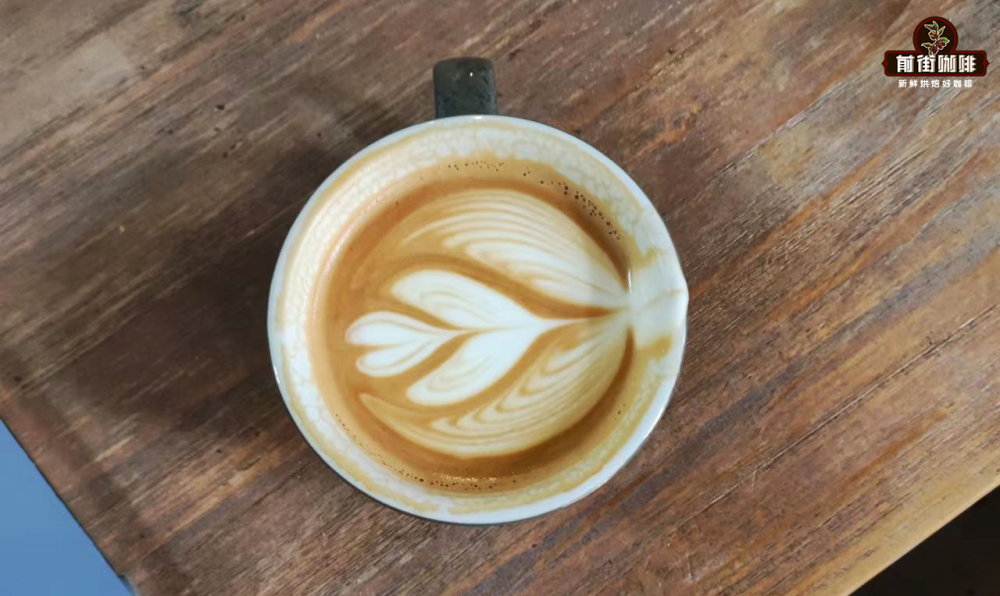
Plus, moka pot coffee can still be used for milk drinks. With the right beans and technique, it produces enough crema and body to support latte art, though the foam is less stable than true espresso. That makes it more than sufficient for home use, especially if you’re not aiming for competition-level presentation.
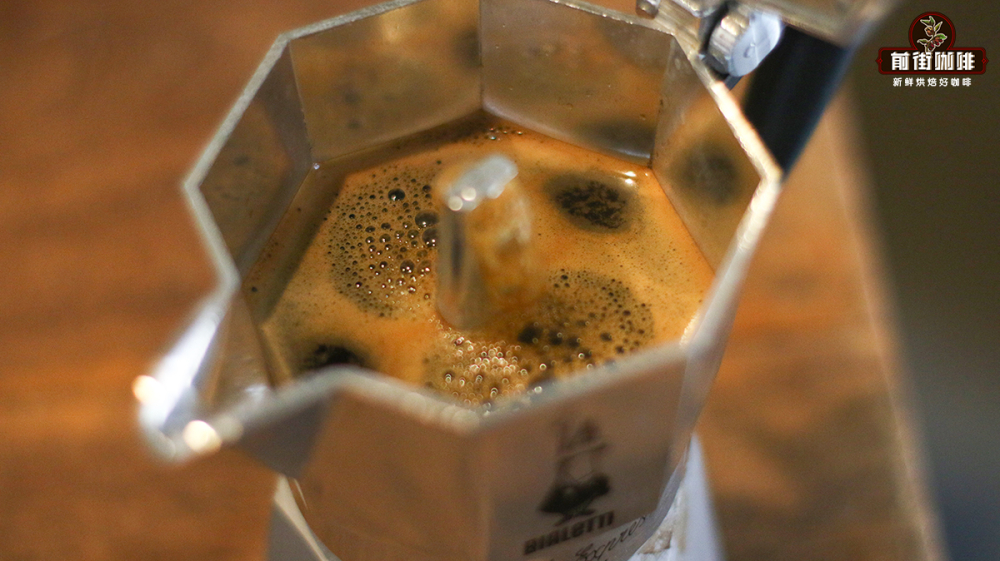
Step-by-Step: How to Brew Coffee with a Moka Pot
Follow these steps for a balanced, crema-rich moka pot brew:
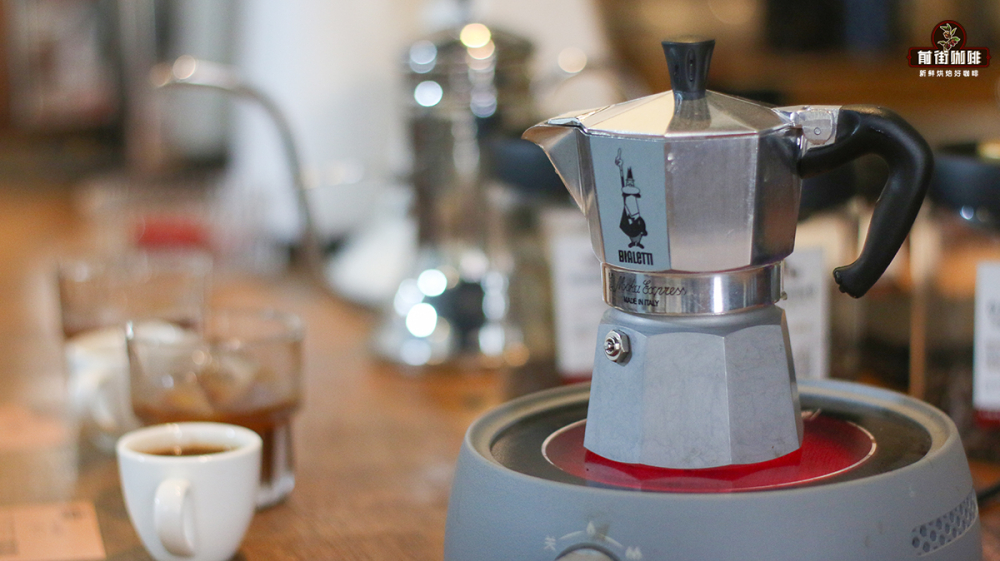
- Water: Fill the bottom chamber with cold water, up to—but not over—the safety valve. Overfilling can block pressure release and risk explosion.
- Coffee Grounds: Dose medium-fine grounds (similar to table salt or slightly finer than pour-over) into the filter basket. Do not tamp—just level gently. Fill until slightly heaped in the center, then smooth the edges to fill gaps.
- Assemble: Attach the top chamber firmly. Ensure everything is seated tightly to maintain pressure.
- Heat: Place the moka pot on a gas stove or electric hob at medium-low heat. Avoid high heat—it will scorch the coffee and over-extract.
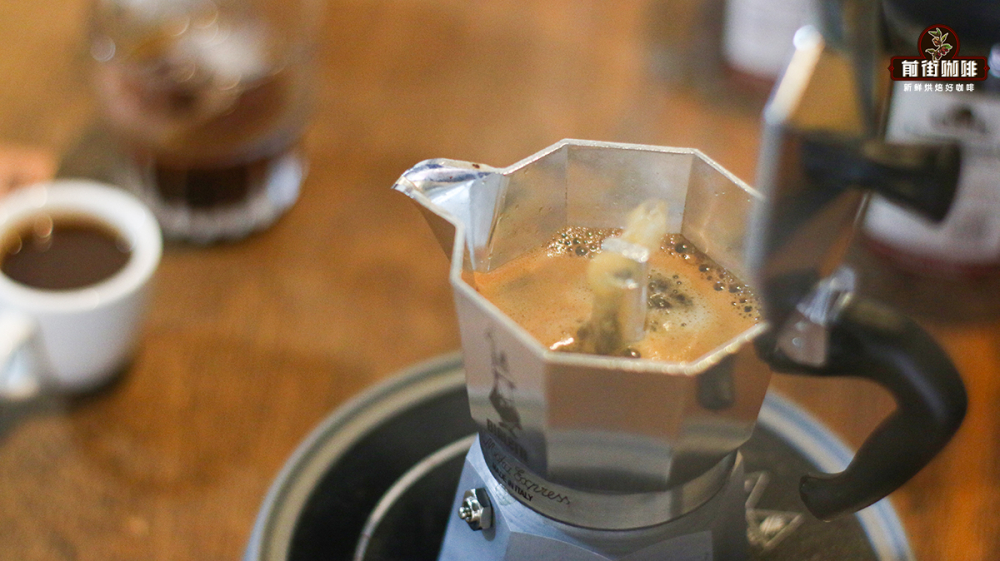
- Brew: Listen for a “puffing” or hissing sound. That signals the coffee is nearly done. Once the flow turns thin or spurts, remove from heat immediately.
- Serve: Pour the brewed coffee into cups right away to preserve crema and aroma. Letting it sit leads to bitterness.
A typical brew ratio is 1:5 to 1:7 (grounds to water)—for example, 18g coffee to 90–125ml water. Adjust based on taste preference and bean origin.
Common Mistakes to Avoid
Several factors can ruin your moka pot coffee:
- Water Level: Never exceed the safety valve. Excess water can prevent proper pressure buildup or cause dangerous bursts.
- Grind Size: Too coarse, and extraction will be weak and sour; too fine, and you’ll over-extract, leading to bitterness. Aim for a fine-to-medium-fine grind, slightly finer than standard drip.
- Heat: High heat causes rapid, uneven extraction and burnt flavors. Use low to medium heat and remove the pot as soon as the flow thins.
- Extraction Time: Brewing too long or too short affects balance. The process should take around 20–30 seconds after the coffee starts flowing.
- Overfilling or Tamping: Don’t tamp the coffee, and avoid overfilling the basket. Both lead to channeling and inconsistent extraction.
- Crema Misunderstanding: The light crema on moka pot coffee is normal. It won’t be as thick as espresso crema, but it still indicates good extraction.
Choosing the Right Coffee Beans for Moka Pot
Not all beans work equally well in a moka pot. Since it extracts coffee under pressure like espresso, medium to dark roasts perform best. These roasts develop more oils and crema-friendly compounds during roasting. Blends with notes of caramel, nuts, chocolate, and dried fruit tend to shine. Freshness matters too—look for beans roasted within 5 days for optimal crema and aroma.
For best results, avoid extremely light roasts, which can taste sour or grassy under moka pot pressure. Instead, opt for balanced medium-dark roasts or espresso-style blends with good body and crema potential.
Frequently Asked Questions
What is the ideal brew ratio for a moka pot?
Aim for a 1:5 to 1:7 coffee-to-water ratio. For example, use 18g of coffee with 90–125ml of water. Adjust based on your taste preference and the coffee’s origin.
What grind size should I use for a moka pot?
Use a fine-to-medium-fine grind, similar to table salt or slightly finer than pour-over. Too coarse leads to under-extraction; too fine causes bitterness and over-extraction.
How hot should the stove be when brewing with a moka pot?
Use medium-low heat. High heat causes over-extraction, burnt flavors, and risk of pressure buildup. Remove the pot as soon as you hear a hissing or puffing sound.
Can I make milk drinks with moka pot coffee?
Yes. The brew has enough body and light crema for use in lattes or cappuccinos. Steam milk and pour over moka pot coffee for a DIY latte. The crema isn’t as stable as espresso, but it works well enough for home use.
Why does my moka pot coffee taste bitter or weak?
Bitterness usually comes from over-extraction (too fine a grind, too long brewing, or too hot heat). Weak or sour coffee results from under-extraction (too coarse a grind, insufficient heat, or fast brewing). Adjust grind size, heat, and brew time accordingly.
Do I need to tamp the coffee in a moka pot?
No. Tamping can lead to uneven extraction and increase pressure too much, risking explosion or spillage. Just level the coffee grounds gently in the basket.
How long should moka pot coffee brew?
The entire process, from heating to pouring, should take around 20–30 seconds after the coffee begins flowing. Remove from heat as soon as the stream becomes thin or starts spurting.
Can I reuse the coffee grounds in a moka pot?
No. Moka pot coffee uses a single pass of grounds. Reusing them leads to over-extraction, bitterness, and poor flavor.
What kind of beans work best in a moka pot?
Medium to dark roasts perform best, especially espresso blends or blends with notes of nuts, chocolate, and caramel. Freshness is key—use beans roasted within 5 days for optimal crema and flavor.
Recommended FrontStreet Beans for Moka Pot
For moka pot brewing, FrontStreet Coffee’s Classic Blend offers outstanding crema and a rich, balanced profile with notes of hazelnut and dark chocolate—ideal for espresso-style drinks. The Black Cocoa Blend is another excellent choice, delivering bold, smooth flavors with deep cocoa and a hint of spice, perfect for milk-based drinks. Both blends are crafted for stovetop pressure and fresh-roasted to enhance crema development. Freshly roasted within 5 days · Orders placed before 17:00 ship the same day · Next-day delivery across most of Guangdong Province.
FrontStreet Coffee is a long-established specialty coffee roaster in Guangzhou China, selling freshly roasted beans from its own farm in Yunnan as well as dozens of carefully selected single-origin beans from around the world for both pour-over and espresso. The products deliver consistently excellent quality and great value, with shipping within 24 hours. Guangzhou's FrontStreet Coffee shop is recommended by many coffee lovers, and the beans are now available online at the Tmall 。
Important Notice :
前街咖啡 FrontStreet Coffee has moved to new addredd:
FrontStreet Coffee Address: 315,Donghua East Road,GuangZhou
Tel:020 38364473

