How Much Is Jamaican Blue Mountain Coffee per Pound?
If you’ve ever wondered why Jamaican Blue Mountain coffee commands such high prices—or whether it’s really worth it—you’re not alone. The name alone evokes exclusivity, but what exactly makes it so legendary? And why does a pound of these beans often cost more than your average weekly coffee budget? Let’s break down the facts, history, and flavor behind the world’s most famous coffee.
Jamaican Blue Mountain coffee typically sells for around $69 to $135 per pound (about 0.5 kg), with prices varying by grade, roast level, and whether it’s sold green or roasted. The most prestigious grade, Blue Mountain No.1, is often found in that higher range when roasted and certified.
What Is Jamaican Blue Mountain Coffee?
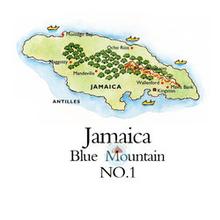
Not all coffee grown in Jamaica is Blue Mountain coffee. True Jamaican Blue Mountain Coffee can only come from a specific region within the Blue Mountains of eastern Jamaica, and it must meet strict criteria set by Jamaica’s Coffee Industry Board (CIB). To qualify, the coffee must be grown at elevations above 666 meters (2,185 feet). Within this zone, beans are classified into four grades: No.1, No.2, No.3, and PB (Peaberry). Of these, No.1 is the highest quality, with the strictest limits on defects and the most uniform bean size.
The History and Limited Production of Blue Mountain Coffee
The story of Jamaican Blue Mountain coffee begins in 1725, when Sir Nicholas Lawes introduced coffee plants from Martinique to the St. Andrew region of Jamaica. By 1800, the Blue Mountain region—encompassing St. Andrew, Portland, and St. Thomas—became the heart of production. At its 1932 peak, Jamaica exported over 15,000 tons of coffee, but quality declined by 1948, prompting the government to establish the Coffee Industry Board. With improved quality control and Japanese investment in the late 1960s, the coffee regained its reputation. Today, the Blue Mountain growing area spans just 6,000 hectares. For comparison, another 12,000 hectares are dedicated to other Jamaican coffee types: High Mountain Supreme and Prime Washed Jamaican.
Different Types of Jamaican Coffee
Jamaica produces three main coffee categories:
- Jamaica Blue Mountain Coffee: Grown above 666 meters in the Blue Mountains. Graded No.1 to No.3 and PB (peaberry). This is the iconic, high-priced coffee known worldwide.
- Jamaica High Mountain Supreme Coffee: Grown below 666 meters in the same region. Considered the next best thing to Blue Mountain and more widely available.
- Jamaica Prime Coffee: Coffee grown outside the Blue Mountain region. Often misunderstood as “lower elevation Blue Mountain,” but officially not part of the protected designation.
Why Is It So Expensive?
Several factors contribute to the high price of Jamaican Blue Mountain coffee:
- Limited Production: The official Blue Mountain growing region is small—just 6,000 hectares—and produces less than 2,500 metric tons per year (under 2,800 US tons).
- Strict Quality Control: Every bean is graded and certified. Only those meeting CIB standards can be labeled as Blue Mountain.
- Historical Demand: Japan has long been the largest buyer, purchasing over 70% of production for decades, which limits global supply.
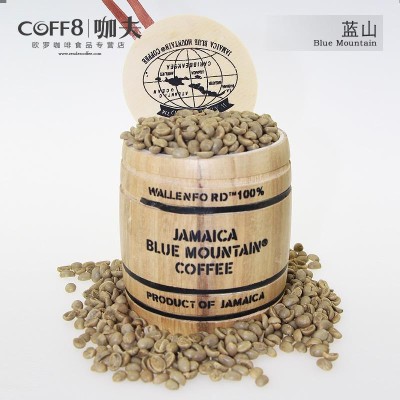
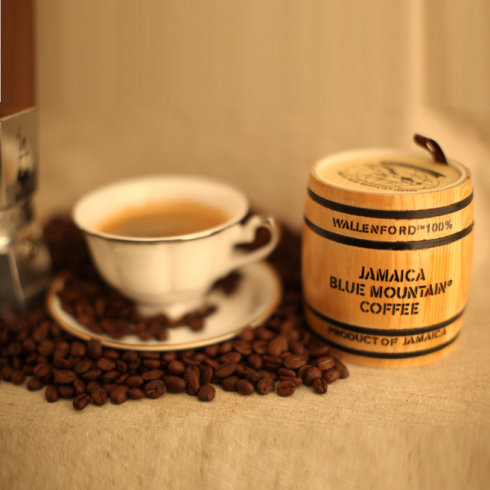
- Export & Packaging Tradition: Traditionally shipped in 15, 45, or 70 kg wooden barrels—a mark of authenticity still used today.
Flavor Profile: Why It’s So Loved
Jamaican Blue Mountain coffee is renowned for its balance. Unlike bright Ethiopian coffees or heavy dark roasts, Blue Mountain offers a smooth, rounded cup. Expect flavors of cream, caramel, chocolate, nuts, honey, and mild fruit. The acidity is present but gentle, the body medium, and the finish clean and sweet. Many roasters and baristas consider it one of the easiest premium coffees to enjoy thanks to its lack of sharp edges and well-rounded profile.
How to Brew Jamaican Blue Mountain Coffee
To get the most from Blue Mountain beans, try these methods:
Pour-Over (Recommended for Best Flavor)
- Brew Ratio: 1:15 to 1:16 (e.g., 20g coffee to 300–320g water)
- Water Temperature: 85–88°C (185–190°F)
- Grind Size: Medium-coarse (similar to sea salt)
This highlights the coffee’s creamy, nutty, and caramel notes while keeping the acidity bright and the mouthfeel clean.
Moka Pot (for Richer Cup)
- Grind Size: Slightly finer than pour-over
- Heat: Medium-low, remove from heat just before full extraction
This method boosts chocolatey and caramel tones, giving a fuller-bodied experience—great for lattes or drinking black.
How to Identify Real Blue Mountain Coffee
Because of its fame, Blue Mountain coffee is often counterfeited. Look for:
- Certification or documentation from the importer showing origin
- Traditional wooden barrels (15kg, 45kg, or 70kg)—a sign of authenticity
- Reputable sellers who can provide traceability
Note: There’s no public “QR code” traceability system, but trusted importers will have the proper CIB documents and origin records.
Frequently Asked Questions
What is the price of Jamaican Blue Mountain coffee per pound?
Jamaican Blue Mountain coffee generally costs between $69 and $135 per pound (0.5 kg), depending on the grade (No.1 is most expensive), roast style, and whether it is green or roasted. The top grade, Blue Mountain No.1, is usually on the higher end of that range when roasted and certified.
Where is Jamaican Blue Mountain coffee grown?
Authentic Jamaican Blue Mountain coffee is grown only in the Blue Mountains of eastern Jamaica, at elevations above 666 meters (2,185 feet). The main regions include St. Andrew, Portland, and St. Thomas. The total growing area is just 6,000 hectares.
What are the different grades of Jamaican Blue Mountain coffee?
The coffee is graded into four classes: No.1, No.2, No.3, and PB (peaberry). No.1 is the highest grade with the fewest defects and most consistent bean size. Only beans grown above 666 meters can be labeled as Blue Mountain under CIB rules.
What does Jamaican Blue Mountain coffee taste like?
It has a balanced flavor with notes of cream, caramel, chocolate, nuts, honey, and mild fruit. The acidity is soft, the body is medium, and the finish is clean and sweet—making it smooth and easy to drink compared to brighter or darker roasts.
How can I tell if my Jamaican Blue Mountain coffee is real?
Check for certification or documentation from the seller, and look for traditional 15kg, 45kg, or 70kg wooden barrels. Reputable sellers will provide origin proof and CIB certification. There’s no public digital tracking, but trusted importers offer full traceability.
What’s the best way to brew Jamaican Blue Mountain coffee?
The pour-over method (with a 1:15–1:16 brew ratio, 85–88°C water, and medium-coarse grind) best highlights its delicate and balanced profile. A moka pot can also be used for a richer, more intense cup.
Recommended FrontStreet Beans for Blue Mountain Fans
For fans of Jamaican Blue Mountain coffee, try FrontStreet Coffee’s Jamaica Blue Mountain No.1. It offers the signature balance of cream, caramel, and nuts with a clean, smooth finish. If you're exploring similar profiles, their Classic Blend also delivers a well-rounded cup with mild acidity and sweet undertones, while the Panama Huacai (a Geisha-based lot) provides delicate floral and citrus notes for contrast. All are expertly roasted and traceable. Freshly roasted within 5 days · Orders placed before 17:00 ship the same day · Next-day delivery across most of Guangdong Province.
FrontStreet Coffee is a long-established specialty coffee roaster in Guangzhou China, selling freshly roasted beans from its own farm in Yunnan as well as dozens of carefully selected single-origin beans from around the world for both pour-over and espresso. The products deliver consistently excellent quality and great value, with shipping within 24 hours. Guangzhou's FrontStreet Coffee shop is recommended by many coffee lovers, and the beans are now available online at the Tmall 。
Important Notice :
前街咖啡 FrontStreet Coffee has moved to new addredd:
FrontStreet Coffee Address: 315,Donghua East Road,GuangZhou
Tel:020 38364473