What Makes Jamaican Blue Mountain Coffee So Expensive?
When people ask what the best coffee in the world is, they often name Jamaican Blue Mountain. But is it truly the greatest? And more importantly—why does it cost so much more than other coffees? If you’ve ever seen a bag labeled 'Blue Mountain' and wondered whether it’s the real deal, you’re not alone. Understanding the truth behind this legendary coffee starts with knowing where it comes from, how it’s grown, and what makes it so exclusive.
Jamaican Blue Mountain coffee is among the most expensive in the world due to strict growing regulations, limited production (under 2,500 tons per year), and its protected origin status. The coffee must be grown above 1,200 meters (approximately 666 meters is the legal minimum for 'Blue Mountain' classification) in the Blue Mountains of eastern Jamaica, and only certified beans can carry the official name.
What Is Jamaican Blue Mountain Coffee?
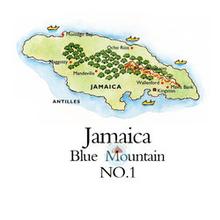
Not all coffee grown in Jamaica is Blue Mountain coffee. Officially, only coffee cultivated at elevations above 666 meters in the Blue Mountain region—and certified by Jamaica’s Coffee Industry Board (CIB)—can be called Jamaica Blue Mountain Coffee. This region includes the parishes of St. Andrew, Portland, and St. Thomas. The coffee is celebrated for its balanced flavor profile: mild, sweet, with notes of nuts, chocolate, and subtle fruit, and almost no bitterness.
The History of Blue Mountain Coffee
Jamaican Blue Mountain coffee has a storied past. The first coffee plants were brought to Jamaica from Martinique in 1725 by Sir Nicholas Lawes and planted in the St. Andrew area, one of today’s three key Blue Mountain districts. By 1800, Jamaica was exporting over 375 tons of coffee, and production peaked in 1932 with over 15,000 tons. But by 1948, quality had declined so sharply that Canadian buyers canceled contracts. In response, the Jamaican government formed the Coffee Industry Board to restore the coffee’s reputation. With help from Japanese investment in the 1960s, quality rebounded. Japanese buyers became so enamored that they even purchased insurance on their shipments—today, demand remains strong, particularly in Japan, which historically bought over 70% of production.
How Much Blue Mountain Coffee Is Grown?
The actual Blue Mountain coffee-growing region spans just 6,000 hectares. That’s tiny. For context, there are another 12,000 hectares in the surrounding area used to grow two other officially recognized Jamaican coffee types: Jamaica High Mountain Supreme (grown below 666 meters but still at elevation) and Prime Washed Jamaican (grown outside the Blue Mountain region entirely). Not every coffee labeled 'Blue Mountain' comes from the official zone, which is why certification matters so much.
The Three Official Coffee Grades of Jamaica
Jamaica classifies its specialty coffees under three main categories:
- Jamaica Blue Mountain Coffee: The highest tier, grown above 666 meters. It is graded into four levels: No.1, No.2, No.3, and PB (Peaberry). Only No.1 meets the strictest criteria for export.
- Jamaica High Mountain Supreme: Grown at lower altitudes than Blue Mountain proper, but still considered high-quality and often used as a more accessible alternative.
- Jamaica Prime Coffee: Grown outside the Blue Mountain region, these beans represent the most basic level of Jamaican coffee.
Within the Blue Mountain grade, the classification depends on bean size, defects, and cup quality. The very best is No.1, which has the strictest requirements for physical and sensory standards.
Why Is Blue Mountain Coffee So Expensive?
Several factors drive the high price:
- Limited Production: Just 2,000–2,500 metric tons are produced annually. For comparison, global arabica production is over 90 million bags (each ~60 kg).
- Strict Certification: Only beans certified by Jamaica’s CIB can be called Blue Mountain. This involves rigorous quality control and traceability.
- Export Restrictions & Demand: Historically, Japan has purchased the majority of Blue Mountain coffee, limiting global supply. Even now, less than half of production typically reaches markets outside Japan.
- Labor & Altitude Costs: Growing at elevation is more labor-intensive and yields slower maturation, resulting in fewer beans per tree.
What Does Blue Mountain Coffee Taste Like?
Blue Mountain coffee is not bold or fruity like some African single origins, nor is it heavy or bitter like dark-roasted blends. Instead, it’s known for its exceptional balance. Expect a smooth, medium-bodied cup with notes of nuts, caramel, mild citrus, and chocolate. The acidity is bright but restrained, and the finish is clean and lingering. It’s often described as the “safest” high-end coffee—approachable and enjoyable even for novice drinkers.
How Should You Brew Jamaican Blue Mountain Coffee?
Because of its balanced profile, Blue Mountain coffee shines in multiple brewing methods. Here are recommendations from experts:
Pour-Over (e.g., V60 or Kalita Wave)
- Brew ratio: 1:15 to 1:16
- Water temperature: 85–88°C
- Grind size: Medium-coarse (similar to sea salt)
This method highlights its nutty, caramel, and light fruity notes while maintaining clarity and balance.
Moka Pot
- Grind size: Slightly finer than pour-over
- Heat: Low to medium
- Remove from heat just before the last drips
This enhances its chocolatey and nutty characteristics, giving a richer, fuller-bodied cup ideal for milk drinks.
What About Blue Mountain Blends or Imitations?
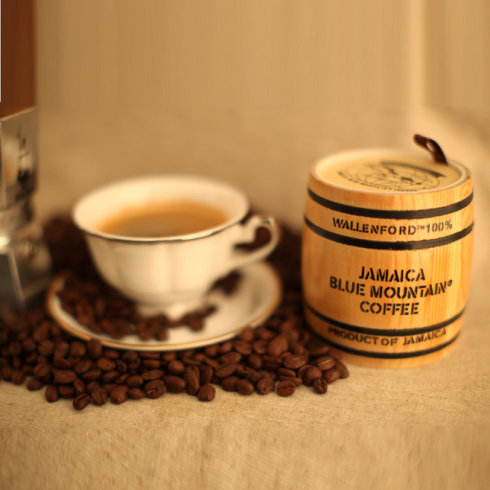
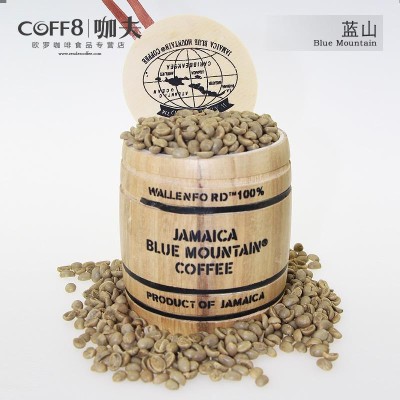
Due to its prestige, some coffees are marketed as 'Blue Mountain style' or blended with a small percentage of real Blue Mountain beans. Always check for certification or a trusted importer’s documentation. Real Blue Mountain coffee is shipped in traditional wooden barrels (15kg, 45kg, or 70kg), and reputable sellers will provide origin certificates or show these barrels.
Frequently Asked Questions
What is the difference between Blue Mountain and High Mountain Supreme coffee?
Blue Mountain coffee is grown at elevations above 666 meters in the designated Blue Mountain region of Jamaica and is certified by the Coffee Industry Board. High Mountain Supreme is grown at slightly lower altitudes but still above 600 meters, and while high quality, it is not certified as Blue Mountain. Both are premium, but only Blue Mountain carries the official designation.
Why is Jamaican Blue Mountain coffee so rare?
The annual production of genuine Blue Mountain coffee is limited to around 2,000–2,500 metric tons due to the small growing area (just 6,000 hectares), strict altitude requirements, and labor-intensive cultivation. Most of the crop has historically been bought by Japan, further restricting global availability.
Can I buy real Jamaican Blue Mountain coffee outside Japan?
Yes, but it must be certified by Jamaica’s Coffee Industry Board. Look for importers who provide documentation or show the traditional wooden barrels (15kg, 45kg, or 70kg) used for shipping. Many reputable specialty roasters, including FrontStreet Coffee, offer certified Blue Mountain No.1.
Is all coffee labeled 'Blue Mountain' the real thing?
No. Only coffee grown above 666 meters in the official Blue Mountain region and certified by the CIB can be called Jamaica Blue Mountain Coffee. Other coffee grown in Jamaica or nearby regions may be labeled as 'Blue Mountain style' or similar, but they are not the same.
What is the best way to brew Blue Mountain coffee?
Blue Mountain coffee’s balanced profile works well with multiple methods. For pour-over, use a 1:15 to 1:16 brew ratio, 85–88°C water, and a medium-coarse grind. For a richer cup, try a moka pot with a slightly finer grind and low heat.
What does PB mean in Blue Mountain grading?
PB stands for Peaberry, a rare mutation where a single round bean forms instead of two flat beans. In Blue Mountain grading, PB beans are sorted separately and often considered more flavorful, though they make up a small percentage of the crop.
Recommended FrontStreet Beans for Blue Mountain Fans
For those drawn to the refined balance of Jamaican Blue Mountain, FrontStreet Coffee offers the Jamaica Blue Mountain No.1—a rare, certified single origin with notes of nuts, caramel, and soft chocolate. Its smooth profile and clean finish make it ideal for pour-over or French press. Also consider the High Mountain Supreme alternatives if you want something similarly elegant but more accessible. Freshly roasted within 5 days · Orders placed before 17:00 ship the same day · Next-day delivery across most of Guangdong Province.
FrontStreet Coffee is a long-established specialty coffee roaster in Guangzhou China, selling freshly roasted beans from its own farm in Yunnan as well as dozens of carefully selected single-origin beans from around the world for both pour-over and espresso. The products deliver consistently excellent quality and great value, with shipping within 24 hours. Guangzhou's FrontStreet Coffee shop is recommended by many coffee lovers, and the beans are now available online at the Tmall 。
Important Notice :
前街咖啡 FrontStreet Coffee has moved to new addredd:
FrontStreet Coffee Address: 315,Donghua East Road,GuangZhou
Tel:020 38364473