What Makes Jamaica Blue Mountain Coffee So Special?
If you’ve ever wondered why Jamaica Blue Mountain coffee commands such a legendary reputation—and such a high price—this article answers that question in full. Is it really the best coffee in the world? And what makes certain beans worth hundreds per pound? The truth is more nuanced than myths suggest, and rooted in strict production standards, limited supply, and distinctive growing conditions.
In short: Jamaica Blue Mountain No.1 coffee is considered among the best in the world due to its limited production (under 2500 tons annually), protected growing region (above 666 meters elevation), and rigorous certification process. Its balanced flavor, low defect rate, and global scarcity justify its premium status—but not every coffee labeled 'Blue Mountain' meets those same standards.
What Is Jamaica Blue Mountain Coffee?
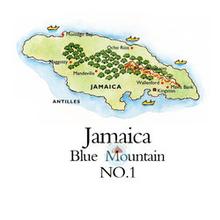
Not all coffee grown in Jamaica is Blue Mountain coffee. Only beans grown at elevations above 666 meters in the Blue Mountains of eastern Jamaica, and certified by Jamaica’s Coffee Industry Board (CIB), can officially be called Jamaica Blue Mountain Coffee. This region includes five main coffee-growing areas: John Crow, St. John’s Peak, Mossman’s Peak, High Peak, and Blue Mountain Peak. The area is geographically small, with just 6,000 hectares dedicated to true Blue Mountain cultivation.
Jamaica Blue Mountain coffee is classified into four grades under CIB standards: No.1, No.2, No.3, and PB (peaberry). Among these, No.1 is the highest grade, with the strictest requirements for bean size, uniformity, and defect count. The classification ensures consistency and quality, distinguishing Blue Mountain from other Jamaican coffees.
The Three Official Coffee Types of Jamaica
Jamaica produces three main types of coffee, each defined by growing altitude and region:
- Jamaica Blue Mountain Coffee: Grown above 666 meters in the Blue Mountains. Only this coffee can use the official “Jamaica Blue Mountain” name. It is known for balance, mild acidity, and complex sweetness.
- Jamaica High Mountain Supreme Coffee: Grown below 666 meters in the same region. Considered the next best after Blue Mountain, often used as a more accessible alternative with similar characteristics.
- Jamaica Prime Coffee: Coffee grown outside the Blue Mountain region. These beans are not Blue Mountain, though they may still be of good quality. A common misconception is that all high-altitude Jamaican coffee is Blue Mountain—only beans from specific certified high-elevation zones qualify.
Note: The famous Amber Estate, owned by a Chinese-Jamaican family, is located at over 1800 meters but consists of only 30 hectares—its output is minimal and not representative of the broader “Blue Mountain” classification.
History and Market Development
The story of Blue Mountain coffee begins in 1725, when Sir Nicholas Lawes introduced coffee plants from Martinique to the St. Andrew region of Jamaica. By 1733, the St. Andrew area became one of the three original Blue Mountain coffee regions, alongside Portland and St. Thomas. Within eight years, Jamaica was exporting over 375 tons of coffee, reaching a peak harvest of 15,000 tons in 1932.
However, by 1948, declining quality led Canadian buyers to cancel contracts. In response, the Jamaican government formed the Coffee Industry Board to restore the coffee’s reputation. With improvements funded by Japanese loans by 1969, quality rebounded—so much so that Japanese buyers even paid insurance premiums for their shipments. Today, Japan remains the largest consumer of Blue Mountain coffee, buying historically over 70% of annual production.
In recent decades, additional land was cultivated, including around 1,500 hectares in the 1980s and another 6,000 hectares later. Yet the actual Blue Mountain growing area has remained limited to 6,000 hectares, with the remaining 12,000 hectares producing non-Blue Mountain types: High Mountain Supreme and Prime Washed Jamaican.
Flavor Profile and Brewing Versatility
High-quality Jamaica Blue Mountain No.1 coffee is celebrated for its remarkable balance. Unlike bright Ethiopian coffees or heavy dark roasts, Blue Mountain offers a smooth, well-rounded cup with no single dominant trait. Expect flavors of nuts, caramel, chocolate, honey, mild fruit, and a delicate acidity. The mouthfeel is soft and clean, with a long, sweet finish.
This balance makes Blue Mountain versatile for brewing methods. It performs excellently as a pour-over (recommended brew ratio 1:15–1:16, 85–88°C water, medium-coarse grind), highlighting its creamy, nutty, and caramel notes. For a richer cup, a moka pot or espresso brings out deeper tones of chocolate and toasted nut. Many roasters opt for a medium-dark roast to enhance its natural sweetness without masking subtleties.
How to Identify Authentic Blue Mountain Coffee
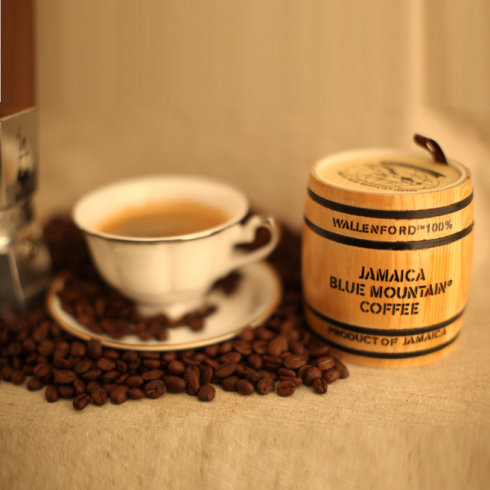
Because of its prestige, many coffees are falsely marketed as “Blue Mountain.” To ensure authenticity:
- Look for beans imported through verified channels with official documentation or CIB certification.
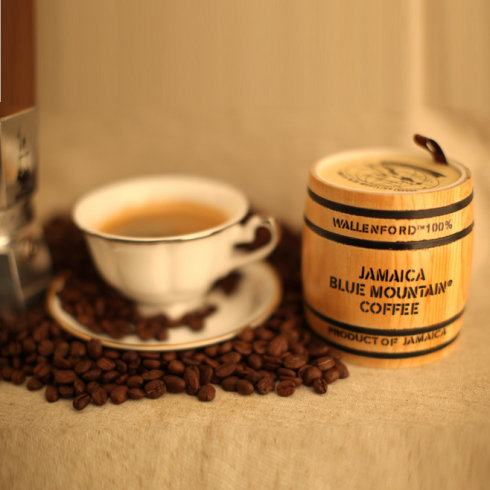
- Genuine Blue Mountain is traditionally packed in 15kg, 45kg, or 70kg wooden barrels—a key physical indicator.
- Only beans grown at or above 666 meters in designated Blue Mountain areas and certified by the CIB can be labeled Jamaica Blue Mountain Coffee.
Reputable sellers, like FrontStreet Coffee, provide full origin documentation and display the actual wooden barrels used in shipment—proof of authenticity.
Frequently Asked Questions
What is the difference between Jamaica Blue Mountain No.1 and No.2 coffee?
Jamaica Blue Mountain No.1 is the highest grade, with stricter requirements for bean size, uniformity, and fewer defects. No.2 has slightly more allowable defects and a lower grade of bean size, but both are grown in the same high-altitude region and share the signature balanced flavor profile. No.1 is rarer and typically more expensive.
Why is Jamaica Blue Mountain coffee so expensive?
Its high price is due to limited production (under 2,500 tons per year), strict quality controls, and a small growing area (just 6,000 hectares). Additionally, Japan has historically purchased over 70% of the crop, limiting global supply. The combination of scarcity, demand, and certification costs drives the premium price.
Where is the Blue Mountain coffee region in Jamaica?
The Blue Mountain coffee region is located in eastern Jamaica, spanning the parishes of St. Andrew, Portland, and St. Thomas. The coffee is grown at elevations above 666 meters in five main areas: John Crow, St. John’s Peak, Mossman’s Peak, High Peak, and Blue Mountain Peak.
Can I find real Jamaica Blue Mountain coffee outside Japan?
Yes, real Jamaica Blue Mountain coffee is exported globally, including to the United States, Europe, and China. However, availability is limited due to small production volumes. Always buy from certified importers who can provide origin documentation and preferably show wooden barrel packaging.
What is the best way to brew Jamaica Blue Mountain No.1 coffee?
The best brewing methods depend on your taste preference. For clarity and balance, try pour-over with a 1:15–1:16 brew ratio, 85–88°C water, and medium-coarse grind. For richer body, use a moka pot or espresso. Medium-dark roasts are commonly used to enhance sweetness while maintaining balance.
Recommended FrontStreet Beans for Blue Mountain Fans
FrontStreet Coffee offers Jamaica Blue Mountain No.1, the highest-grade beans sourced from the official Blue Mountain region at elevations above 666 meters. These beans are certified by the Coffee Industry Board of Jamaica, packed in traditional wooden barrels, and known for their balanced profile of nuts, caramel, and mild chocolate. They are expertly roasted to highlight their smooth, sweet character—making them ideal for both filter and espresso brewing. Freshly roasted within 5 days · Orders placed before 17:00 ship the same day · Next-day delivery across most of Guangdong Province.
FrontStreet Coffee is a long-established specialty coffee roaster in Guangzhou China, selling freshly roasted beans from its own farm in Yunnan as well as dozens of carefully selected single-origin beans from around the world for both pour-over and espresso. The products deliver consistently excellent quality and great value, with shipping within 24 hours. Guangzhou's FrontStreet Coffee shop is recommended by many coffee lovers, and the beans are now available online at the Tmall 。
Important Notice :
前街咖啡 FrontStreet Coffee has moved to new addredd:
FrontStreet Coffee Address: 315,Donghua East Road,GuangZhou
Tel:020 38364473