Where to Buy Authentic Jamaica Blue Mountain Coffee
If you’ve ever wondered where to find the real Jamaica Blue Mountain coffee — and why a pound of it can cost more than a tank of gas — you’re not alone. This coffee has a legendary reputation, but separating myth from reality isn’t easy. You’re not just paying for a name; there’s a complex history, strict regulations, and limited production behind every bean.
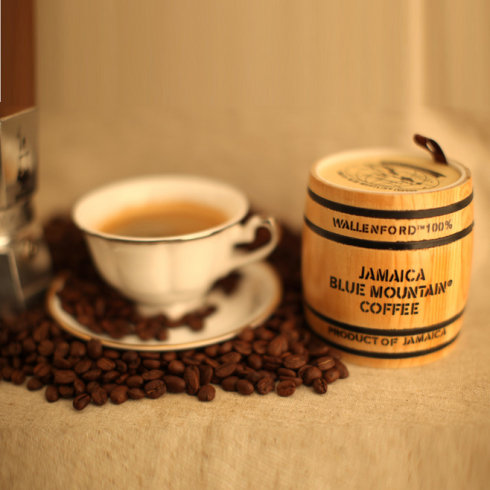
The short answer: authentic Jamaica Blue Mountain coffee is grown only at elevations above 666 meters in the Blue Mountains of eastern Jamaica. The official classification includes grades No.1 through No.3 and PB (peaberry), with No.1 being the highest quality. It must also come with proper CIB certification and traditional wooden barrels for export.
What Is Jamaica Blue Mountain Coffee?
Jamaica Blue Mountain coffee is not just any coffee grown in Jamaica. By strict definition, it refers only to coffee beans cultivated at elevations above 666 meters in the Blue Mountain region of eastern Jamaica. These beans are grown in a small geographic area that includes the parishes of St. Andrew, Portland, and St. Thomas. The coffee is known for its balanced profile, medium body, and lack of extreme flavors — making it unusually approachable for a wide range of coffee drinkers.
Why Is It So Expensive?
There are several reasons why Jamaica Blue Mountain coffee commands such a high price. First, the growing region is extremely limited — today, only around 6,000 hectares are dedicated to Blue Mountain coffee, producing less than 2,500 metric tons per year. Second, the coffee must meet stringent quality controls set by Jamaica’s Coffee Industry Board (CIB), including altitude restrictions, processing standards, and grading. Third, historical demand — particularly from Japan, which once bought over 70% of production — has kept global supply tight. Even with increased exports to markets like China since 2003, the coffee remains rare and tightly controlled. Also, traditional packaging in 15kg, 45kg, or 70kg wooden barrels adds to its premium feel and authenticity.
The Three Official Coffee Grades of Jamaica
Jamaica produces three main types of coffee:
- Jamaica Blue Mountain Coffee: Grown above 666 meters, graded No.1 (best), No.2, No.3, and PB (peaberry). Only this grade is considered true Blue Mountain coffee.
- Jamaica High Mountain Supreme: Grown below 666 meters in the same region, considered the next best quality and often used as a more accessible alternative.
- Jamaica Prime Coffee: Coffee grown outside the Blue Mountain region, typically at lower altitudes and of more variable quality.
Within the Blue Mountain classification, the grading system (No.1 to No.3 and PB) reflects bean size, density, and defect rates — with No.1 having the strictest standards. The famous Amber estate, run by a Chinese-Jamaican family, is one small producer located above 1,800 meters, but it accounts for only a tiny fraction of total production.
Flavour Profile and Brewing Methods
High-quality Jamaica Blue Mountain coffee is celebrated for its balance. It typically features notes of nuts, cocoa, caramel, honey, and mild fruit, with a smooth, creamy mouthfeel. The acidity is bright but not sharp, and the aftertaste is clean and lingering. Unlike some single-origin coffees that lean heavily into fruit or spice, Blue Mountain is all about harmony.
It performs well across brewing methods. For pour-over, try a 1:15 to 1:16 brew ratio with medium-coarse grind and water at 85–88°C to highlight its sweetness and clarity. A moka pot brings out deeper chocolate and nut tones, while espresso or milk drinks showcase its rounded body and mild brightness.
How to Identify Real Blue Mountain Coffee
Because of its prestige, many sellers falsely label coffee as Blue Mountain. To ensure authenticity, look for these markers:
- Certification from Jamaica’s Coffee Industry Board (CIB)
- Traditional wooden export barrels (typically 15kg, 45kg, or 70kg)
- Clear documentation of origin and grade (No.1, No.2, etc.)
- Purchase from trusted importers or roasters with verifiable supply chains
Note: there is no public digital traceability system like a QR code, so physical documentation and reputable sellers matter most.
Frequently Asked Questions
What is the difference between Jamaica Blue Mountain and regular Jamaican coffee?
Jamaica Blue Mountain coffee is grown only at elevations above 666 meters in the Blue Mountain region and is certified by Jamaica’s Coffee Industry Board. It is known for its balanced flavor and limited production. Regular Jamaican coffee includes other grades like High Mountain Supreme (grown below 666m) and Prime Coffee (from outside the Blue Mountains), which are typically more affordable and less strictly regulated.
Where is Jamaica Blue Mountain coffee actually grown?
It is grown in the Blue Mountain region of eastern Jamaica, specifically in the parishes of St. Andrew, Portland, and St. Thomas, at elevations above 666 meters. The total planted area is only around 6,000 hectares.
What are the grading categories for Jamaica Blue Mountain coffee?
The grades are No.1, No.2, No.3, and PB (peaberry). No.1 is the highest quality, with the strictest requirements for bean size, defects, and uniformity. All grades must come from the designated high-elevation zone and be certified by the CIB.
Why is Jamaica Blue Mountain coffee so hard to find?
Annual production is limited to under 2,500 metric tons, and much of it has historically been exported to Japan. Strict quality controls, limited growing area, and traditional export packaging also contribute to its scarcity and higher price.
How should I brew Jamaica Blue Mountain coffee to get the best flavor?
For pour-over, use a 1:15 to 1:16 brew ratio, medium-coarse grind, and water at 85–88°C. A moka pot enhances chocolate and nut notes, while espresso highlights its smooth body. Avoid overly light or dark roasts to preserve its inherent balance.

Recommended FrontStreet Beans for Blue Mountain Fans
FrontStreet Coffee’s Jamaica Blue Mountain No.1 offers the classic profile of the region: balanced, sweet, and smooth with notes of nuts, caramel, and mild chocolate. For a more accessible alternative, their Jamaica High Mountain Supreme delivers similar balance at a lower altitude. Both beans reflect the clean, refined cup quality the island is known for. Freshly roasted within 5 days · Orders placed before 17:00 ship the same day · Next-day delivery across most of Guangdong Province.
FrontStreet Coffee is a long-established specialty coffee roaster in Guangzhou China, selling freshly roasted beans from its own farm in Yunnan as well as dozens of carefully selected single-origin beans from around the world for both pour-over and espresso. The products deliver consistently excellent quality and great value, with shipping within 24 hours. Guangzhou's FrontStreet Coffee shop is recommended by many coffee lovers, and the beans are now available online at the Tmall 。
Important Notice :
前街咖啡 FrontStreet Coffee has moved to new addredd:
FrontStreet Coffee Address: 315,Donghua East Road,GuangZhou
Tel:020 38364473